AI Image
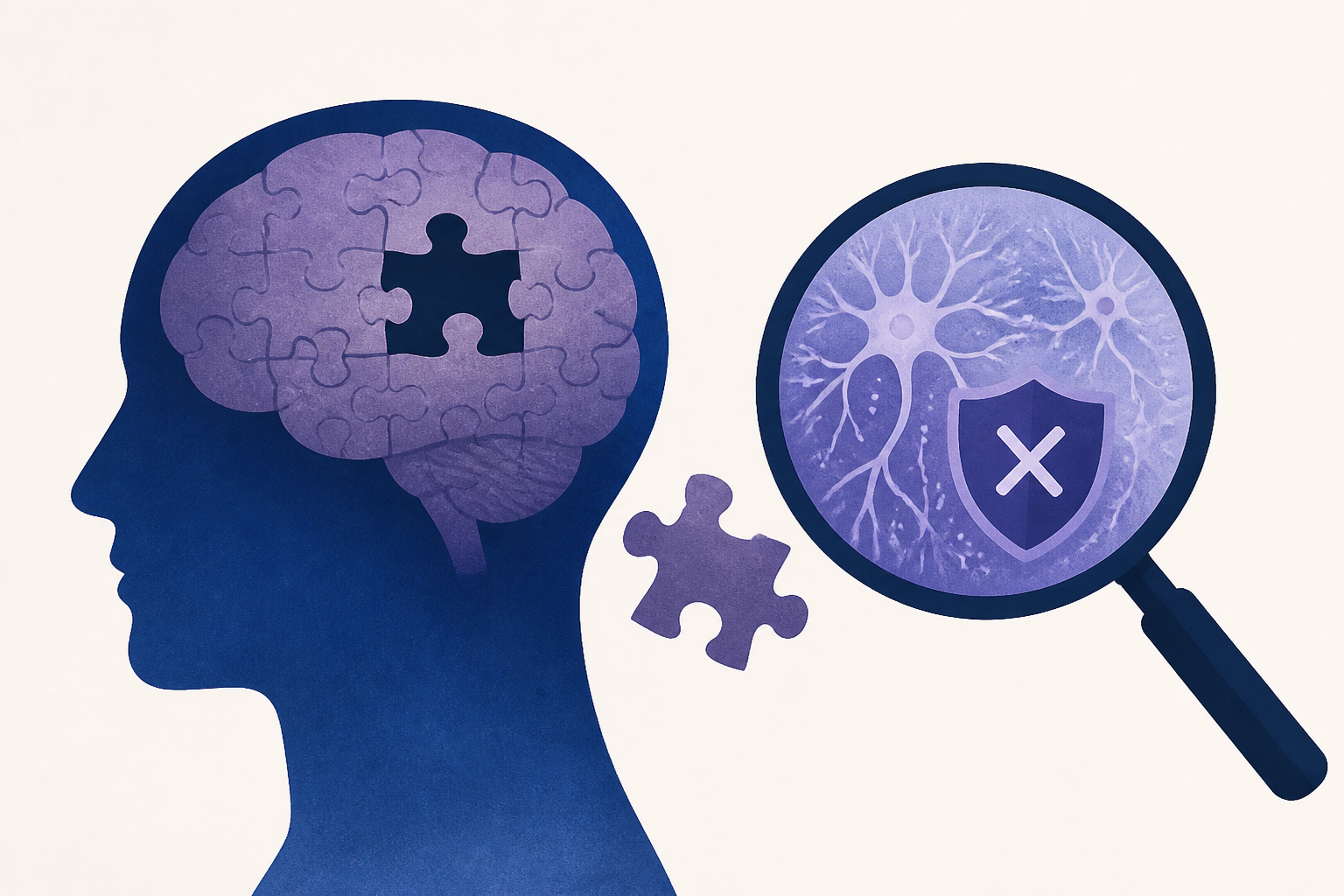
Scientists may have finally figured out why the body fails to heal Alzheimer’s by itself
currently.att.yahoo.com • • health
Key Points:
- New research suggests that damage to bone marrow in Alzheimer's disease may impair the immune system's ability to restore brain health, shifting focus from brain-specific pathology to systemic effects.
- The study found that monocyte development in bone marrow is disrupted in both mouse models and human Alzheimer's patients, limiting the supply of immune cells needed to combat brain damage.
- Alzheimer's disease appears to exhaust the self-renewal capacity of bone marrow stem cells, causing accelerated aging of the blood system and impairing immune cell replenishment.
- Targeted therapy restoring monocyte production in mice improved disease pathology and enhanced immune cell migration to the brain, indicating potential for new treatment approaches.
- Researchers emphasize that while findings highlight Alzheimer's as a systemic condition, further studies are necessary to confirm these results and develop human therapies.


