Scientists open a million-year-old time capsule beneath New Zealand
ScienceDaily • • science
Key Points:
- Fossils from 12 bird species and four frog species discovered in New Zealand reveal ecosystems shaped by climate shifts and volcanic eruptions long before human arrival, indicating repeated extinctions and species emergence.
- Research led by Flinders University and Canterbury Museum estimates that 33-50% of species disappeared in the million years preceding human settlement, driven by rapid environmental changes and cataclysmic volcanic activity.
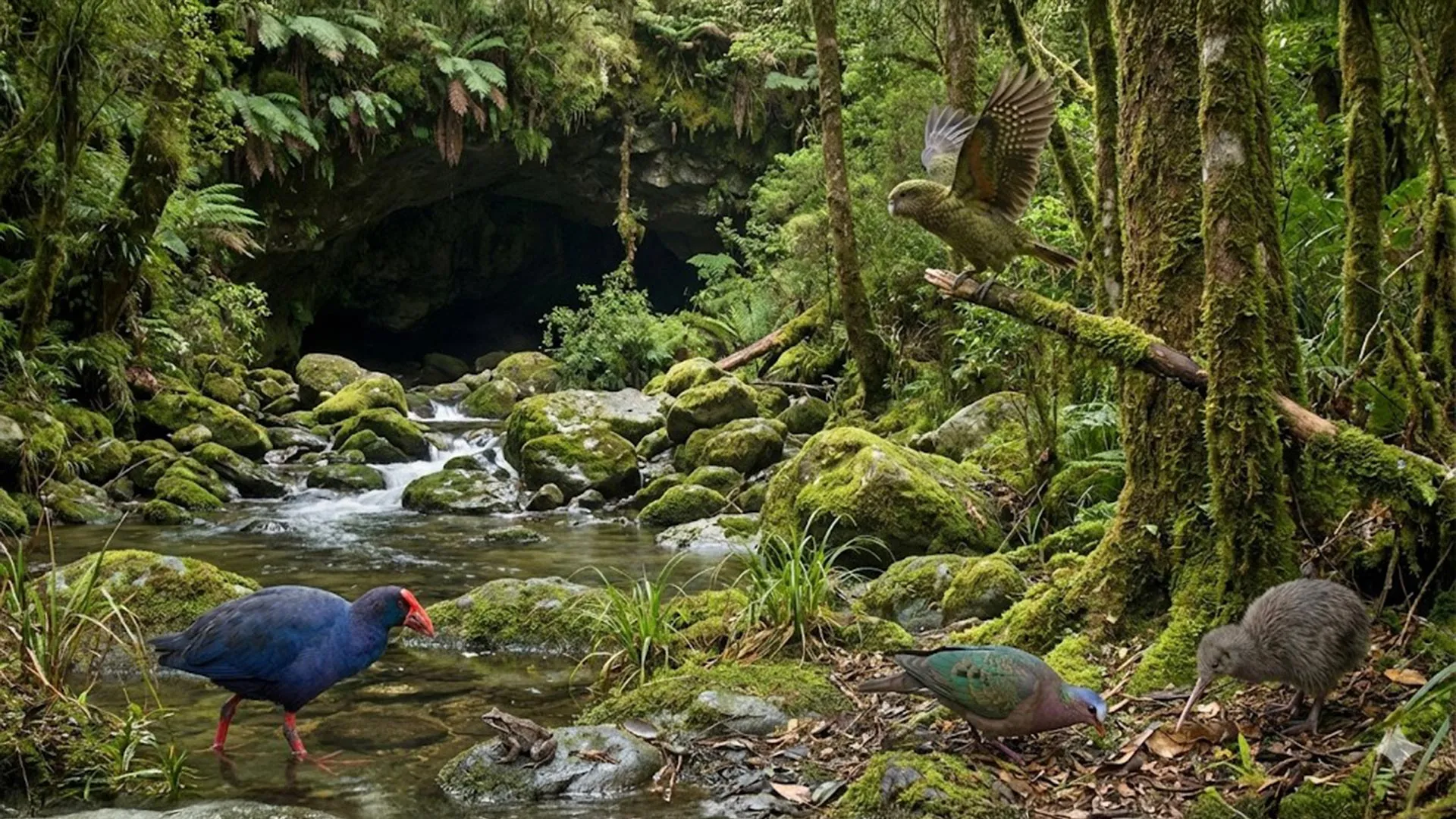
- Among the findings is a newly identified ancient parrot species, Strigops insulaborealis, a relative of the modern kākāpō that may have been capable of flight, alongside extinct ancestors of the takahē and a pigeon species related to Australian bronzewings.
- Fossils were dated using volcanic ash layers from eruptions 1.55 million and 1 million years ago, making the cave the oldest known in New Zealand's North Island and providing a rare, well-preserved snapshot of ancient biodiversity.
- The discovery fills a significant gap in New Zealand's natural history, showing that natural forces shaped its wildlife long before humans arrived, challenging the view that extinctions primarily began with human colonization 750 years ago.


