AI Image
Scientists Reversed 60 Years of Cellular Aging. Can It Work in Humans?
Yahoo • • science
Key Points:
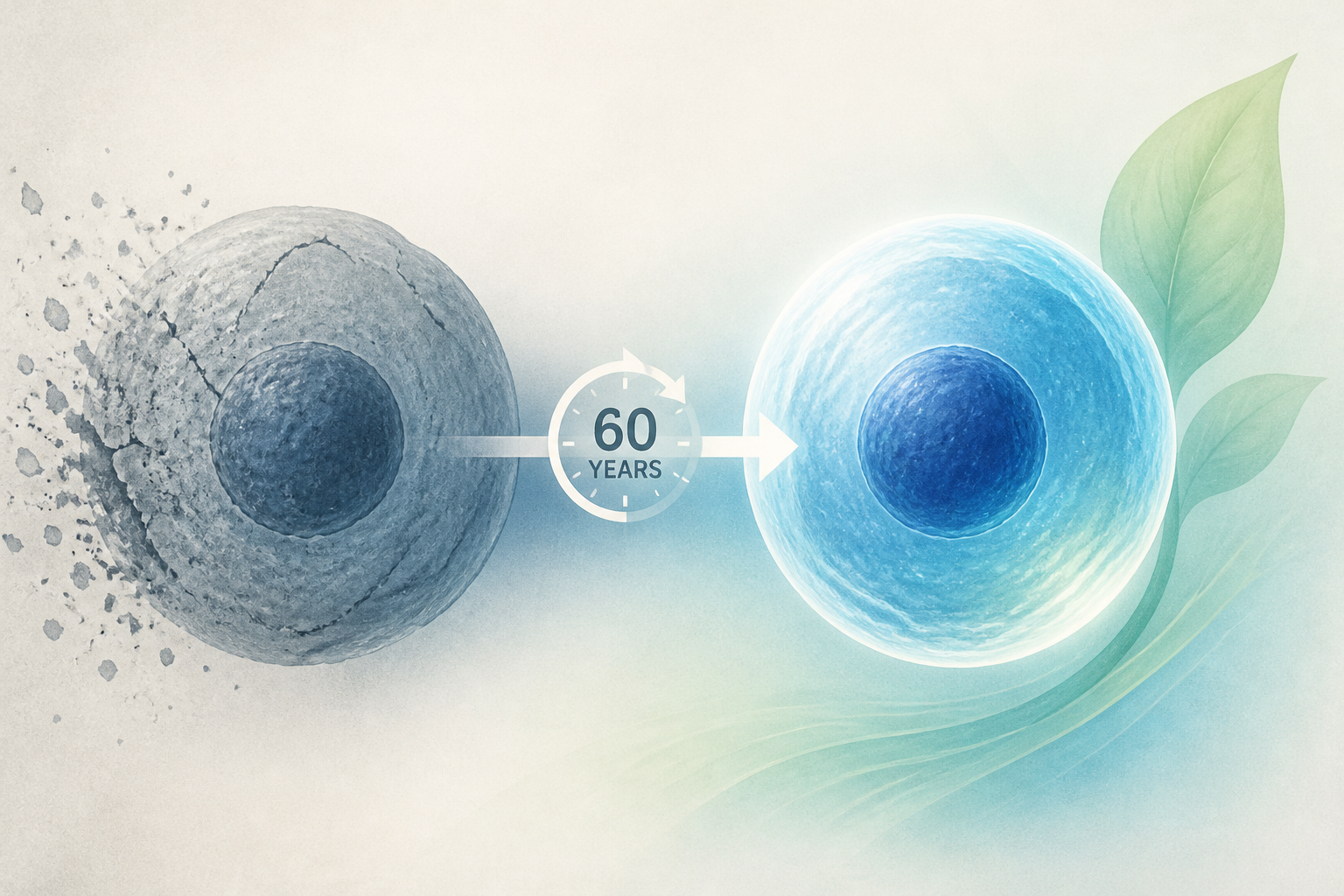
- Scientists at the University of Bonn successfully reversed the molecular age of blood cells from an 80-year-old to appear younger than 20 by converting them directly into neural stem cells, demonstrating gradual cellular rejuvenation over 100 days.
- This method allows researchers to observe and potentially control the aging reversal process, offering new insights into age-related diseases like Alzheimer's, though its safety and effectiveness in humans remain unproven.
- In parallel, Life Biosciences initiated the first human trial of ER-100, an experimental treatment aimed at rejuvenating eye cells in glaucoma patients, showing early signs of vision improvement in a small safety study.
- The longevity biotech sector is rapidly growing, attracting record investments totaling over $30 billion from 2024 to 2026, with major players like NewLimit, Retro Biosciences, and Altos Labs pursuing various anti-aging therapies.
- While laboratory breakthroughs like the Bonn study demonstrate promising molecular age reversal, the critical challenge ahead is translating these findings into safe, effective treatments that extend healthy human lifespan.


