AI Image
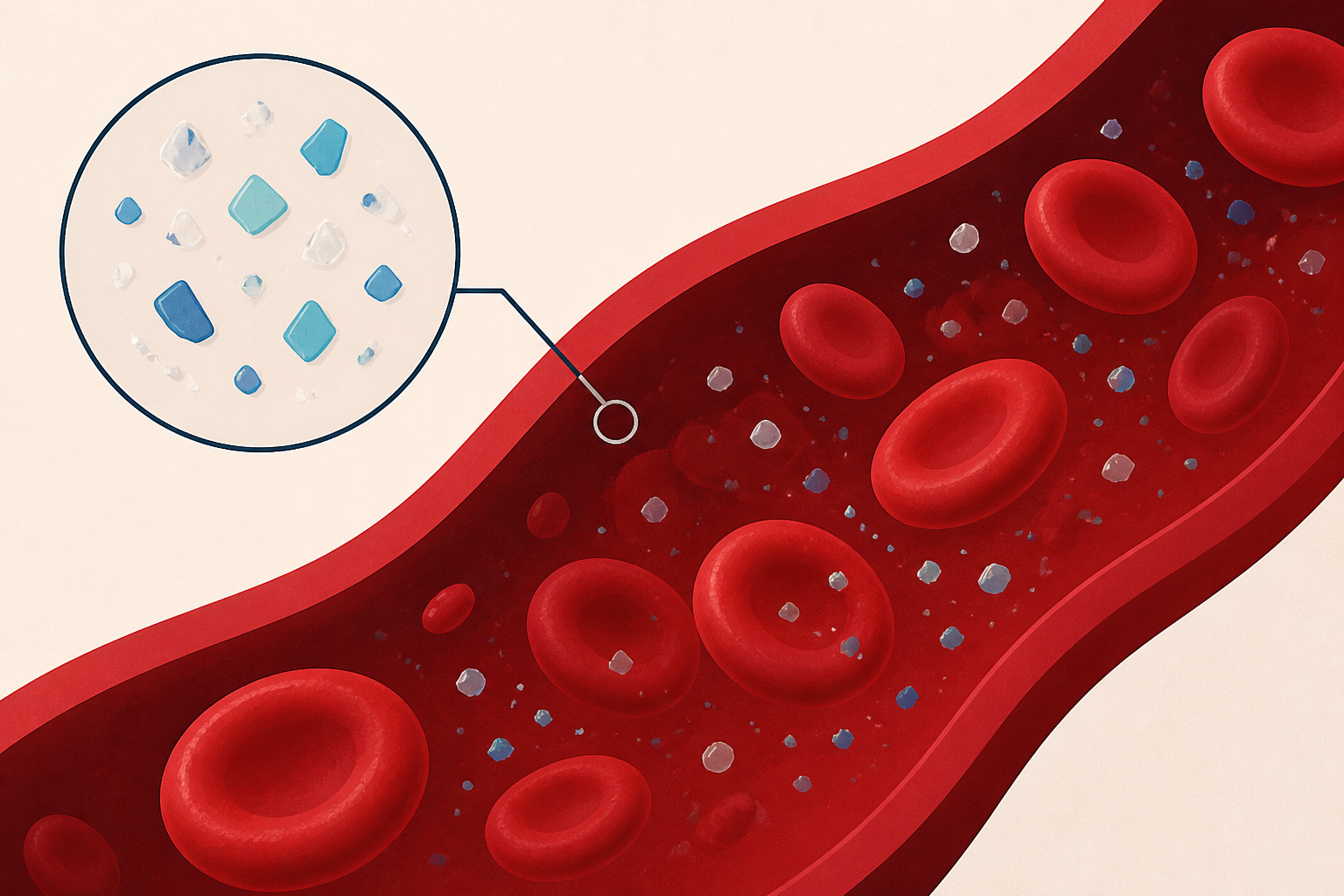
Scientists Show What Happens When Microplastics Meet Blood
Newser • • health
Key Points:
- Columbia University researchers discovered that microplastics can chemically generate reactive oxygen species (ROS), which are high-energy molecules known to damage DNA, proteins, and cell membranes, contributing to diseases like cancer and heart disease.
- The study found that pristine microplastics from common materials such as polystyrene, polyethylene, and PET triggered ROS production not only in water but also in mouse blood, indicating a direct pathway to oxidative stress and inflammation in living organisms.
- The increased surface area of microplastics as they fragment amplifies these harmful chemical reactions, potentially causing widespread cellular damage since human cells are largely composed of water.
- Scientists warn that due to the persistence of plastics, microplastic particles could accumulate in the human body faster than natural defenses can counteract their damaging effects, raising concerns about long-term health impacts.


