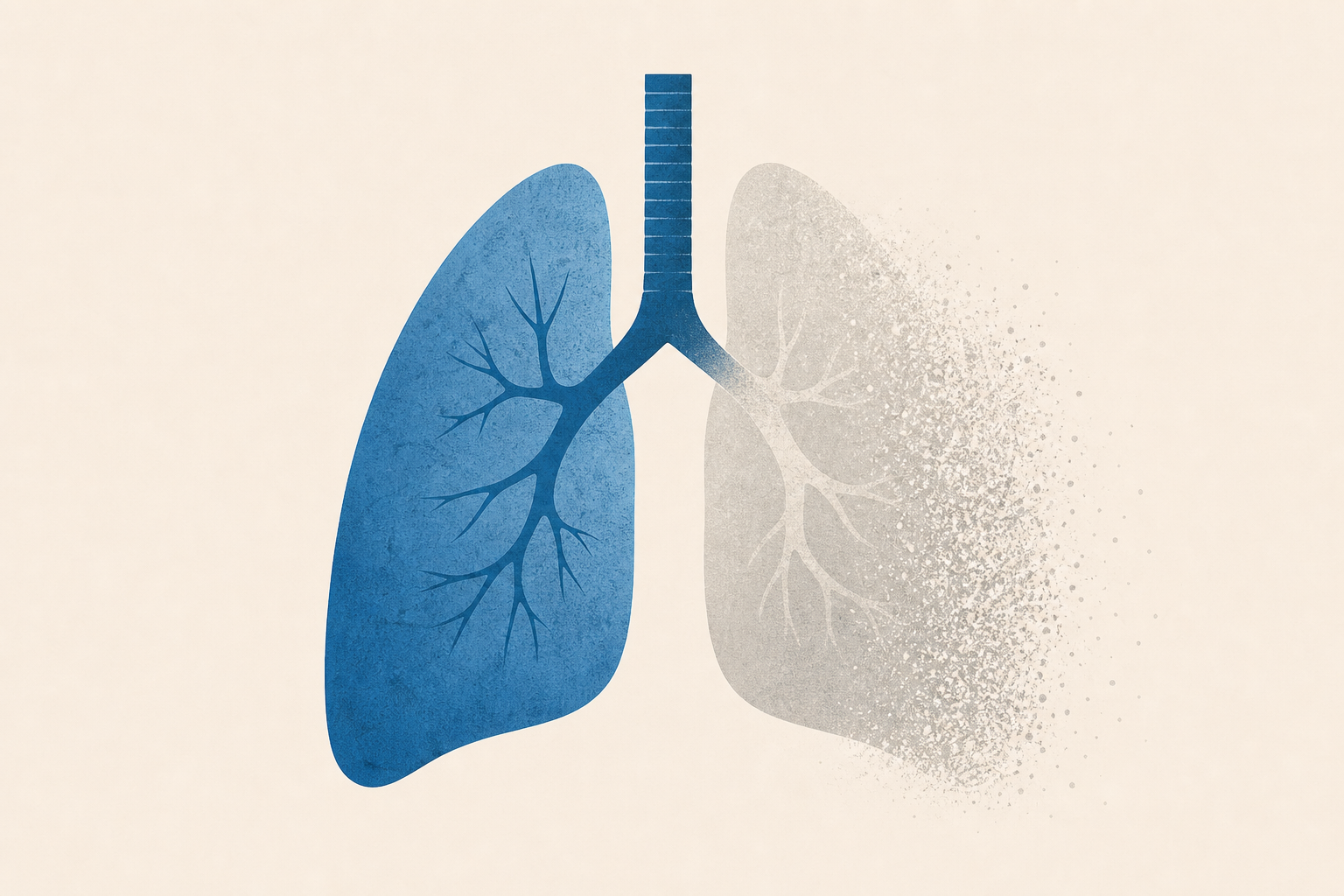
AI Generated Image
Scientists Studied the Lungs of Ex
Newsweek • • health
Key Points:
- New research from McGill University reveals that while some lung damage from smoking is reversible, other changes persist long after quitting, explaining why ex-smokers remain at higher risk for smoking-related illnesses.
- The study analyzed molecular activity in over 100,000 lung cells from non-smokers, former smokers, and current smokers, finding that certain lung cells retain lasting genetic changes affecting tissue structure, immune function, and blood vessel health.
- Some former smokers exhibited unique molecular patterns not seen in active smokers or non-smokers, suggesting that quitting smoking leaves a distinct biological signature on the lungs.
- Researchers emphasize that understanding which lung damage is permanent versus reversible is crucial for developing treatments to help lungs heal and reduce the risk of diseases like lung cancer and COPD in former smokers.
- The next research step aims to uncover why some lung cells fail to fully recover post-quitting, potentially leading to new therapeutic strategies to mitigate long-term smoking damage.


