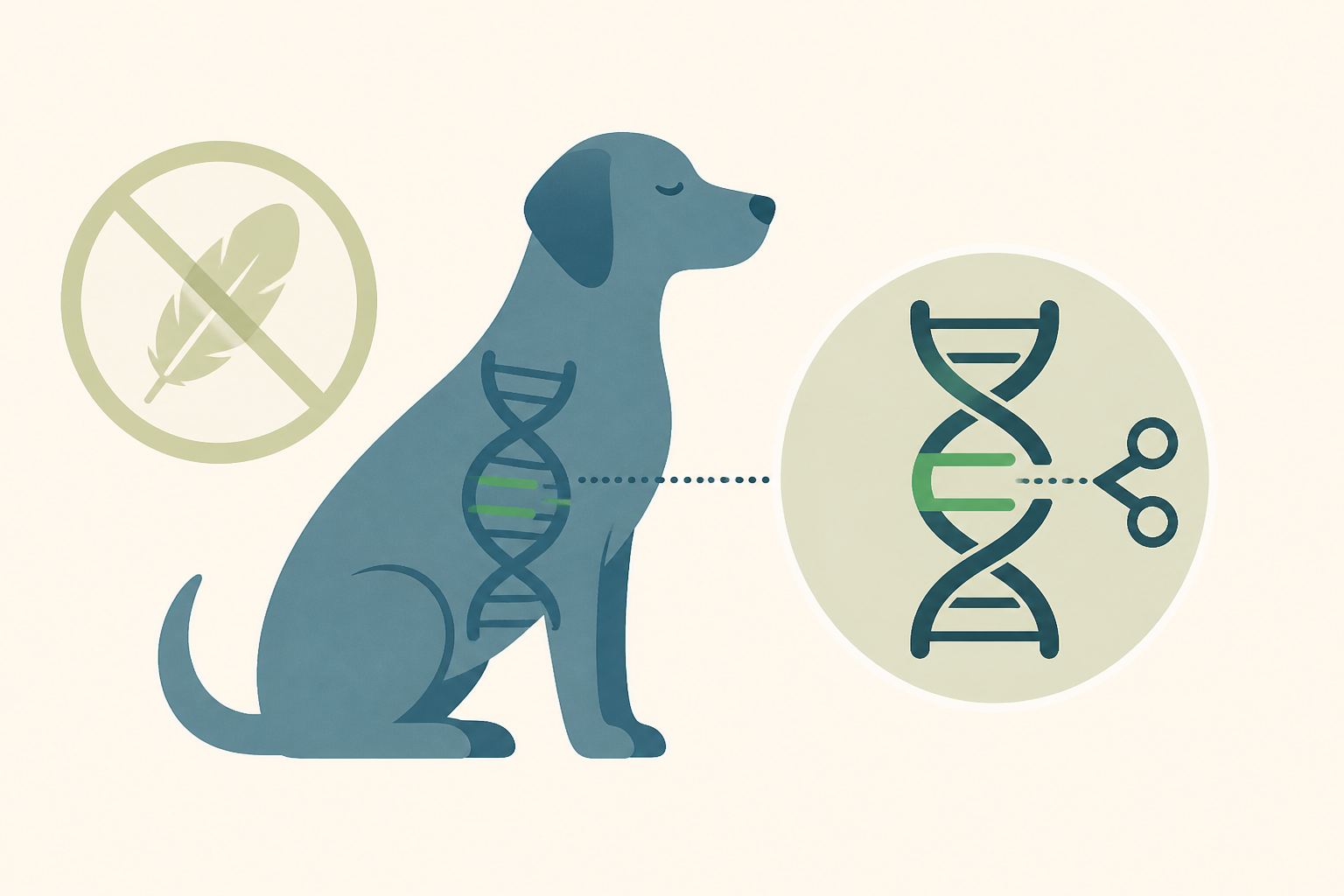
AI Generated Image
Scientists use gene editing to create hypoallergenic dogs
apnews.com • • general
Key Points:
- Scientists used CRISPR gene editing to create hypoallergenic beagles, Bailey and Alfie, by switching off the gene responsible for producing allergy-causing proteins in their saliva and fur.
- This breakthrough allows people with dog allergies, like geneticist Matt Walker, to interact with dogs without allergic reactions, though the approach requires further testing for safety and effectiveness in a broader population.
- The gene-edited beagles were born healthy after the edited genetic code was transferred into beagle surrogates, marking the first successful application of this technique in dogs.
- Experts caution that while this innovation could enable more people to own pets, it may discourage adoption of shelter and rescue animals, and the long-term health effects on gene-edited dogs remain under observation.
- Kindred Companion Sciences plans to expand testing to other dog breeds and service animals, aiming to develop a line of allergy-free dogs, but commercialization and affordability challenges remain before widespread availability.


