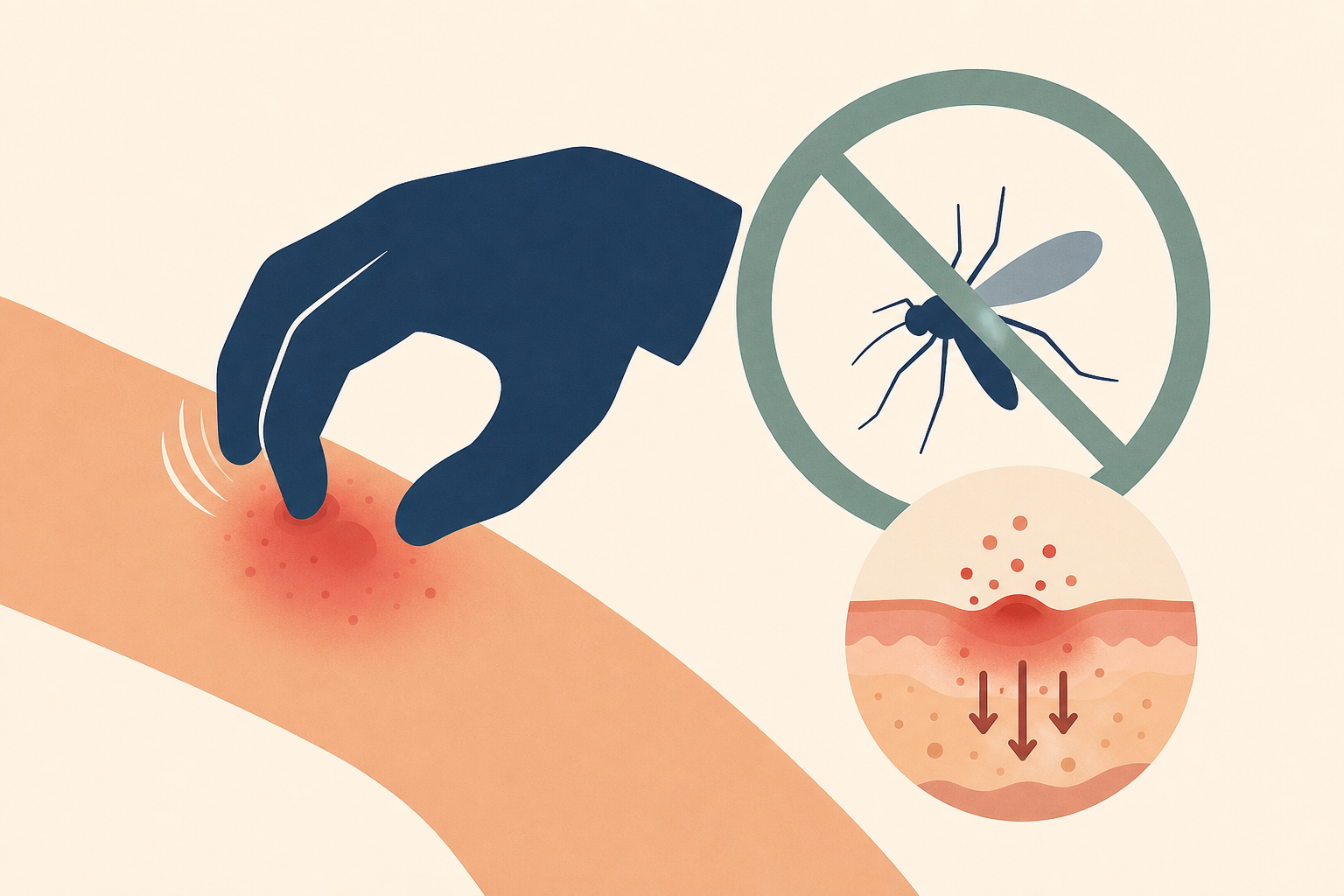
AI Generated Image
Scratching that bug bite might feel good at first, but science explains why it's a bad idea
KSL News • • health
Key Points:
- Scratching an itch, while initially relieving, can worsen inflammation and swelling by activating immune cells called mast cells through pain-sensing nerve signals, creating a harmful itch-and-scratch cycle.
- Research using mice with "cones of shame" showed that preventing scratching reduced rash severity and immune cell infiltration, confirming that scratching exacerbates skin irritation.
- Scratching may have an evolutionary role in helping to reduce certain skin bacteria like Staphylococcus aureus, but this benefit is outweighed by the overall damage scratching causes to the skin.
- Current treatments for itch include antihistamines, anti-itch balms like hydrocortisone and calamine, and menthol creams that temporarily override itch sensation, with ongoing research into drugs targeting specific molecular pathways involved in itch and inflammation.
- Experts advise avoiding scratching despite its temporary relief, emphasizing the need for better therapies to manage chronic and allergic skin conditions effectively.


