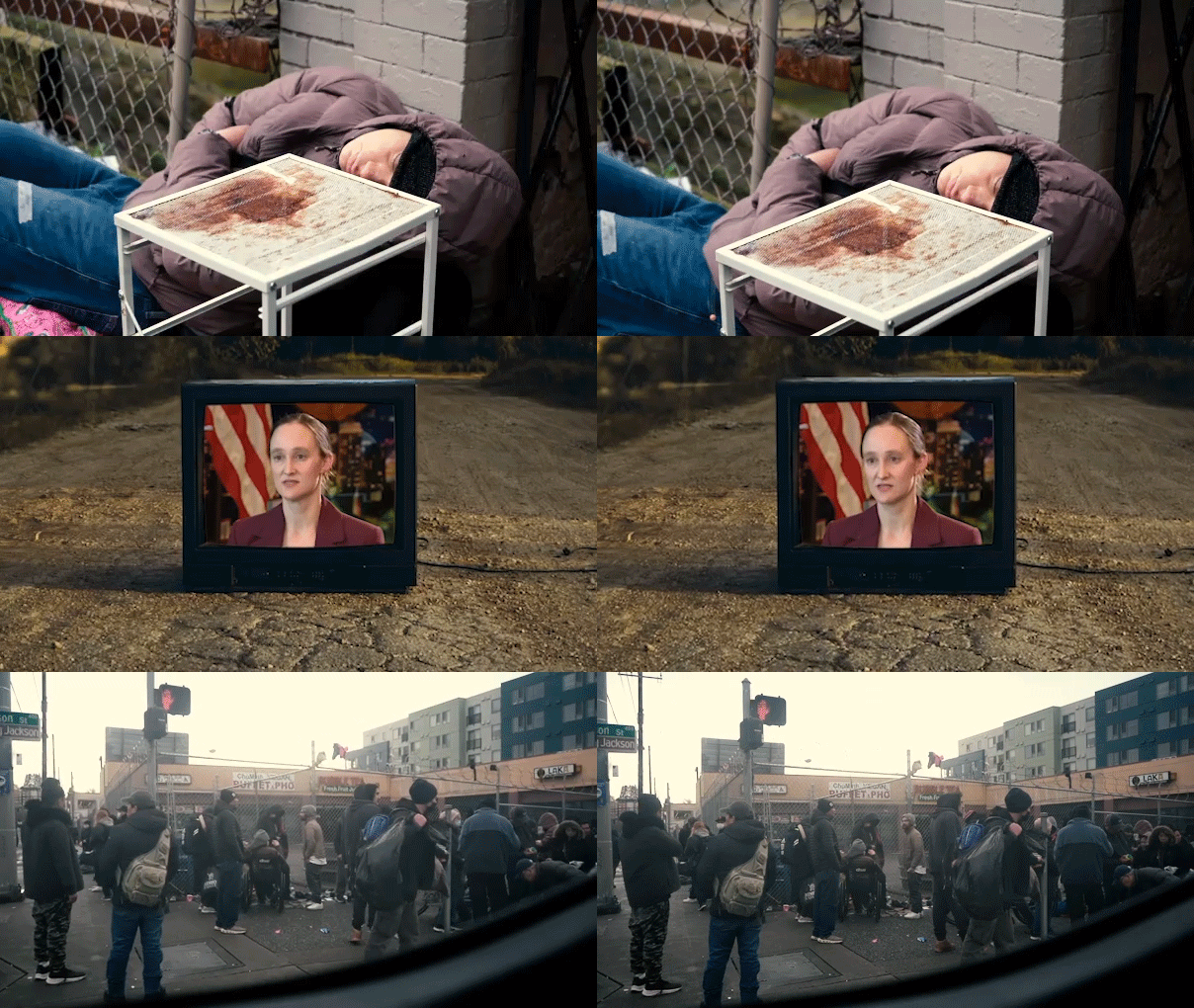
Seattle spends $154M on homelessness as drug use spreads, advocates say
Fox News • • nation
Key Points:
- Seattle is facing a worsening crisis of homelessness and open-air drug use, with advocates like Andrea Suarez highlighting widespread drug paraphernalia and overdoses in public parks and spaces.
- The city government, under socialist Mayor Katie Wilson, is investing heavily in homelessness services, including funding for tiny homes and harm-reduction programs, but critics argue these efforts lack accountability and enable ongoing addiction.
- Local conservatives and some residents criticize the current approach as ineffective, pointing to high salaries in nonprofit organizations and a lack of enforcement, while supporters emphasize compassion and increased funding as necessary solutions.
- Seattle City Council recently approved additional funding and expanded authority to increase shelter capacity, aligning with Wilson's goal to reduce unsheltered homelessness through long-term housing rather than displacement.
- Public health officials report a 32% decrease in fatal overdoses over two years but deny claims that overdose reversal information is broadly distributed for pets, emphasizing ongoing efforts to address opioid addiction and overdose prevention.


