AI Generated Image
Severe COVID-19 linked to reactivation of some dormant viruses, study finds
Yahoo • • health
Key Points:
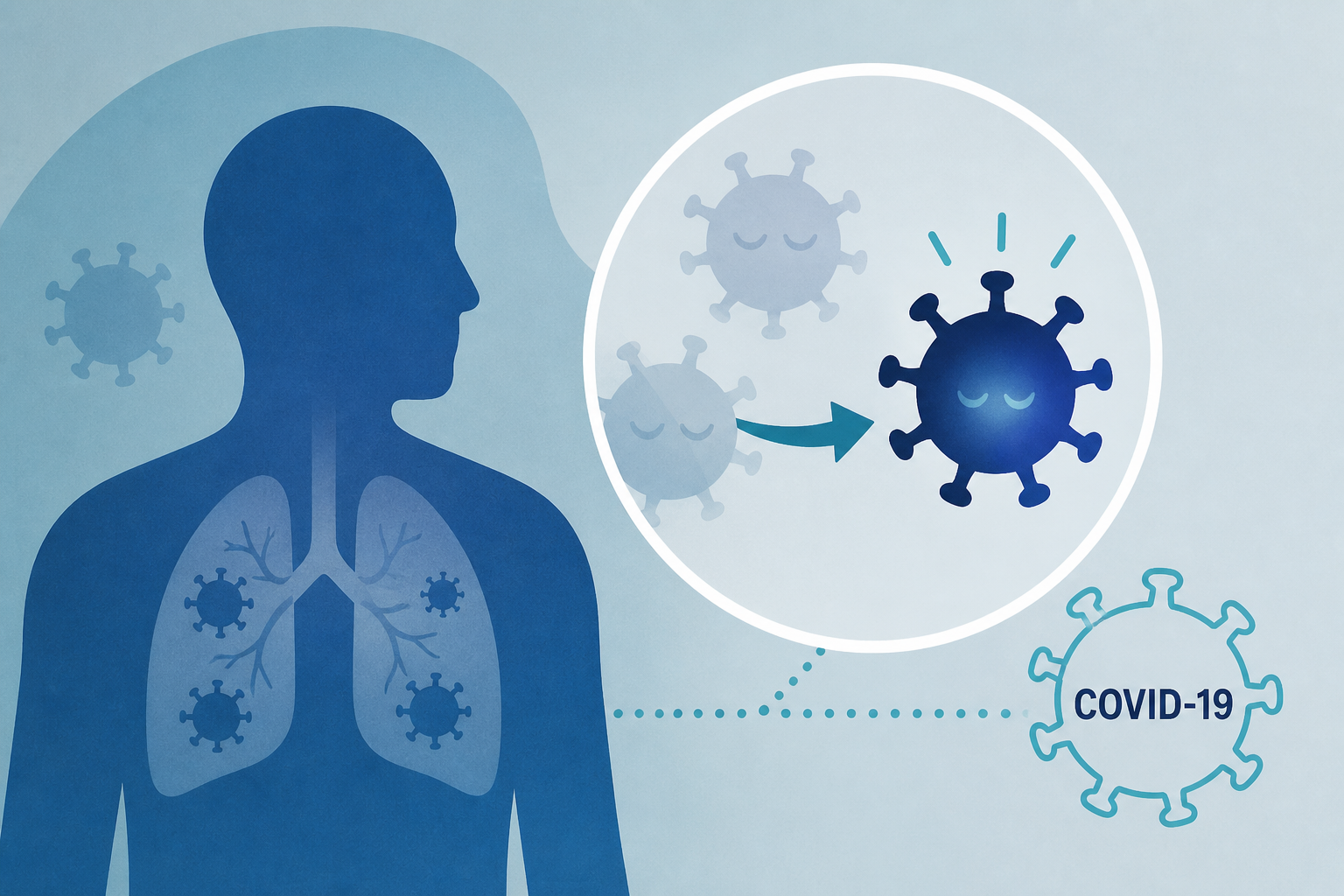
- A study led by Boston Children's Hospital and collaborators analyzed over 1,154 hospitalized COVID-19 patients and found that severe COVID-19 can reactivate 11 different dormant viruses, including several herpes viruses and Anelloviridae, within 40 days of hospital admission.
- Reactivation of Anelloviridae was linked to long-term physical disability and long COVID, while Epstein-Barr virus and cytomegalovirus reactivated due to inflammation rather than immune suppression, suggesting a new mechanism of viral reactivation during severe illness.
- The study highlights a potential association between viral reactivation and COVID-19 severity and outcomes but does not establish causation between reactivated viruses and long COVID or long-term disability.
- Researchers emphasize the need for further studies to understand the role of these reactivated viruses, particularly anelloviruses, and to develop better diagnostic tools and treatments for long COVID.
- The findings apply only to hospitalized patients with severe COVID-19, and experts caution that more research is required to determine the clinical significance of viral reactivation in COVID-19.


