AI Generated Image
Short-chain fatty acids
Nature • • health
Key Points:
- Short-chain fatty acids (SCFAs) such as acetate, propionate, and butyrate, produced by gut microbiota fermentation of dietary fibers, play crucial roles in regulating host metabolism, immune function, and gut health through multiple mechanisms including activation of G protein-coupled receptors (GPCRs) like GPR41 (FFAR3) and GPR43 (FFAR2).
- SCFAs influence energy homeostasis by stimulating hepatic gluconeogenesis, adipogenesis, and lipid oxidation, modulating appetite via gut hormone secretion (e.g., GLP-1, PYY), and promoting brown adipose tissue activity, thereby impacting obesity, insulin sensitivity, and metabolic diseases such as non-alcoholic fatty liver disease.
- Beyond metabolic effects, SCFAs regulate immune responses by modulating macrophage polarization, dendritic cell function, and T cell differentiation, often through histone deacetylase inhibition and epigenetic reprogramming, which contributes to their anti-inflammatory properties and potential therapeutic roles in inflammatory bowel disease and neuroinflammation.
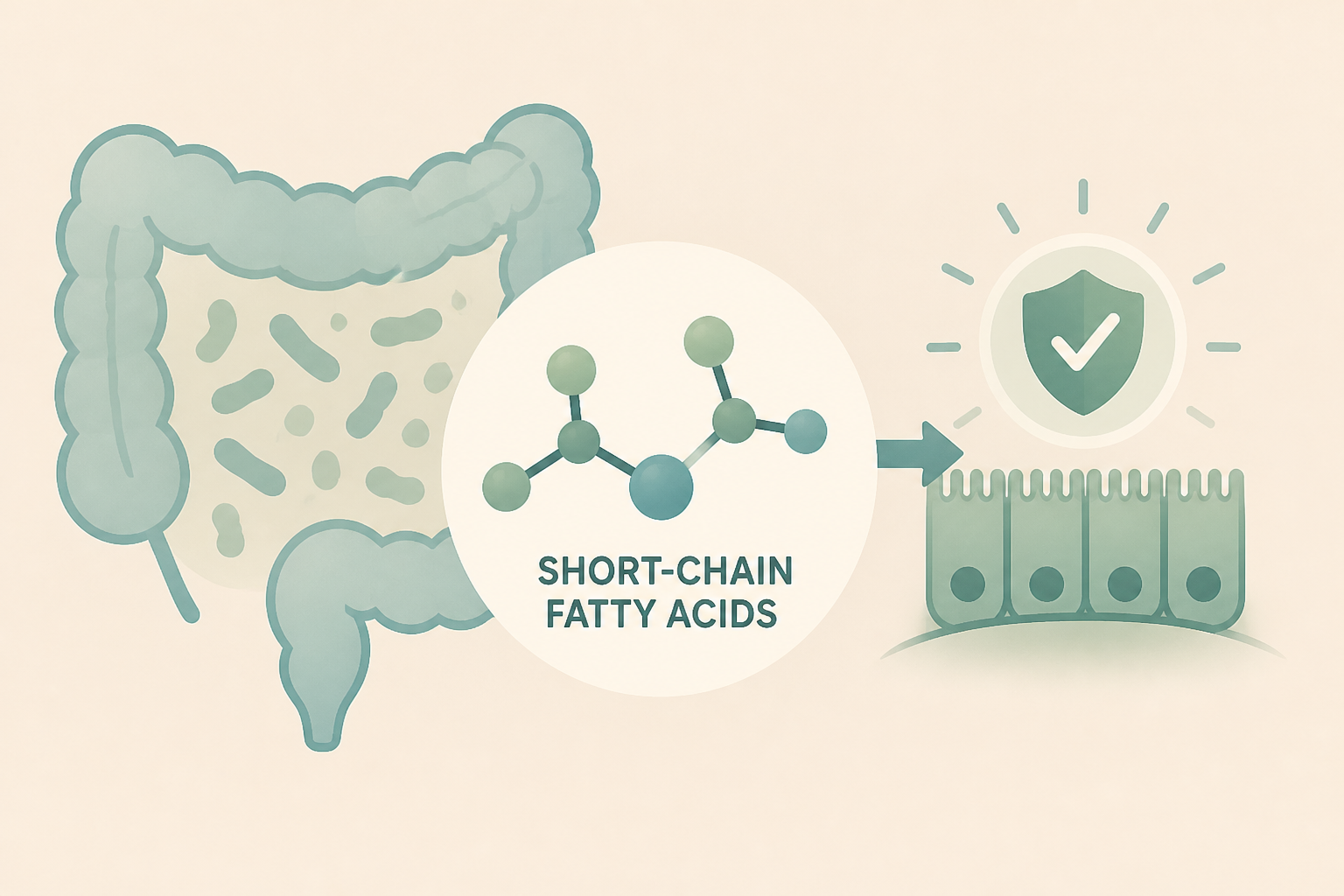
- Dietary interventions targeting SCFA production, such as increased intake of fermentable fibers, resistant starches, and prebiotics, can beneficially alter gut microbiota composition and SCFA profiles, thereby improving gut barrier integrity, reducing systemic inflammation, and influencing brain-gut axis signaling relevant to mental health disorders.
- Research highlights the complex pharmacology and tissue-specific signaling pathways of SCFA receptors, emphasizing the need for advanced therapeutics that harness SCFA-mediated pathways to treat metabolic, inflammatory, and neurological diseases.


