AI Generated Image
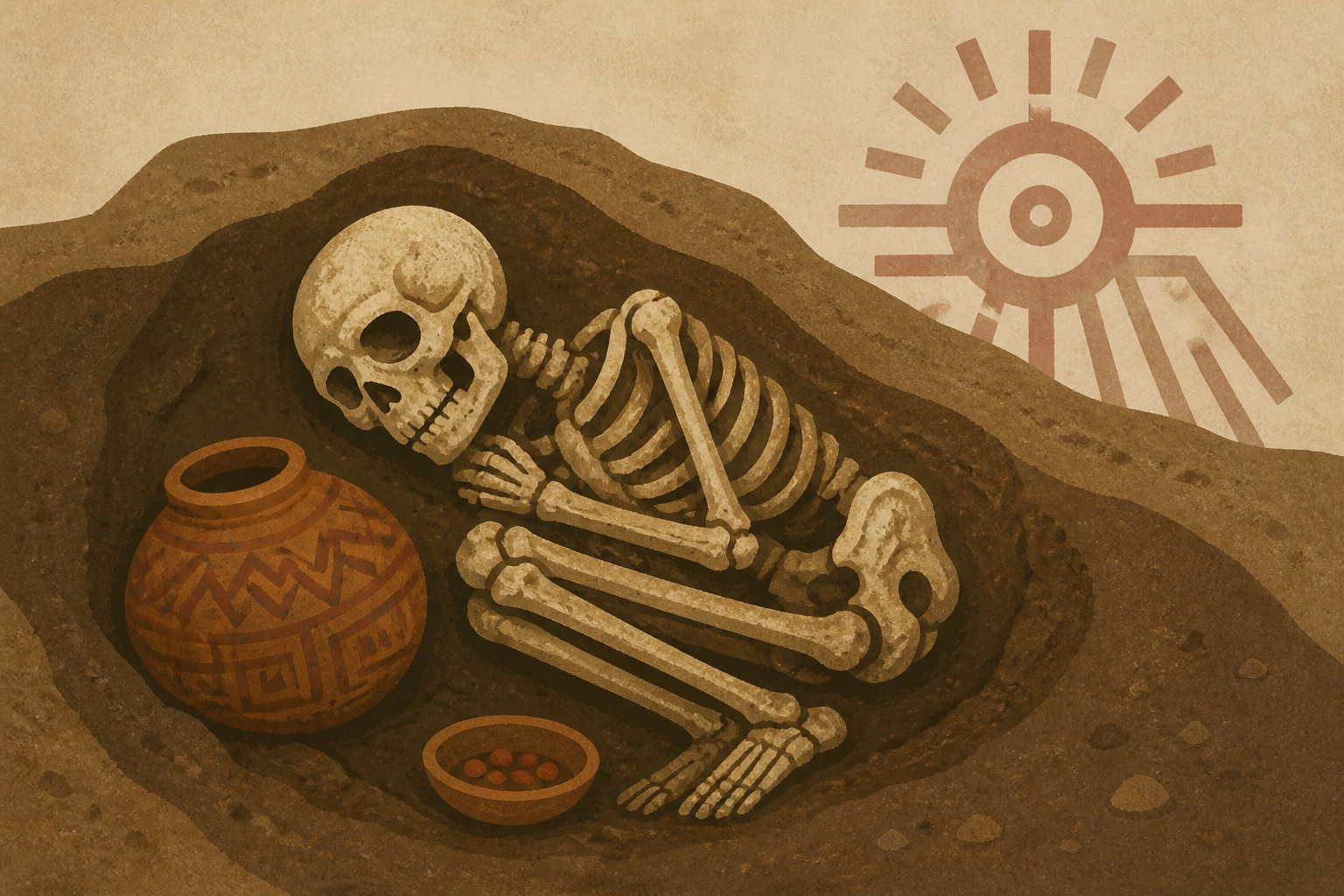
Skeletal remains believed to be person sacrificed during ritual unearthed by archaeologists in Peru
CBS News • • world
Key Points:
- Archaeologists uncovered the skeletal remains of an adult male believed to have been sacrificed and buried near the base of the ancient Huaca Pucllana pyramid in Lima, Peru, dating back to around A.D. 650.
- The body was found inside a canal linked to a ceremonial pool, buried on its left side with the skull facing the pyramid and the Pacific Ocean, suggesting ritual significance.
- The ceremonial well where the remains were found is unique for being constructed with river stones, differing from the typical small mud bricks used in other Huaca Pucllana structures.
- The discovery offers new insights into the rituals of the Lima culture, which thrived between the 1st and 7th centuries, predating the Inca Empire by several centuries.
- Lima, a city rich in archaeological sites, has seen multiple recent discoveries of pre-Incan tombs and mummies during utility and construction work, highlighting the region’s historical significance.


