AI Generated Image
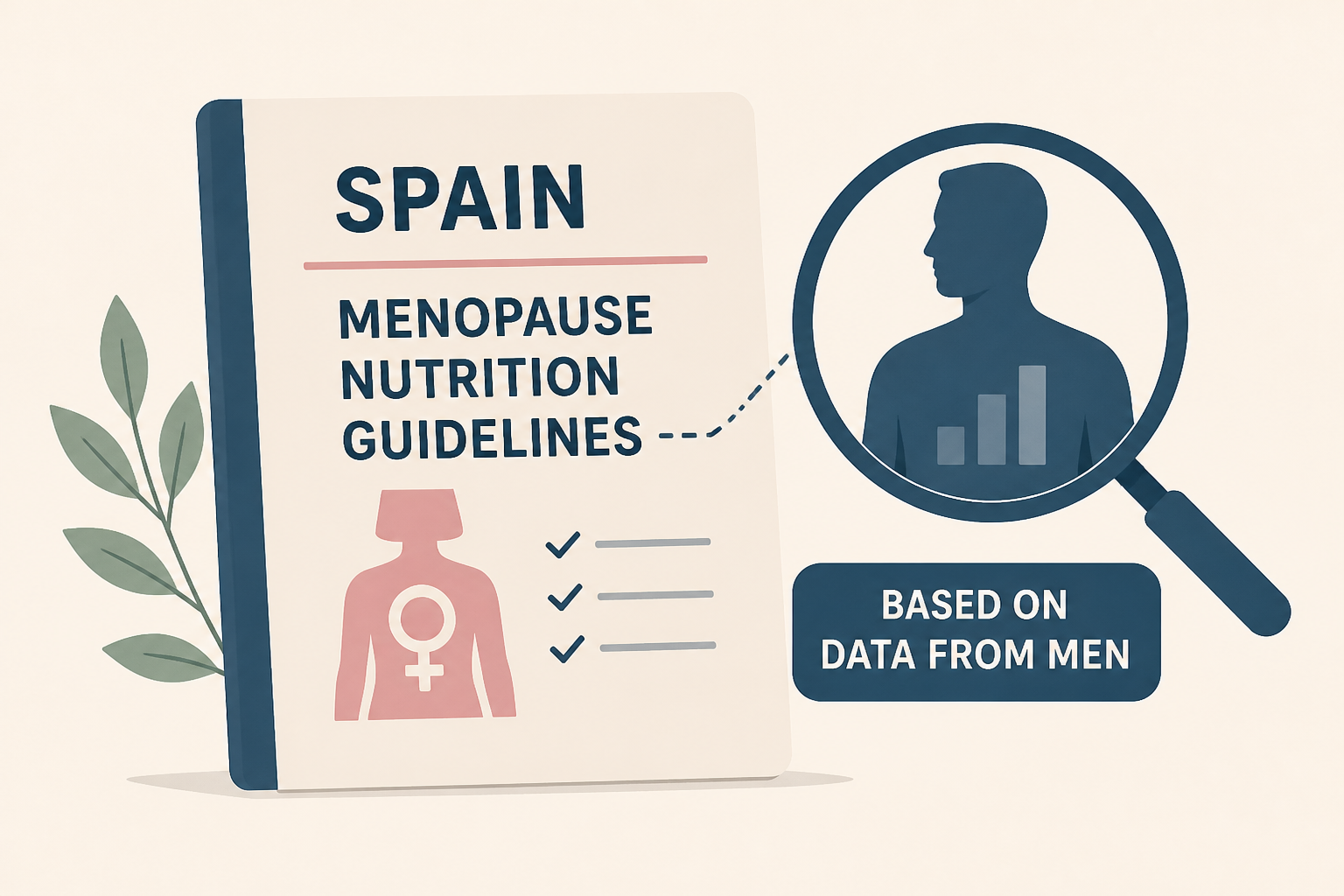
Spain releases menopause nutrition guidelines based on data from men
New York Post • • health
Key Points:
- The Spanish Agency for Food Safety and Nutrition (AESAN) released nutritional guidelines for women in perimenopause, menopause, and post-menopause based on studies conducted exclusively on men, sparking criticism from female scientists.
- AESAN admitted to omitting a warning about the male-only research basis and has initiated a formal review of the guidelines after backlash from the Spanish Association of Women Researchers and Technologists (AMIT).
- Spanish Minister for Equality Ana Redondo emphasized the need for women to be included in health research and condemned the use of male bodies as the universal standard in medical studies, especially for menopause-related issues.
- The controversy underscores a broader issue in medical research where women are under-represented in clinical trials, despite biological and hormonal differences that affect health outcomes and nutritional needs.
- Experts highlight that menopausal women require different nutrient intakes, such as increased calcium, and that dietary approaches focusing on protein, calcium, vitamin D, and plant-based foods can help manage menopausal symptoms and weight.


