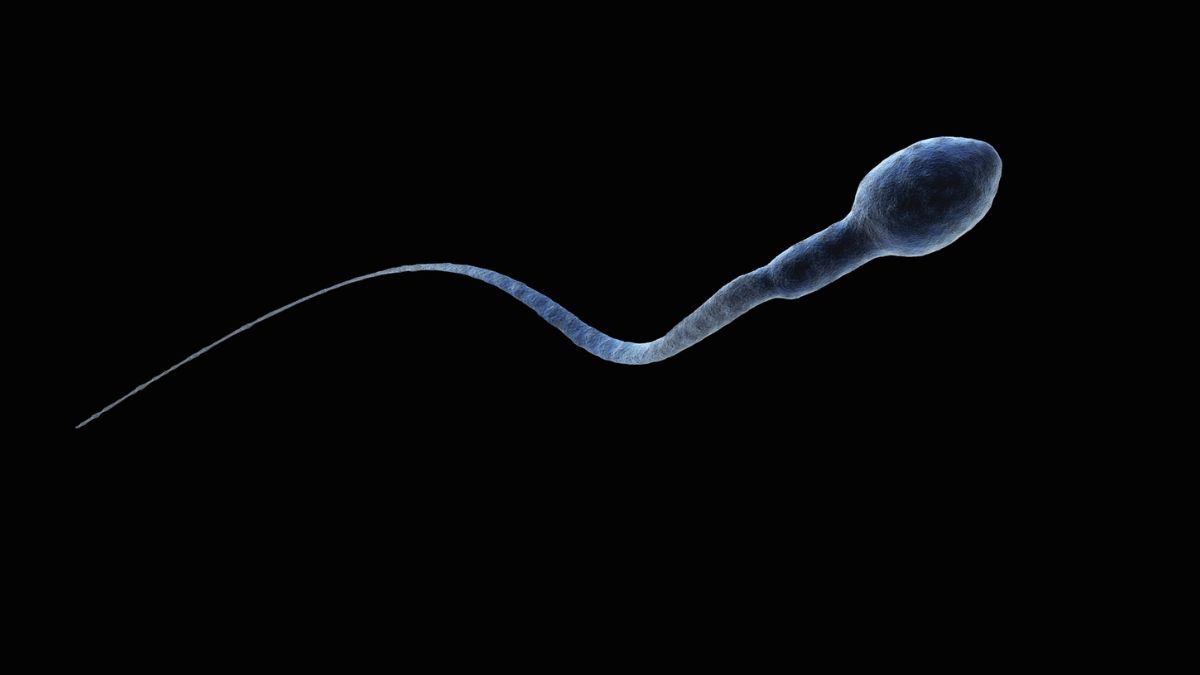
Sperm Get Lost in Microgravity, And It Could Seriously Impact Space Travel
ScienceAlert • • science
Key Points:
- Researchers at Adelaide University found that simulated microgravity impairs the ability of human, pig, and rodent sperm to navigate a channel mimicking the female reproductive tract, reducing their directional accuracy without affecting motility.
- The study suggests that sperm lose contact with the channel walls in microgravity, disrupting their navigation, but chemical cues like the hormone progesterone can help guide them despite the lack of gravity.
- Mouse sperm exposed to microgravity for several hours showed a 30% reduction in fertilization rates and developmental delays in embryos, raising concerns about the effects of space conditions on reproduction.
- These findings highlight the need for further research into how microgravity and space-related factors affect human and animal reproductive health, especially as commercial spaceflight and long-term space habitation increase.
- Understanding the sensitivity of gametes and embryos to altered gravity is crucial to ensuring reproductive sustainability for humans and livestock in space environments.


