AI Image
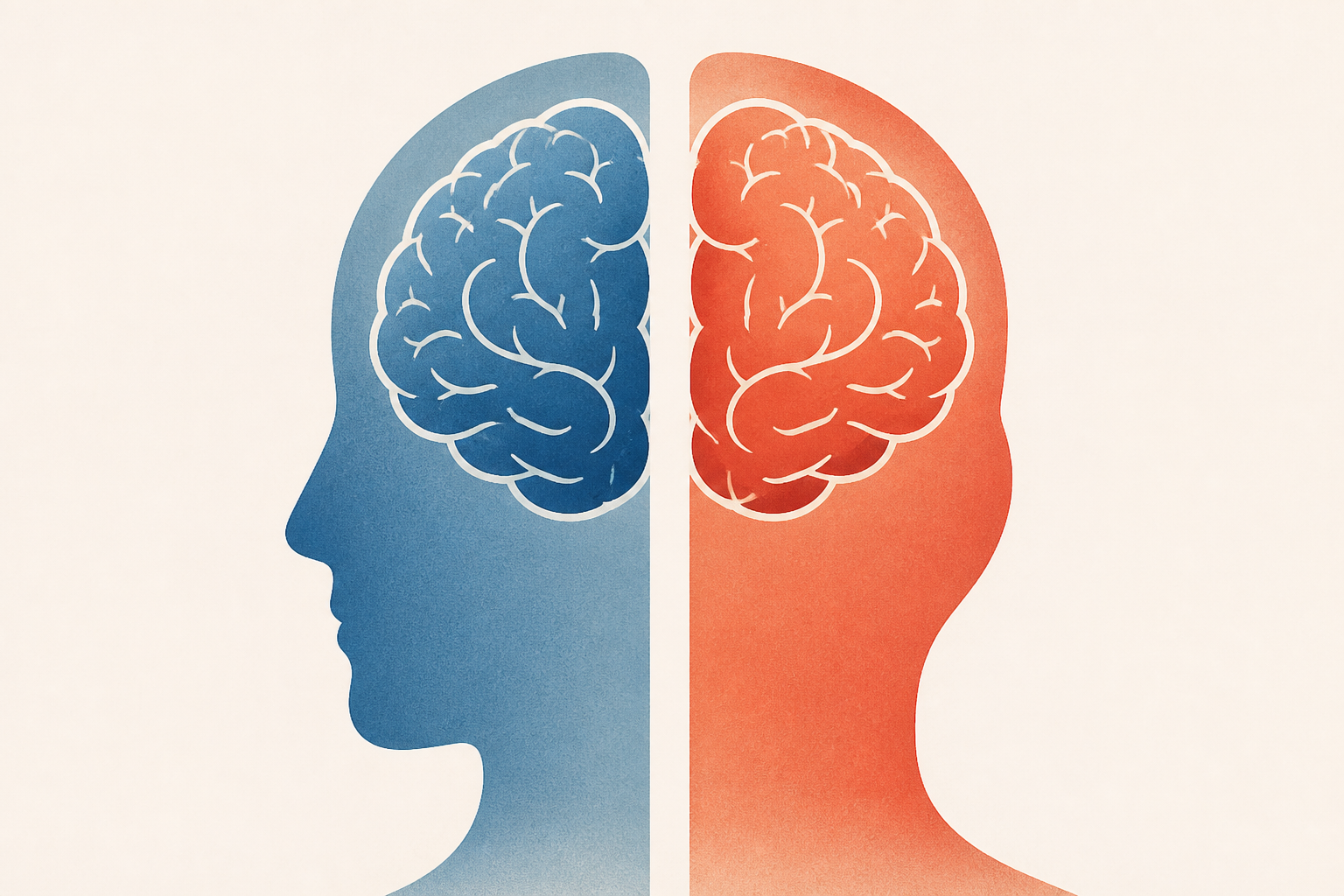
Stanford Scientists Find That the Human Brain Is Actually Two Separate Organs
Futurism • • health
Key Points:
- A new study from Stanford University, published in Nature Neuroscience, reveals that the human brain consists of two distinct organs—the forebrain and hindbrain—that evolved independently over hundreds of millions of years.
- This discovery challenges the long-held belief that the brain developed as a single entity and may reshape our understanding of brain evolution and function.
- Researchers successfully grew hindbrain motor neurons from pluripotent stem cells in the lab, which could advance studies of neurological diseases affecting the brain stem, such as ALS.
- The study found similar separate developmental pathways in other species, suggesting that evolution combined two ancient neural systems to form the modern brain.
- The dual-origin brain structure may explain how the human brain developed complex functions like memory and creativity while maintaining essential life-sustaining processes.


