AI Image
Stench, violence and sirens: how Ceuta became Europe’s migration nightmare
Ynetnews • • world
Key Points:
- In late July, between 80,000 and 100,000 undocumented migrants, mostly young men from Morocco and sub-Saharan Africa, entered Ceuta, a Spanish enclave in North Africa, overwhelming a city of 84,000 residents and creating a sprawling makeshift camp of at least 5,000 people.
- The migrants face dire conditions, including overcrowded shelters, violence, hunger, and lack of medical care, with many living in unsanitary beach settlements and experiencing frequent clashes with police and local groups.
- The influx has deeply strained local resources and social cohesion, sparking fear, hostility, and political debate in Ceuta and Spain, with residents feeling abandoned by the government and concerned about the impact on the city's identity and security.
- The situation is complicated by longstanding tensions between Spain and Morocco over the enclaves, economic disparities motivating migration, and recent Spanish court rulings and political decisions that may have encouraged the mass crossing.
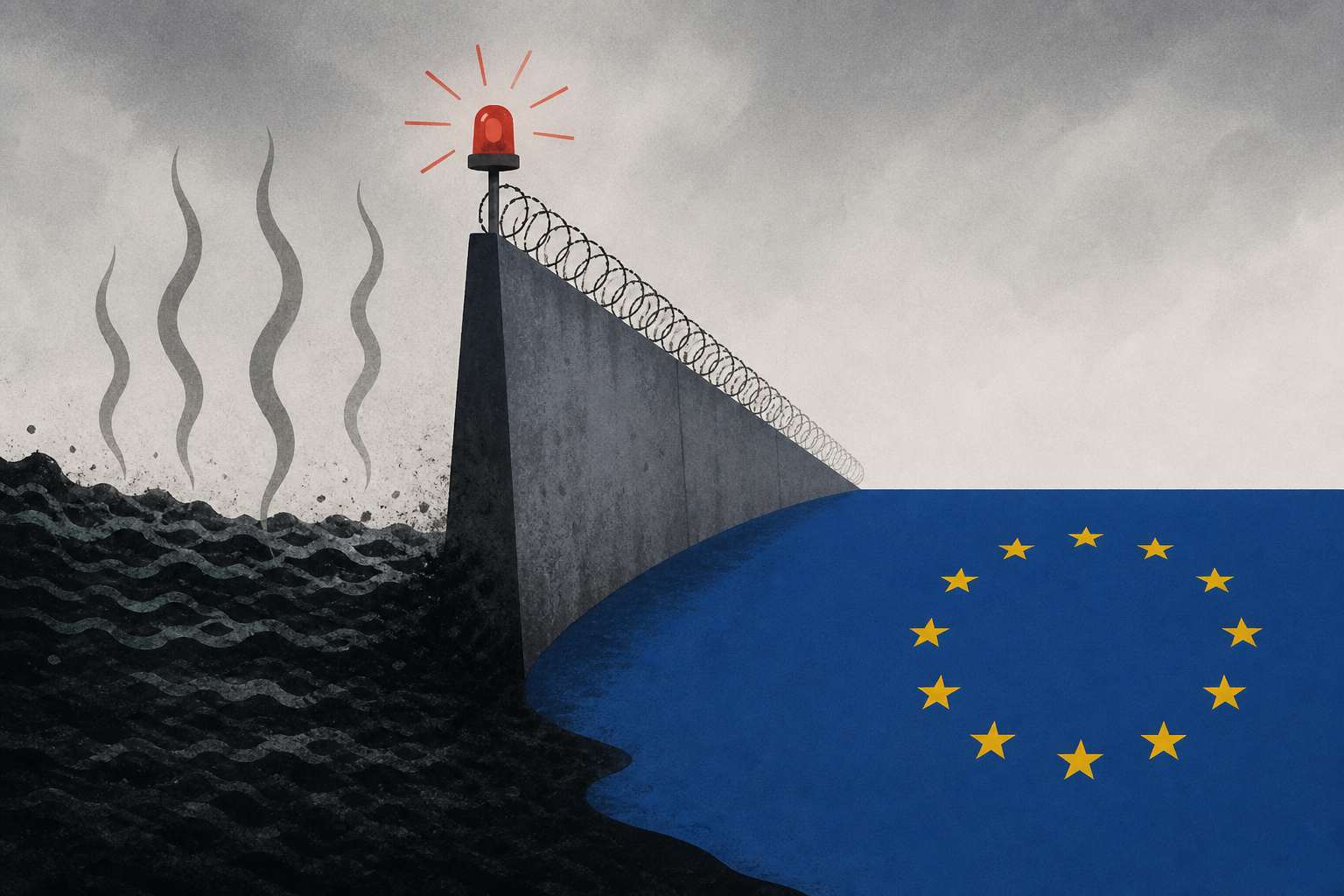
- Despite formidable border defenses and significant EU funding for reception centers, many migrants remain stranded in Ceuta, facing uncertain futures, with 141 deaths reported during the crossing, including children, highlighting a humanitarian crisis with wider implications for Europe.


