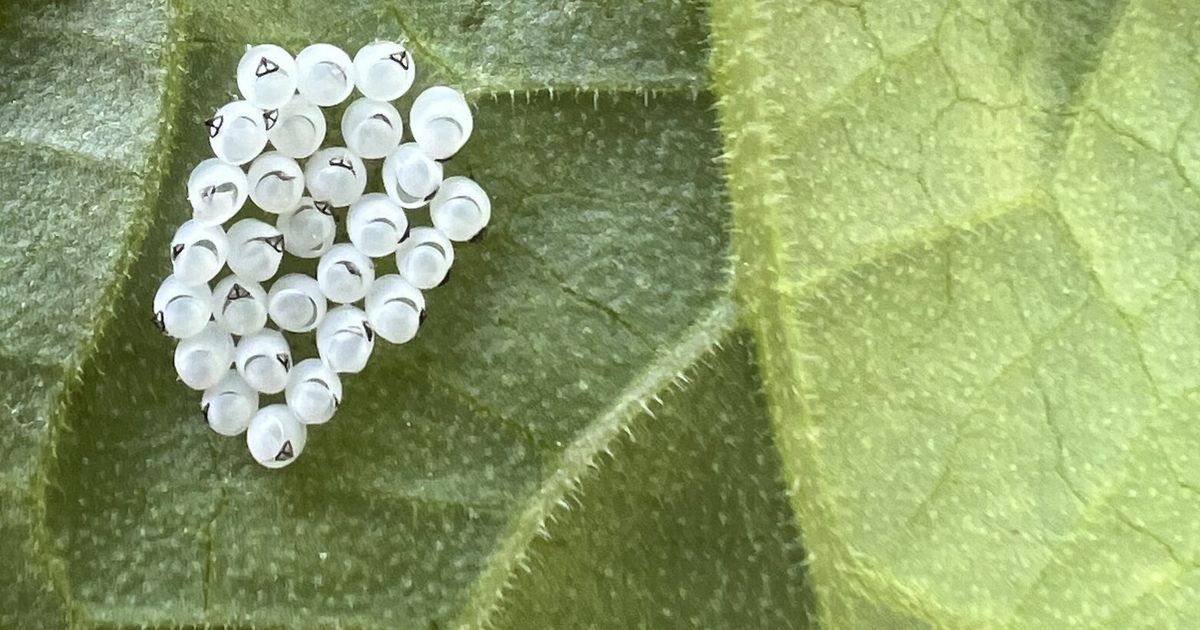
Stink bugs are trouble in the garden. And yes, they really do stink.
Key Points:
- The brown marmorated stink bug, native to Asia, has spread across 47 U.S. states and four Canadian provinces since the mid-1990s, causing significant damage to fruit and vegetable crops like peaches, apples, peppers, and beans.
- These pests overwinter as adults in protected places such as houses and sheds, emerging in spring to mate and lay eggs, with multiple generations per year depending on the region.
- Stink bugs are difficult to control due to their resilience and mobility, but gardeners can reduce their impact through handpicking, using trap crops combined with organic sprays, and encouraging natural predators like lady beetles and parasitic wasps.
- Organic treatments are most effective on young nymphs and
Trending Business
Donald Trump Pardons Entertainment Executive Tim Leiweke
Deadline
12 former FDA chiefs unite to say agency memo on vaccines is deeply stupid
Ars Technica
Paramount Raises Breakup Fee in Warner Bros. Bid to $5 Billion
Bloomberg.com
Nvidia’s Huang Unsure Whether China Would Accept Its H200 Chips
Bloomberg.com
Former FDA leaders denounce agency's new vaccine safety stance
AP NewsTrending Technology
Escape From Tarkov Players Are Finally Escaping From Tarkov
GameSpot
Apple releases iOS 26.2 RC for iPhone
9to5Mac
Epic bans indie game Horses from its storefront 24 hours before release
Engadget
Amazon Clears Out This Mac Mini Alternative Mini PC for Less Than Budget Earbuds, Preinstalled With Windows 11 Pro
Kotaku
"Joke's on them," says No Man's Sky lead as rival survival game confirms it's replacing an eerily familiar cosmetic
PCGamesN
Trending Health
This could happen to your body and health if you take probiotics
Earth.com
What is 'scromiting'? These are symptoms of condition linked to frequent marijuana use
WKRC
FDA removes Office of Nonprescription Drugs Director Theresa Michele
statnews.com
'Scromiting' condition linked to marijuana use increases nationwide
Scripps News
Stink bugs are trouble in the garden. And yes, they really do stink.
The Seattle Times