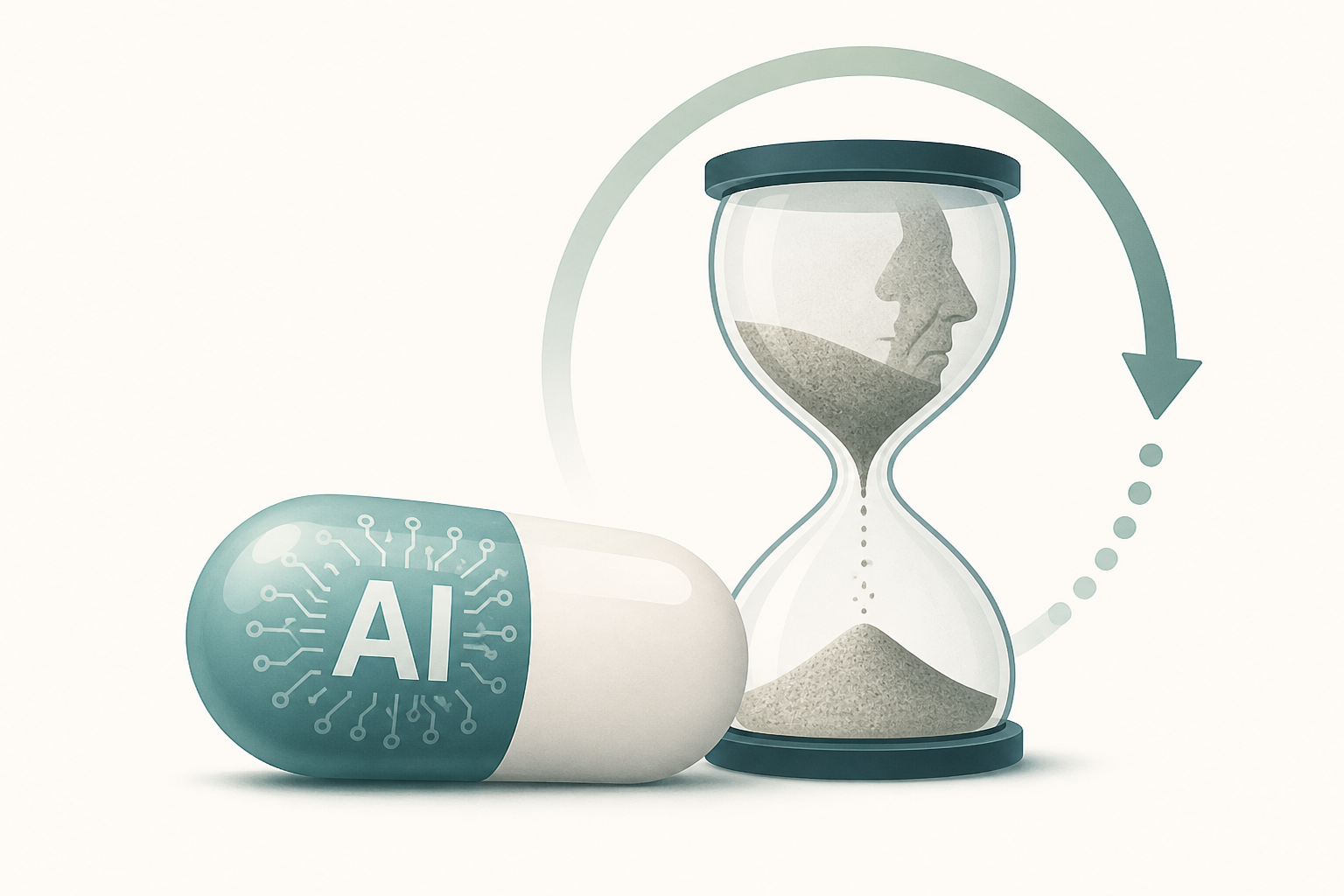
AI Generated Image
Study Suggests AI-Generated Drug Could Slow Aging
Gizmodo • • general
Key Points:
- A new study published in Nature Biotechnology reports that rentosertib, an AI-designed drug by Insilico Medicine, showed early signs of reducing biological markers of aging in a 12-week trial involving 42 participants.
- The study used six different AI-developed aging clocks, which measure various biomarkers to estimate biological age, and found that participants taking rentosertib experienced a decrease in biological age, unlike placebo or untreated groups.
- Aging clocks, while promising as tools to assess morbidity and mortality risk, are still debated in the scientific community due to variability among models and the lack of a universally accepted biological age metric.
- Experts caution that relying heavily on aging clocks could lead to misguided interventions that might negatively affect the body’s natural repair mechanisms, highlighting the need for further research and validation.
- Although rentosertib’s results are promising, the drug remains far from regulatory approval and will require extensive additional trials to confirm its safety and efficacy in slowing aging.


