AI Image
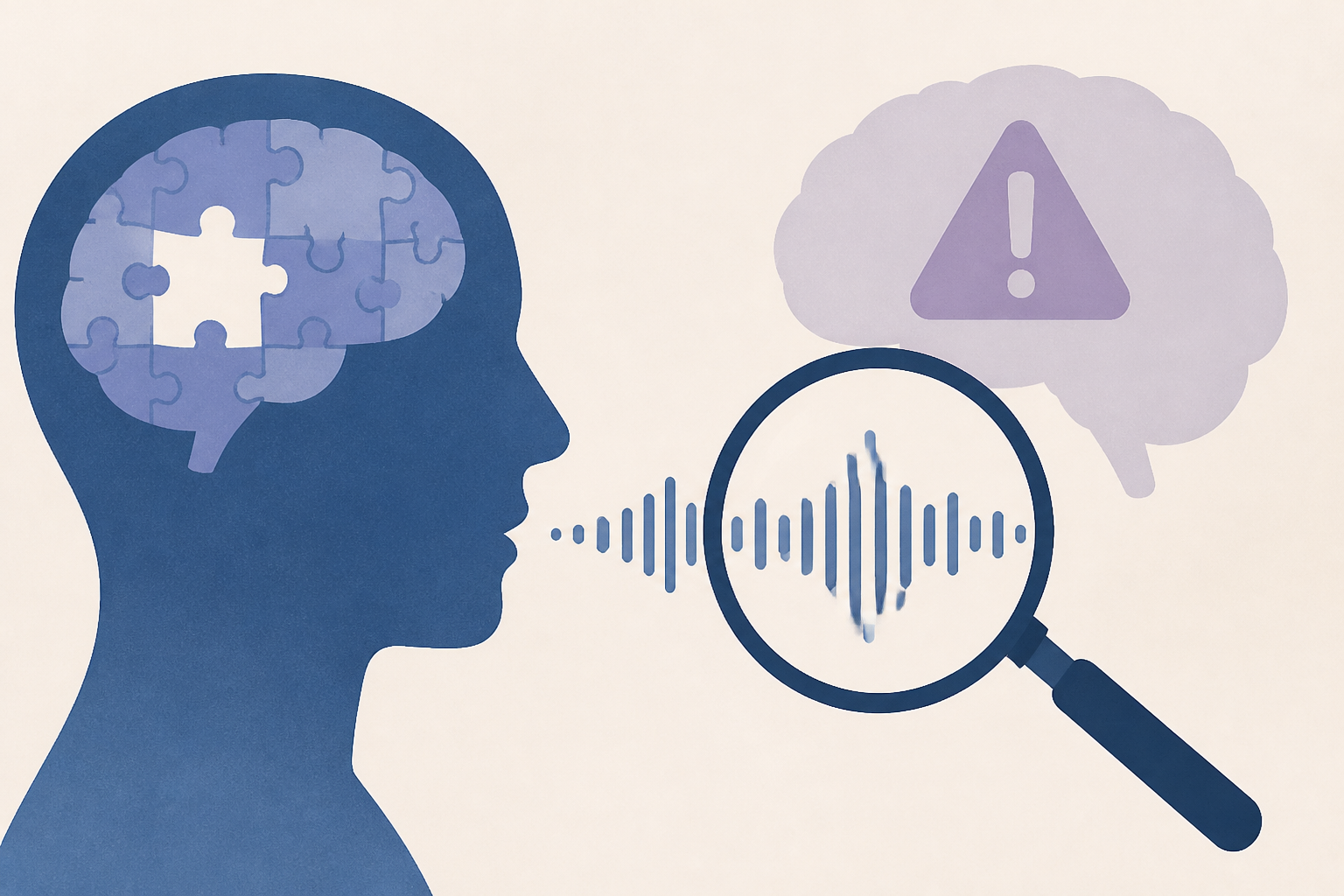
Subtle Changes in Speech May Help Predict Dementia Risk
The New York Times • • health
Key Points:
- Researchers at Mass General Brigham University of Health Professions are analyzing subtle speech patterns to predict the likelihood of developing dementia and track brain health changes.
- The study involves measuring about 130 different speech-related features using sensors placed on various facial and tongue muscles while participants repeat specific nonsense phrases.
- Artificial intelligence algorithms process the speech data and compare it with known biological risk factors for Alzheimer's disease.
- Preliminary findings suggest that speech analysis may be more effective than traditional cognitive tests at identifying Alzheimer's risk in cognitively unimpaired older adults.
- The research aims to detect early signs of cognitive decline years before symptoms become apparent to humans or standard testing methods.


