AI Image
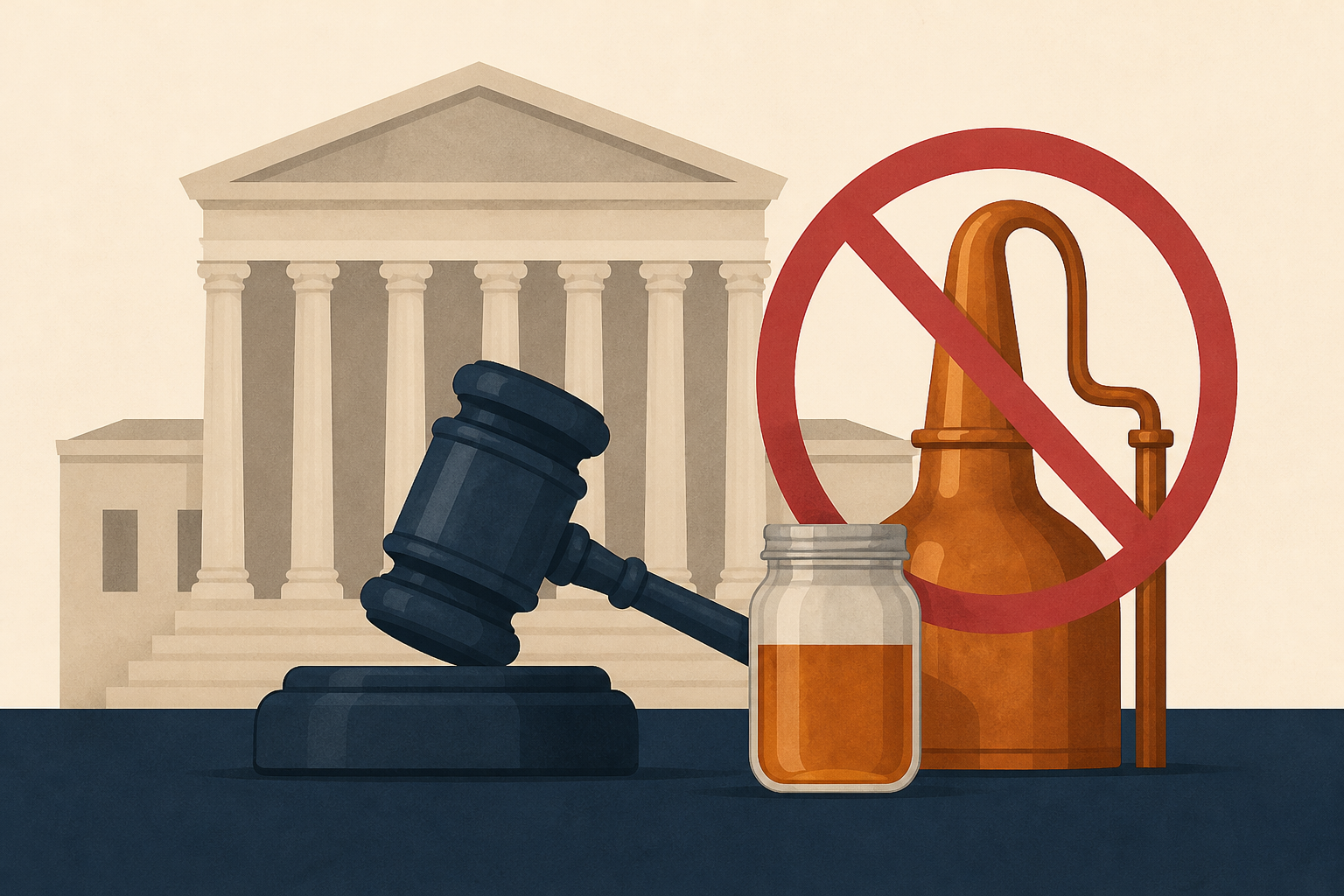
Supreme Court to review old federal ban on home whiskey distilling
Fox News • • nation
Key Points:
- The U.S. Supreme Court has agreed to review a 150-year-old federal law from 1868 that prohibits home distilling of spirits, a restriction originally enacted to prevent liquor tax evasion.
- The case challenges whether Congress' constitutional taxing authority justifies banning home production of distilled spirits, with conflicting rulings from two federal appeals courts earlier this year.
- Opponents, including Ohio brewery owner John Ream and the Buckeye Institute, argue the law infringes on personal freedoms and that home distilling is a longstanding American tradition, even practiced by George Washington.
- The Department of Justice defends the restriction as essential for preventing tax evasion and protecting federal revenue, while challengers propose paying applicable taxes instead of an outright ban.
- Oral arguments are expected in early 2024, with a Supreme Court decision potentially announced by June, which could have broader implications for congressional power over private activities.


