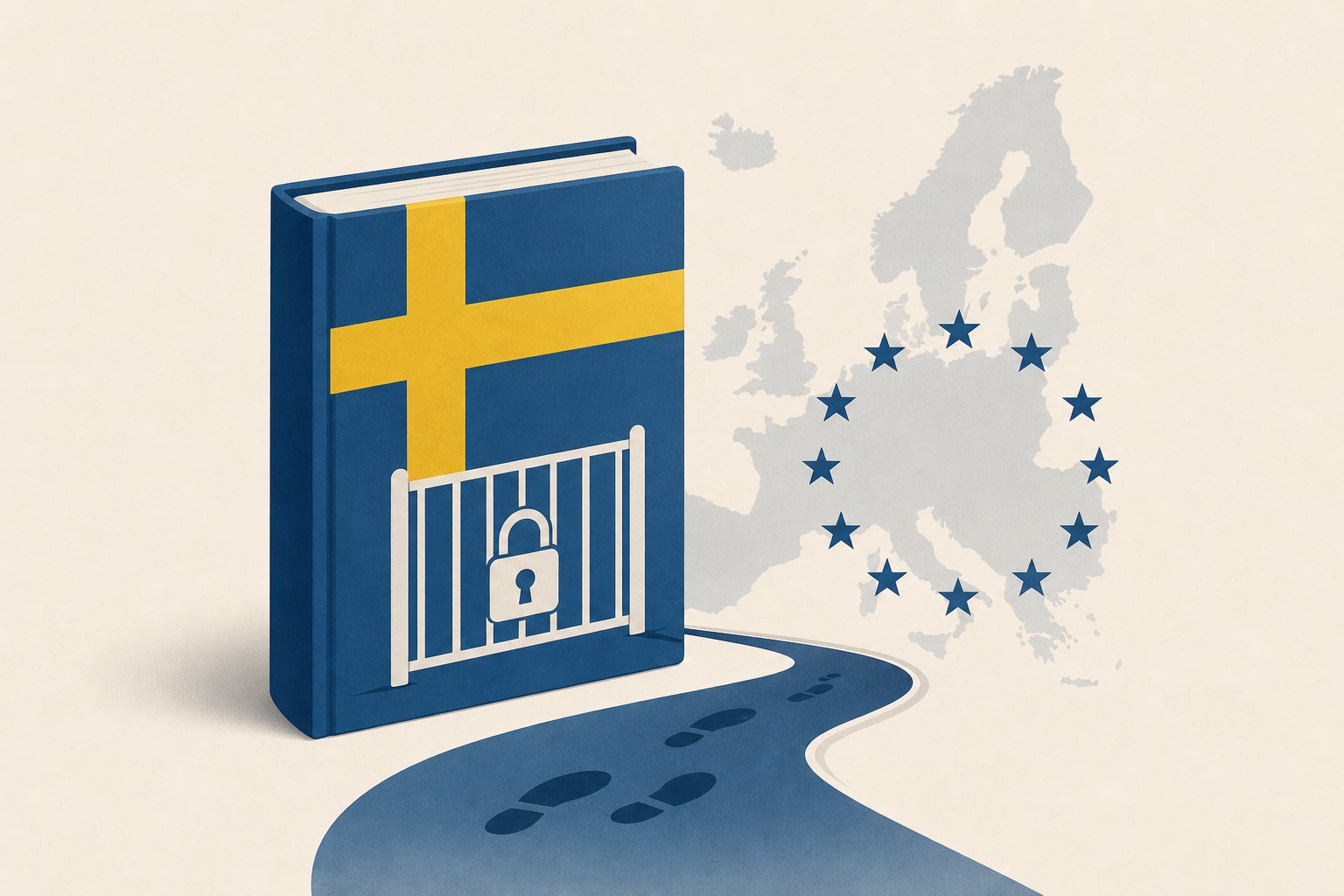
AI Generated Image
Sweden’s immigration crackdown is a lesson for Europe
UnHerd • • world
Key Points:
- Sweden has passed a new immigration law allowing the government to revoke residence permits from migrants guilty of petty crimes or persistent wrongdoing, reflecting a culturally rooted concept of “skötsamhet,” which emphasizes conscientiousness and adherence to societal rules.
- The law targets migrants who disrupt social cohesion by evading immigration rules, abusing welfare, or engaging in disorderly conduct, aiming to address the disproportionate involvement of foreign-born individuals in crime compared to native Swedes.
- The concept of “skötsamhet” has historical significance in Swedish political culture, linking good behavior with national belonging and social rights, and remains central to how most Swedes view integration and citizenship.
- The legislation has sparked some backlash as it affects migrants who have otherwise integrated by learning the language and working, but it is seen domestically as a fair measure to uphold social order and the reciprocal welfare state model.
- Sweden’s approach contrasts with other European countries by prioritizing social conformity and collective norms over strict individual rights protections, potentially offering a model for managing immigration and enhancing social cohesion amid mass migration challenges.


