Tailors, dressmakers retire their pincushions as US demand for skilled sewers grows
ABC News • • business
Key Points:
- Tailoring services in the U.S. are experiencing renewed demand as consumers seek custom fits, alterations for weight changes, and sustainable fashion options, despite a declining and aging workforce of professional tailors.
- The number of tailors, dressmakers, and sewers has fallen by 30% over the past decade, with a median age of 54, reflecting challenges in attracting younger workers due to relatively low wages and the physical demands of the job.
- Immigrants constitute about 40% of the tailoring workforce, with significant contributions from Mexico, South Korea, Vietnam, and China, highlighting the industry's reliance on foreign-born labor.
- To combat labor shortages, institutions like Nordstrom and the Fashion Institute of Technology have launched specialized training programs to cultivate a new generation of master tailors, with some graduates already employed by major retailers.
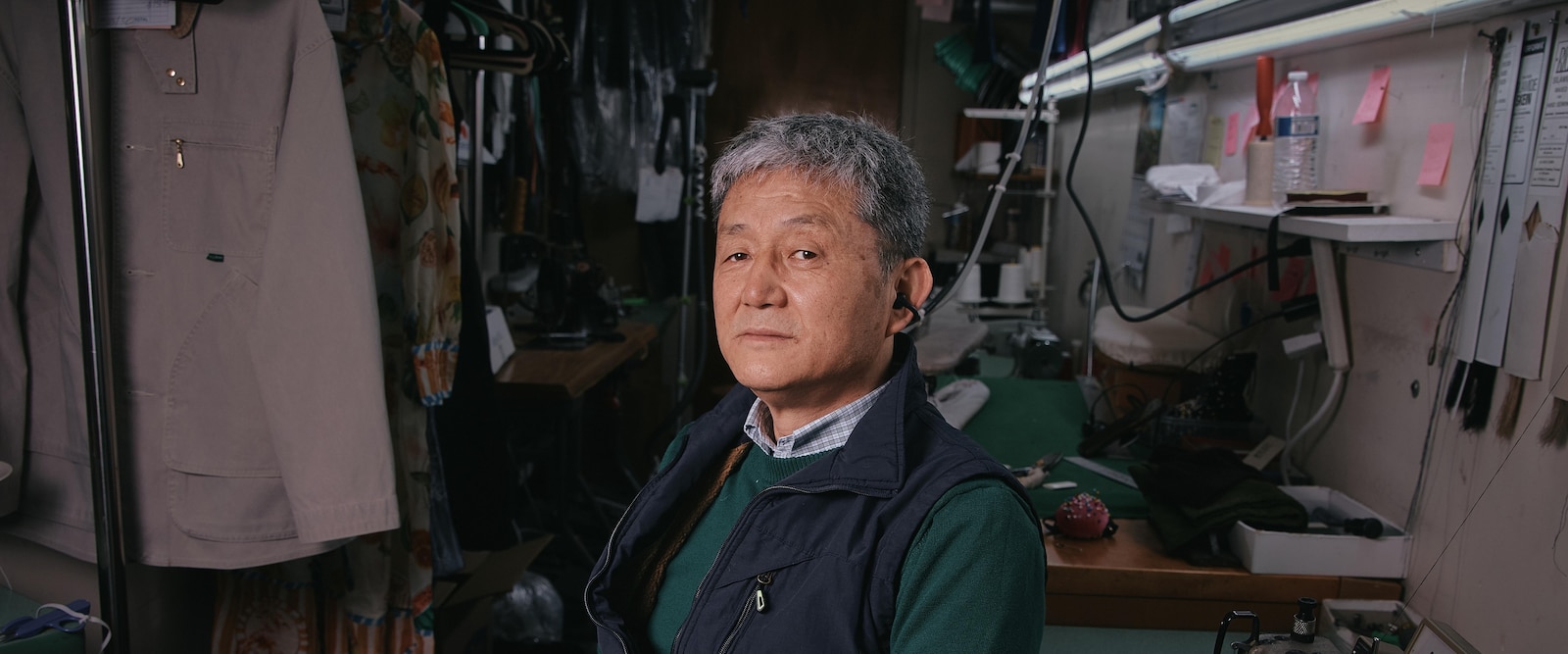
- Experienced tailors like Kil Bae emphasize the artisanal nature of tailoring, noting that while AI can assist with pattern making, the craft of fitting garments to individual bodies remains irreplaceable and personally fulfilling.


.png?format=webp&w=120&h=80)


