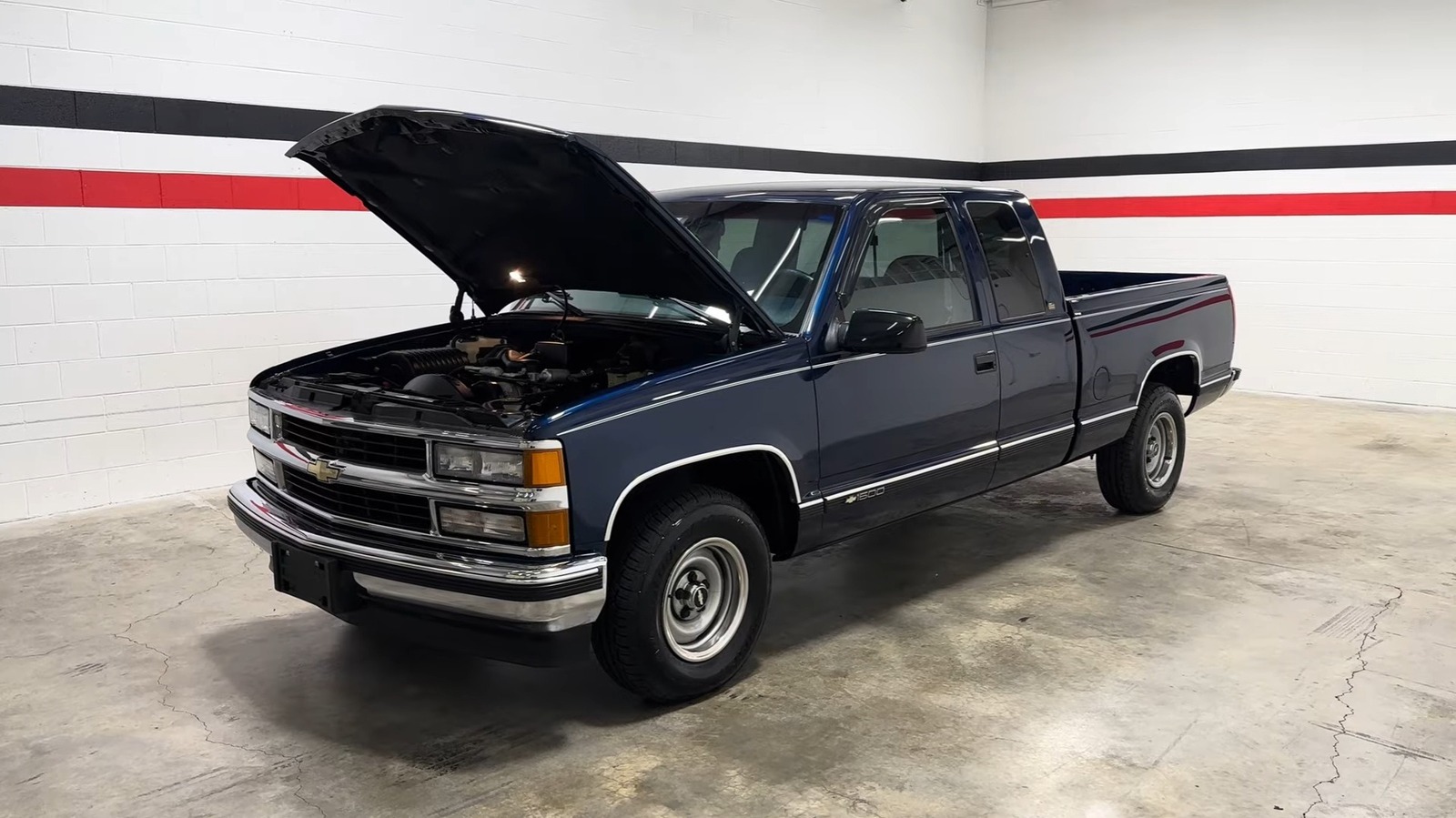
The Biggest Pros And Cons Of GM's Vortec Engines
jalopnik.com • • technology
Key Points:
- Vortec engines, introduced in the mid-1980s with the 4.3-liter V6, were initially praised for their high-flow cylinder heads, reliable service, and good fuel economy, with the vortex technology enhancing combustion efficiency.
- Throughout the 1990s, Vortec engines evolved with several iterations, including popular V8s like the 5.0-liter, 5.3-liter, and 5.7-liter, commonly found in GM pickups and SUVs, and were known for dependable performance and longevity.
- The design of Vortec engines built on GM's small-block 350 engine with improvements such as enhanced intake and exhaust flow, making them favored among enthusiasts for power and durability.
- Despite their strengths, later Vortec models introduced in the 2000s faced issues with technologies like Active Fuel Management (AFM), which caused engine problems including lifter noise, excessive oil consumption, and knock sensor failures, leading to consumer dissatisfaction and legal action.
- Vortec engines were eventually replaced by GM's EcoTec3 line but remain respected for their multi-decade service life and reliability on the road today.


