AI Generated Image
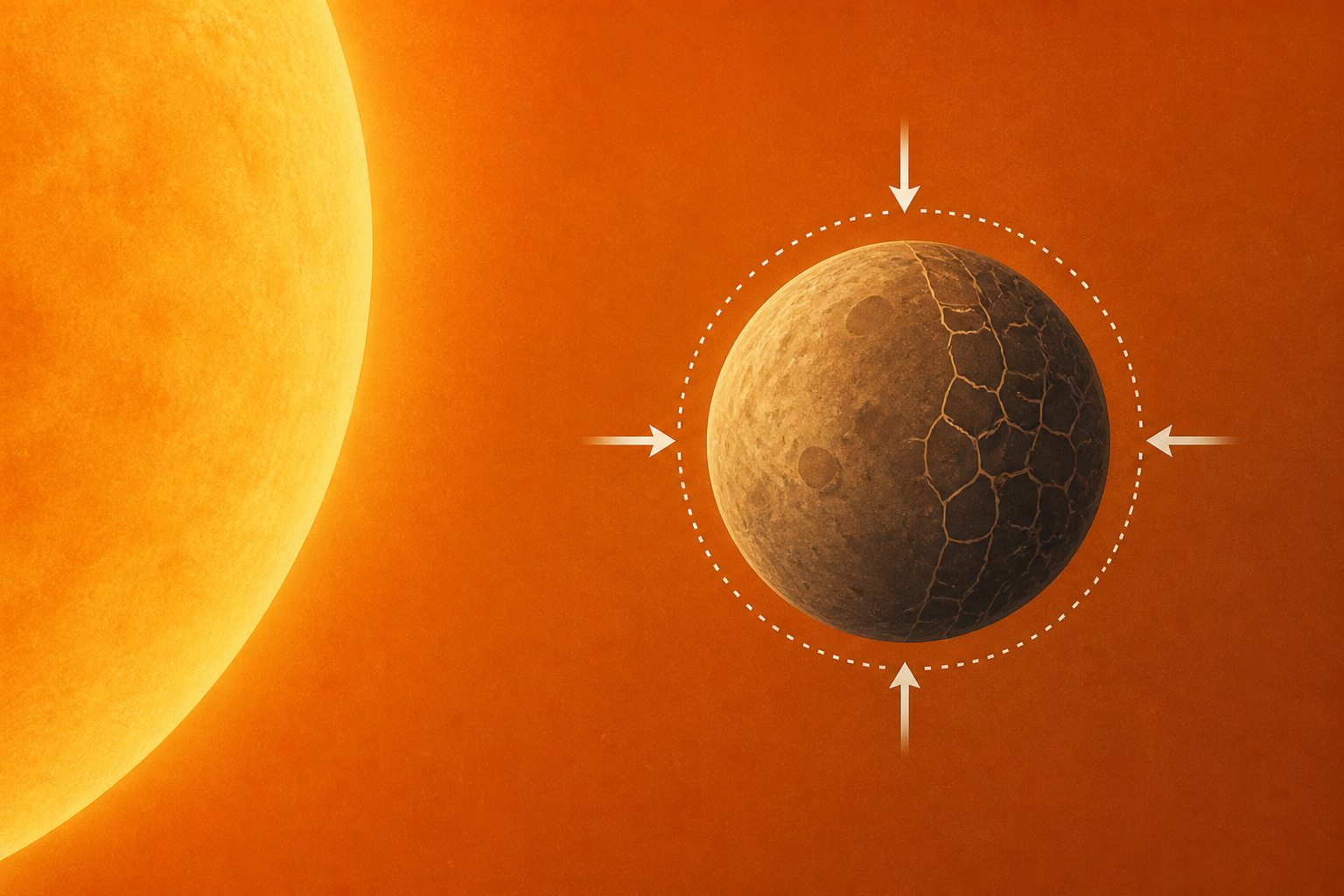
The closest planet to our sun is shrinking. Here's what that means
ksl.com • • science
Key Points:
- New research suggests Mercury, the smallest and closest planet to the Sun, has shrunk 10% to 30% more than previously estimated, with a radius decrease of about 7.2 miles, due to contraction of its interior as it cooled over billions of years.
- Scientists used data from NASA's MESSENGER mission to map Mercury's surface roughness and discovered that impact debris may have obscured many contraction-related surface wrinkles, leading to underestimates of the planet's shrinkage.
- Understanding Mercury's shrink rate is crucial for insights into its interior structure, including the size and composition of its large metallic core, as well as its tectonic, volcanic, and magnetic history.
- The upcoming BepiColombo mission, launching two orbiters around Mercury in November, is expected to provide unprecedented global topographic data, especially of the southern hemisphere, to more accurately measure the planet's contraction and surface features.
- Experts highlight that while new findings are compelling, further research including potential lander missions may be needed to fully understand Mercury's geological evolution and confirm the extent of its shrinkage.


