AI Image
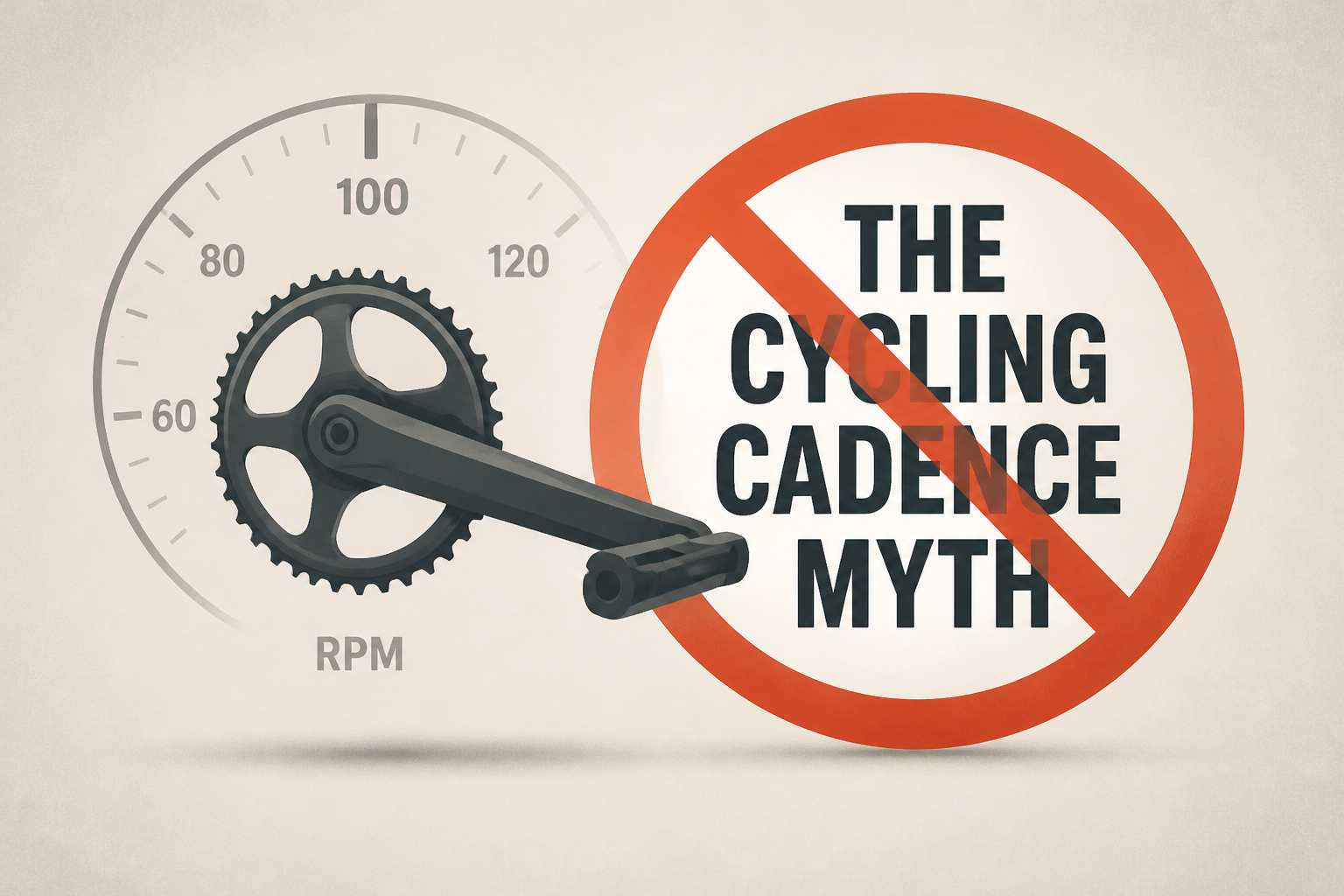
The Cycling Cadence Myth Debunked
Outside Magazine • • technology
Key Points:
- The long-held belief in an optimal cycling cadence, often pegged around 90 rpm from pro racing in the ’90s, is challenged as outdated and not universally applicable, especially for non-professional cyclists.
- Professional cyclists' high cadence habits were influenced by factors like EPO use and the need to manage fatigue over long races, which do not translate to everyday riders’ physiology or goals.
- Expert coach Ric Stern advises riders to self-select their cadence based on comfort, power output, and riding conditions, rather than adhering to arbitrary benchmarks or AI coaching flags.
- Research shows that lower cadences (around 63-70 rpm) can improve cycling economy and reduce energy demand in endurance contexts, contradicting the popular 90 rpm standard.
- Changing cadence should be considered only if there are clear performance issues such as premature muscle fatigue or difficulty maintaining power, rather than chasing a specific number without evidence of benefit.


