AI Image
Your toxic relationship could be shrinking your brain
New York Post • • health
Key Points:
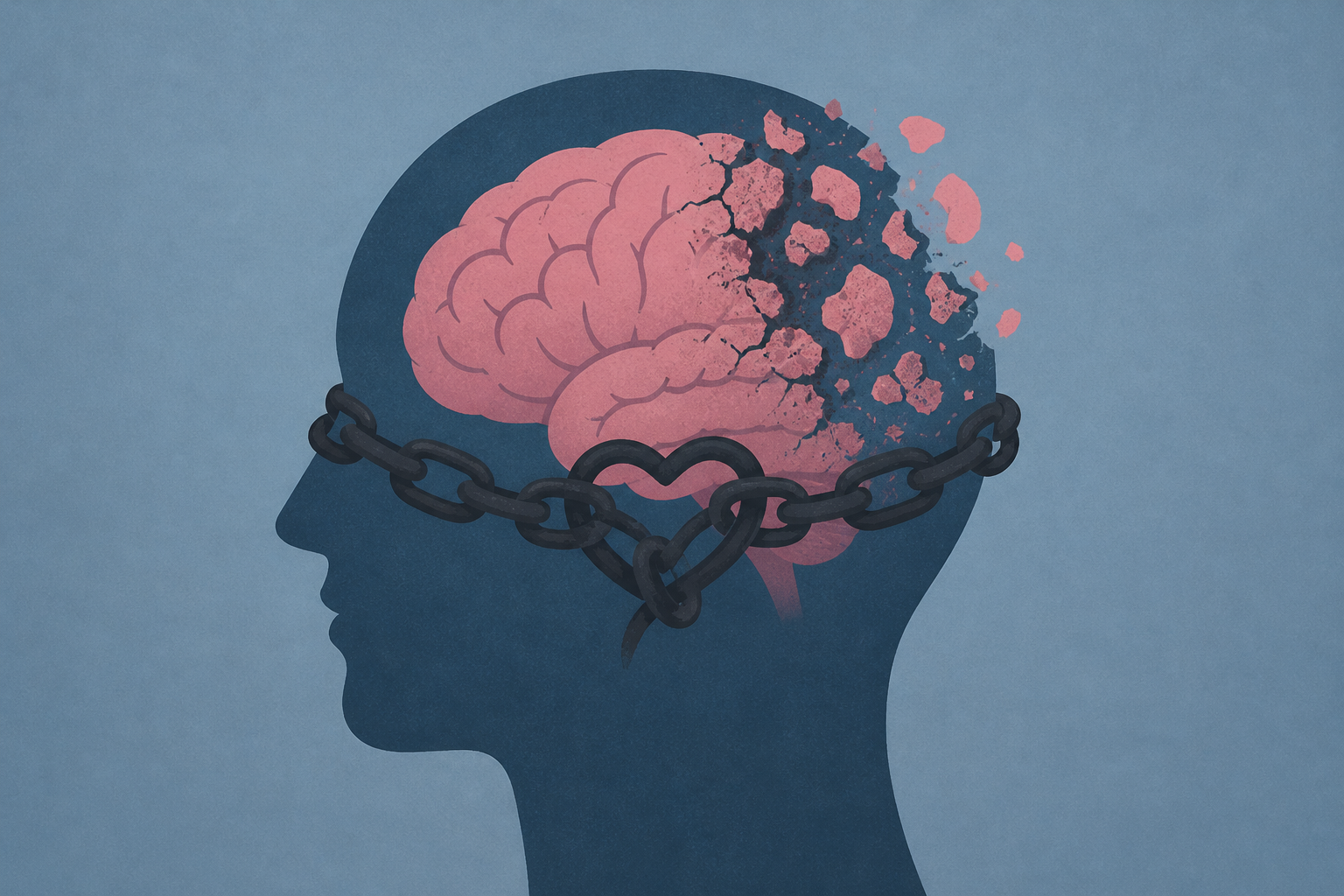
- Narcissistic abuse can cause physical changes in the brain, affecting areas such as the hippocampus, amygdala, prefrontal cortex, and periaqueductal gray, which destabilize emotional processing and impair cognitive function.
- The hippocampus may shrink due to sustained stress, leading to memory difficulties, while the amygdala can enlarge, causing heightened fear responses and chronic hypervigilance in survivors.
- The prefrontal cortex, responsible for rational thinking and decision-making, can become less active under chronic stress, explaining survivors' struggles with focus and functioning after abuse.
- Prolonged narcissistic abuse can result in complex PTSD, with symptoms including nervous system dysregulation, sleep disturbances, heart problems, and musculoskeletal pain.
- Thanks to neuroplasticity, brain damage from narcissistic abuse is reversible through trauma-informed therapy and removing chronic stressors, enabling survivors to reclaim their mental health and well-being.


