AI Generated Image
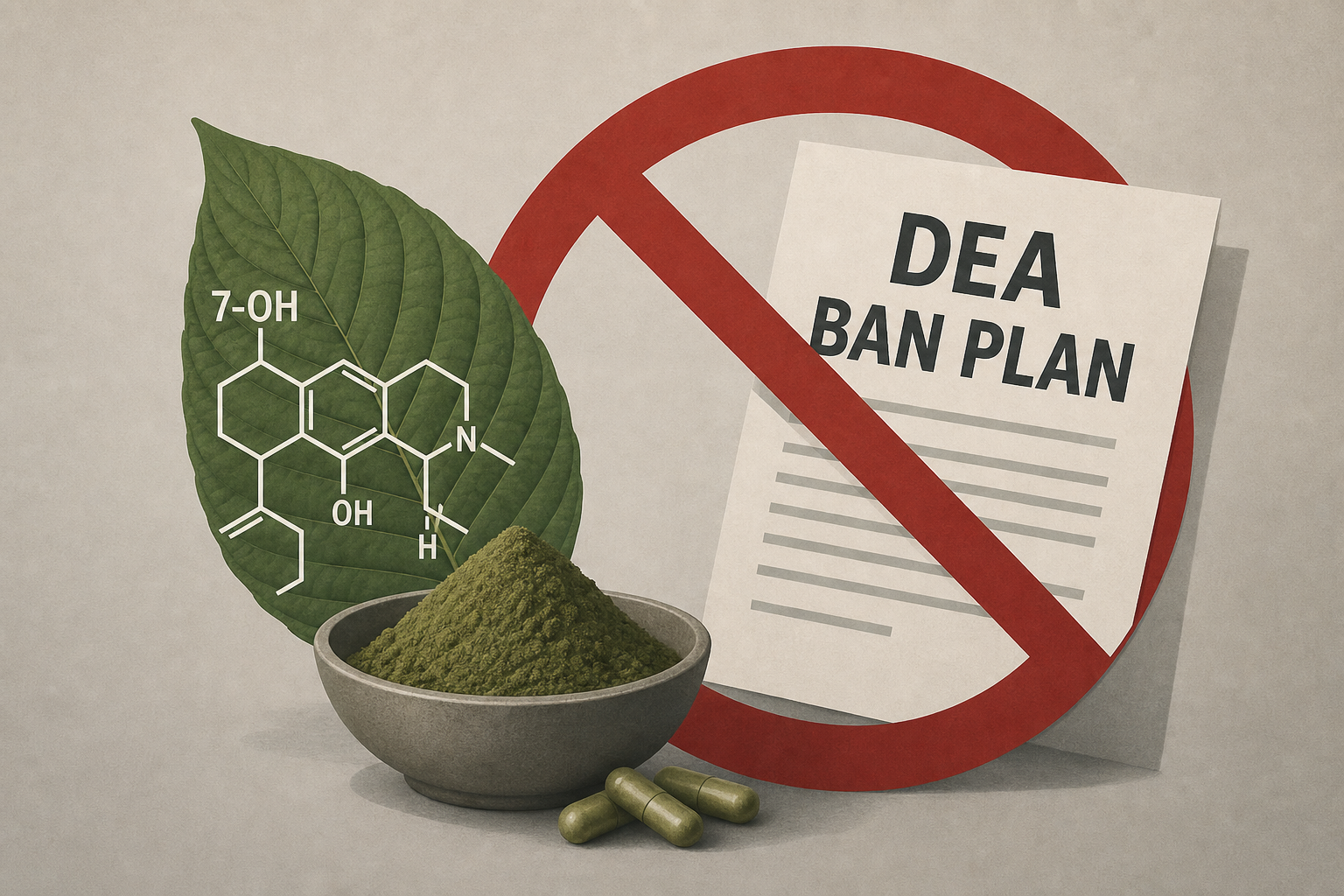
The DEA Plans to Ban Opioid-Like Kratom Compound 7-OH
WIRED • • business
Key Points:
- The DEA plans to temporarily classify 7-OH, an opioid-like component of kratom, as a Schedule I controlled substance, banning products exceeding a specific 7-OH threshold for up to two years with a possible extension.
- The agency cites severe public health risks from 7-OH, including tolerance, dependence, and addiction, while the kratom industry, supported by some government officials, has opposed the ban.
- Kratom, a Southeast Asian plant with analgesic properties, naturally contains trace amounts of 7-OH, but unregulated synthetic 7-OH products have surged in potency and availability, often sold in convenience stores.
- Key political figures with ties to the kratom industry, such as Health Secretary Robert F. Kennedy Jr. and DHS Secretary Markwayne Mullin, have been involved in the debate, with Mullin denying lobbying activities related to 7-OH.
- Kratom lobbyists welcome the DEA’s move to distinguish natural kratom from chemically manipulated 7-OH products, while 7-OH advocates argue the ban lacks scientific justification and plan to comment during the public review period.


