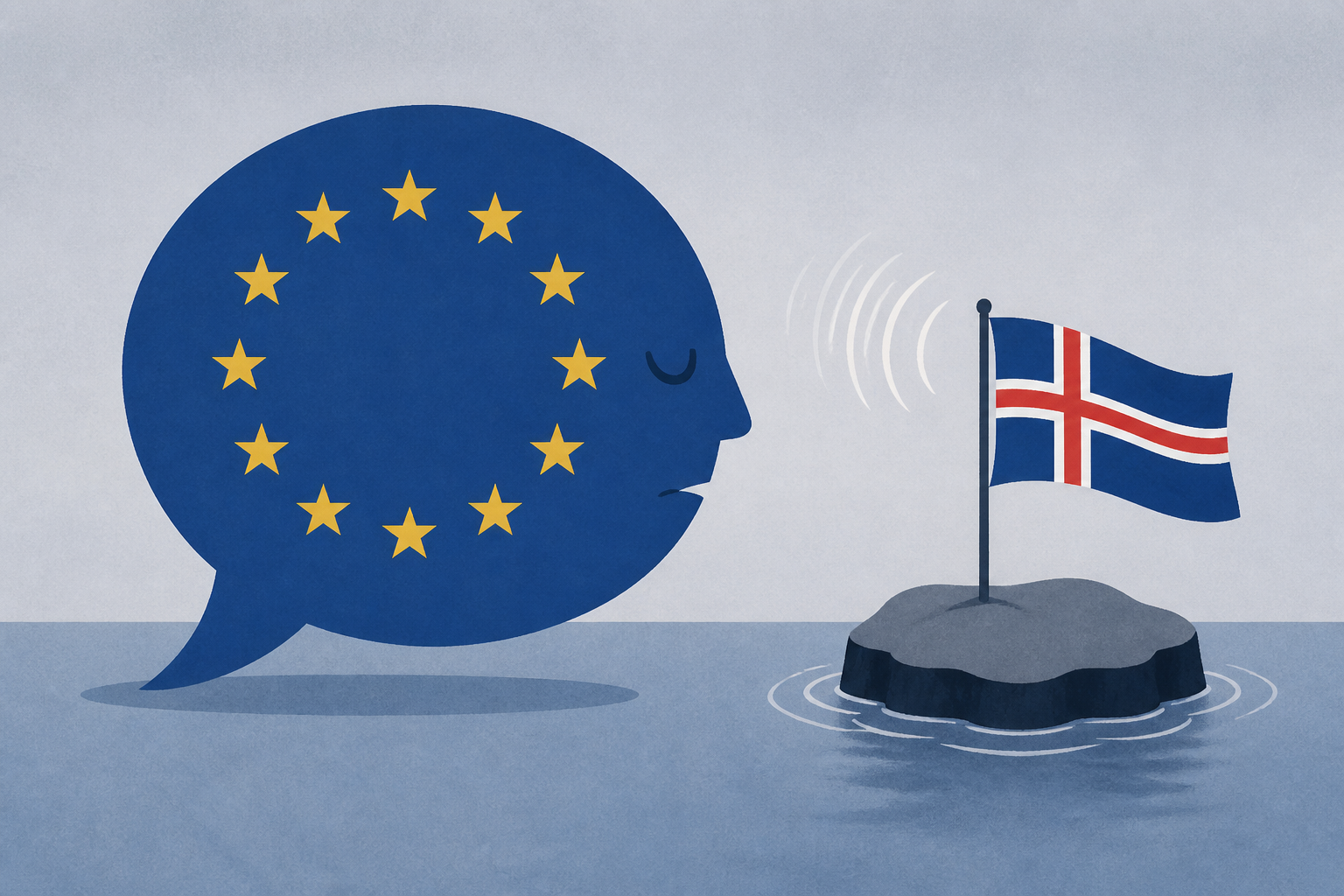
AI Generated Image
The EU gave Iceland the silent treatment. It didn't work, again
Euronews.com • • world
Key Points:
- Icelanders voted narrowly (52.8% to 47.2%) against resuming EU membership negotiations in a referendum, with EU officials responding quietly and avoiding public statements.
- The Icelandic government requested Brussels not to interfere, framing the vote as a domestic matter, while the pro-EU camp downplayed the stakes, emphasizing it was about restarting talks, not immediate membership.
- The campaign centered on economic concerns and sovereignty, with the 'No' side appealing to national identity and fears of losing control over fisheries and farming, key to rural Iceland.
- EU leaders' low-key approach mirrored the EU's handling of the Brexit referendum, drawing criticism for not actively countering misinformation and failing to engage politically in debates over EU membership.
- Experts argue the EU's reluctance to intervene may have alienated voters by appearing top-down and insensitive to national sovereignty concerns, highlighting a need for the EU to better communicate its respect for member states' identities.


