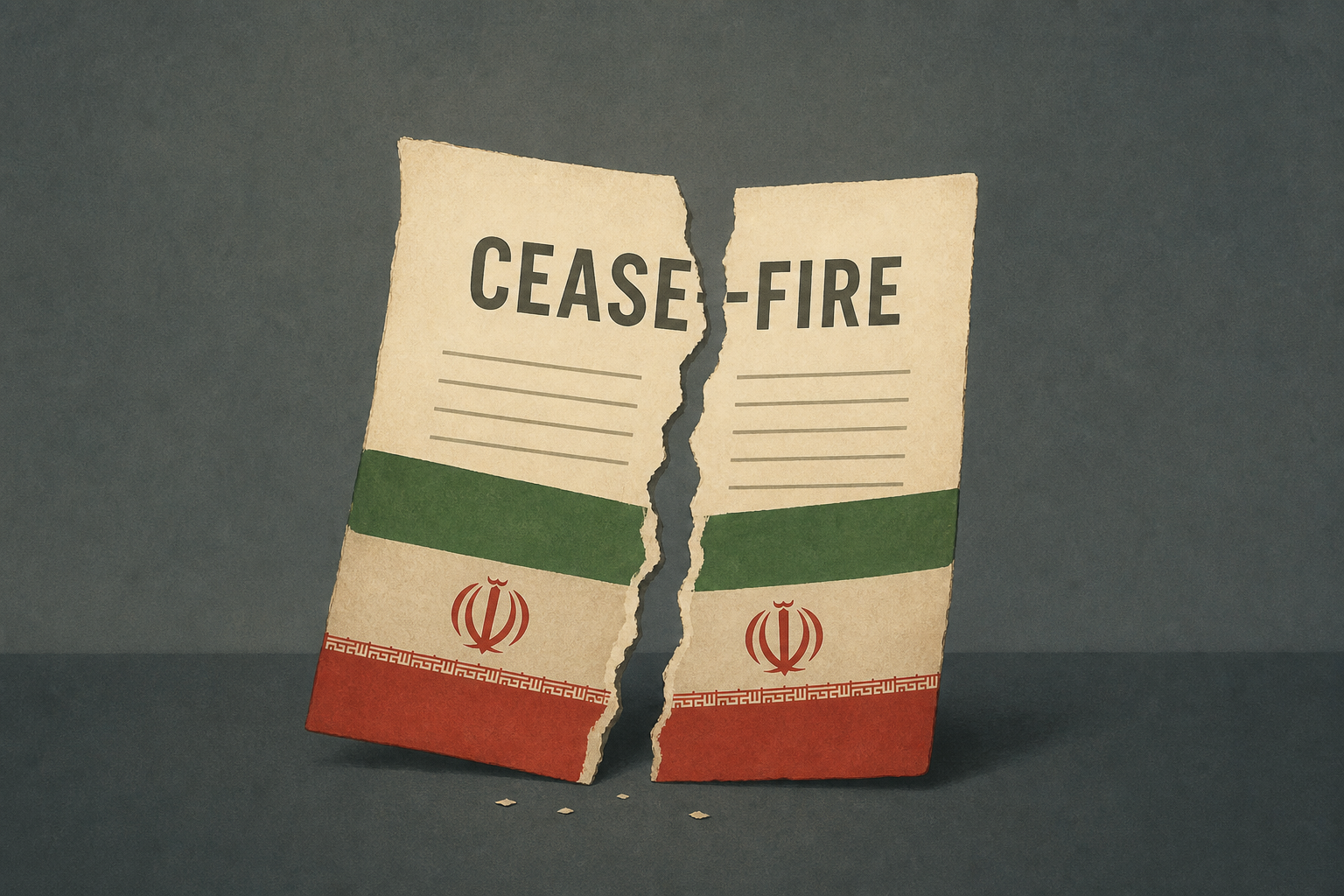
AI Generated Image
The Iran Cease-Fire Was Doomed to Fail
Foreign Affairs • • nation
Key Points:
- The memorandum of understanding between the United States and Iran, signed in June to halt fighting and reopen the Strait of Hormuz, has collapsed, with both sides resuming missile and drone attacks and commerce through the strait suspended.
- Transactional diplomacy, favored by former President Trump, focuses on short-term, standalone bargains rather than addressing the root causes of conflicts, which often leads to temporary pauses rather than lasting peace.
- The Middle East’s complex, interconnected conflicts risk escalating further without a comprehensive political process, as underlying security dilemmas between Iran, the U.S., Israel, and Gulf states remain unresolved.
- Historical parallels are drawn with pre-World War I Europe, where transactional diplomacy and lack of institutional frameworks contributed to catastrophic conflict, warning against similar patterns today in the Middle East.
- A durable solution would require a broader regional framework involving sanctions relief, verifiable nuclear concessions by Iran, security guarantees, and multilateral dialogue, but current hostilities and mistrust make such an agreement challenging.


