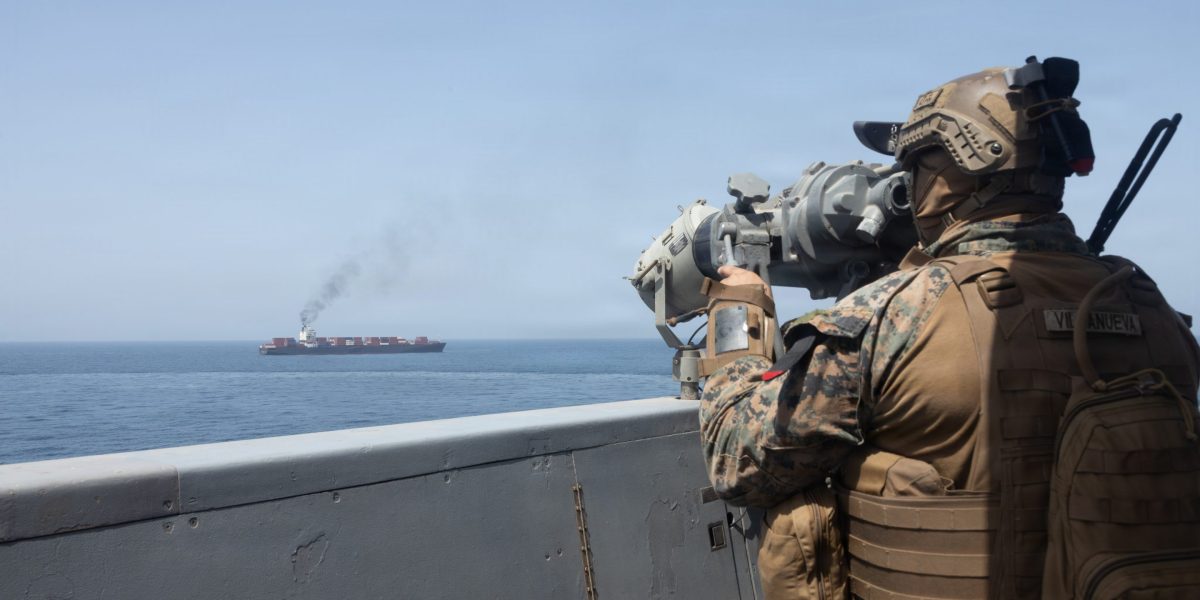
The Iran war turned the world's shipping straits into a chessboard-and the US aims to box out China
Fortune • • world
Key Points:
- The U.S. is strategically targeting critical global maritime chokepoints—including the Strait of Hormuz, Panama Canal, Greenland, Strait of Gibraltar, and Strait of Malacca—to counter China’s economic and military influence amid escalating tensions.
- The Iran conflict and Hormuz blockade represent a key U.S. move to isolate Iran and Venezuela, both major oil suppliers to China, thereby aiming to pressure China’s energy supply without direct military confrontation.
- The Trump administration’s “Donroe Doctrine” focuses on asserting U.S. dominance in the Western Hemisphere through actions such as the arrest of Venezuela’s leader, attempts to control Greenland, and regaining influence over the Panama Canal.
- Recent U.S. military partnerships with Morocco and Indonesia enhance its strategic presence near the Strait of Gibraltar and the Strait of Malacca, respectively, further challenging China’s critical shipping routes.
- Analysts caution that while the U.S.’s geopolitical strategy has clear objectives, execution flaws and weakened alliances may undermine its effectiveness, and China remains poised with significant oil reserves and renewable energy advancements to withstand prolonged tensions.


