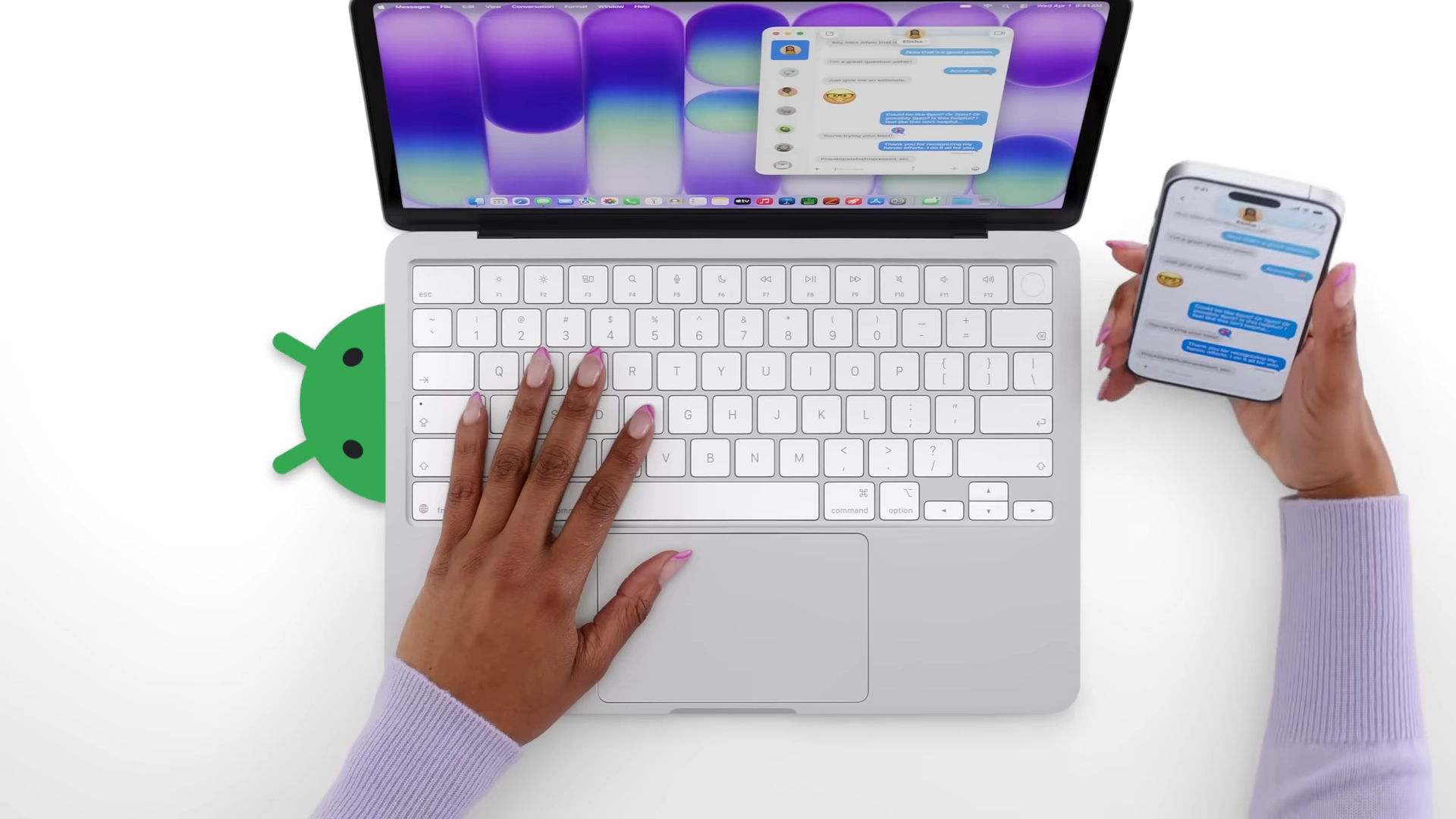
The MacBook Neo proves Apple is leaving a door wide open for Google’s ‘Aluminium OS’
Chrome Unboxed • • technology
Key Points:
- Apple launched the MacBook Neo, a $599 laptop powered by the A18 Pro chip originally designed for the iPhone 16 series, demonstrating that mobile chipsets can efficiently run macOS on a laptop.
- Despite this capability, Apple maintains a strict separation between macOS devices and iPads, refusing to merge the two platforms, which has frustrated users seeking a unified device experience.
- Google is taking a contrasting approach with Project Aluminium, developing an OS based on the Android kernel that seamlessly transitions between tablet and desktop modes, aiming to unify mobile and desktop experiences.
- Aluminium OS promises true continuity by running the same app instances across devices, combining the simplicity of Android with a full desktop environment, potentially replacing both tablets and laptops.
- Apple's insistence on platform separation protects its business model but risks losing ground to Google's unified ecosystem, which could redefine consumer expectations for versatile, multi-form-factor devices.


