AI Generated Image
The physical activity paradox: not all forms of exercise lower your dementia risk - this type raises it
The Conversation • • health
Key Points:
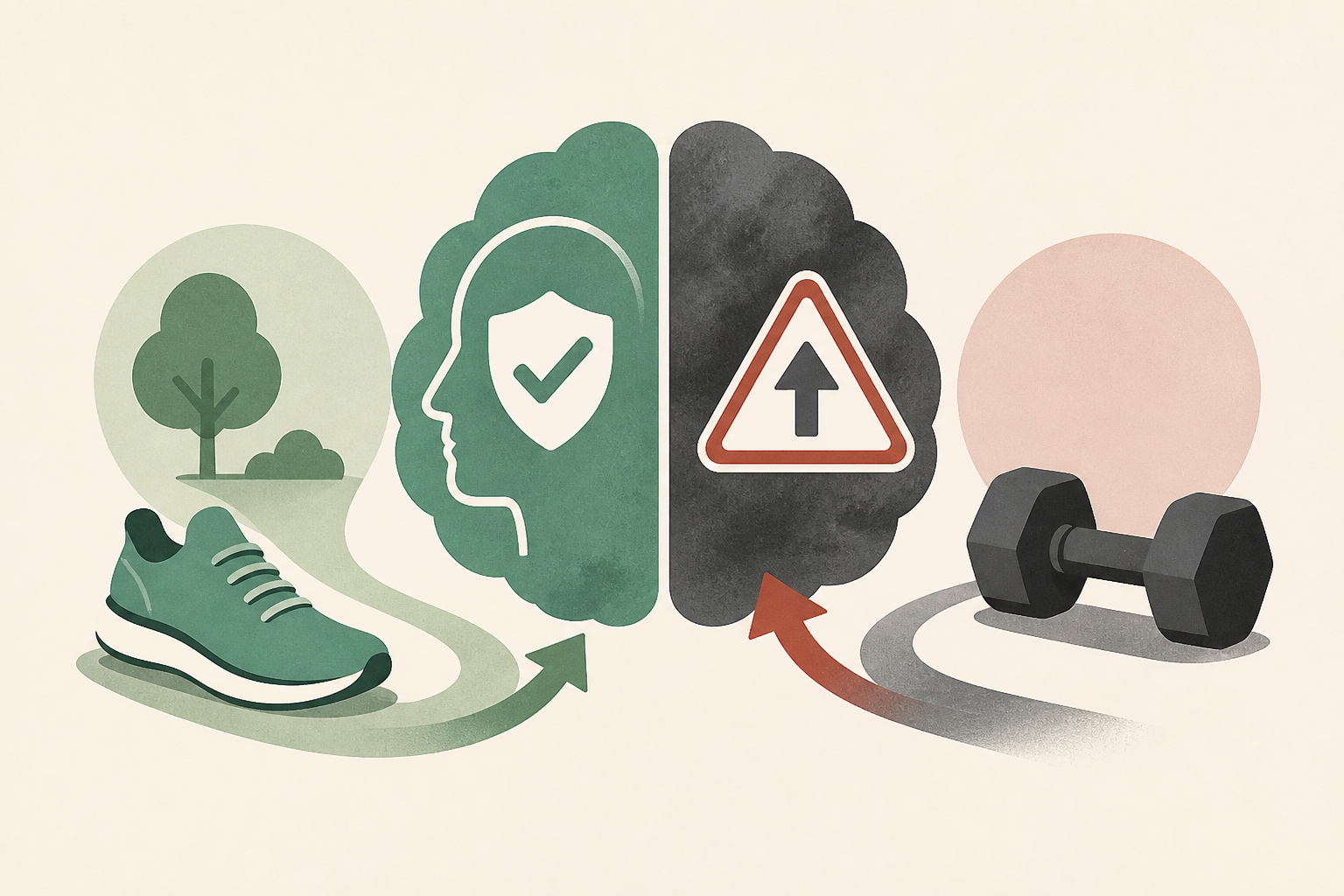
- A large review of 74 studies involving over 4.2 million people found that leisure-time physical activity, such as sports or dancing, is linked to a 24% lower risk of dementia, while occupational physical activity is associated with a 20% increased risk.
- Physical activity protects the brain by improving blood flow, reducing inflammation, and promoting new brain cell growth, which supports the World Health Organization's dementia prevention guidelines emphasizing reduced inactivity.
- Studies show that even moderate leisure exercise, like walking or gardening, significantly lowers dementia risk, but physical activity at work or during active commuting may not offer the same benefits and could increase risk due to factors like pollution and job stress.
- The "physical activity paradox" suggests that work-related physical activity does not provide the same brain protection as leisure activity, potentially due to differences in education, environmental exposures, and socioeconomic factors.
- Researchers highlight the need for more studies in low-income countries and emphasize that unequal access to leisure time and safe environments for exercise may contribute to disparities in dementia risk worldwide.


