AI Generated Image
The poorest in the US can’t find housing even as low-income units sit empty
AP News • • business
Key Points:
- The U.S. faces a severe shortage of affordable housing for extremely low-income renters, with only about 4 million units available for 11 million households earning below poverty guidelines or 30% of area median income (AMI).
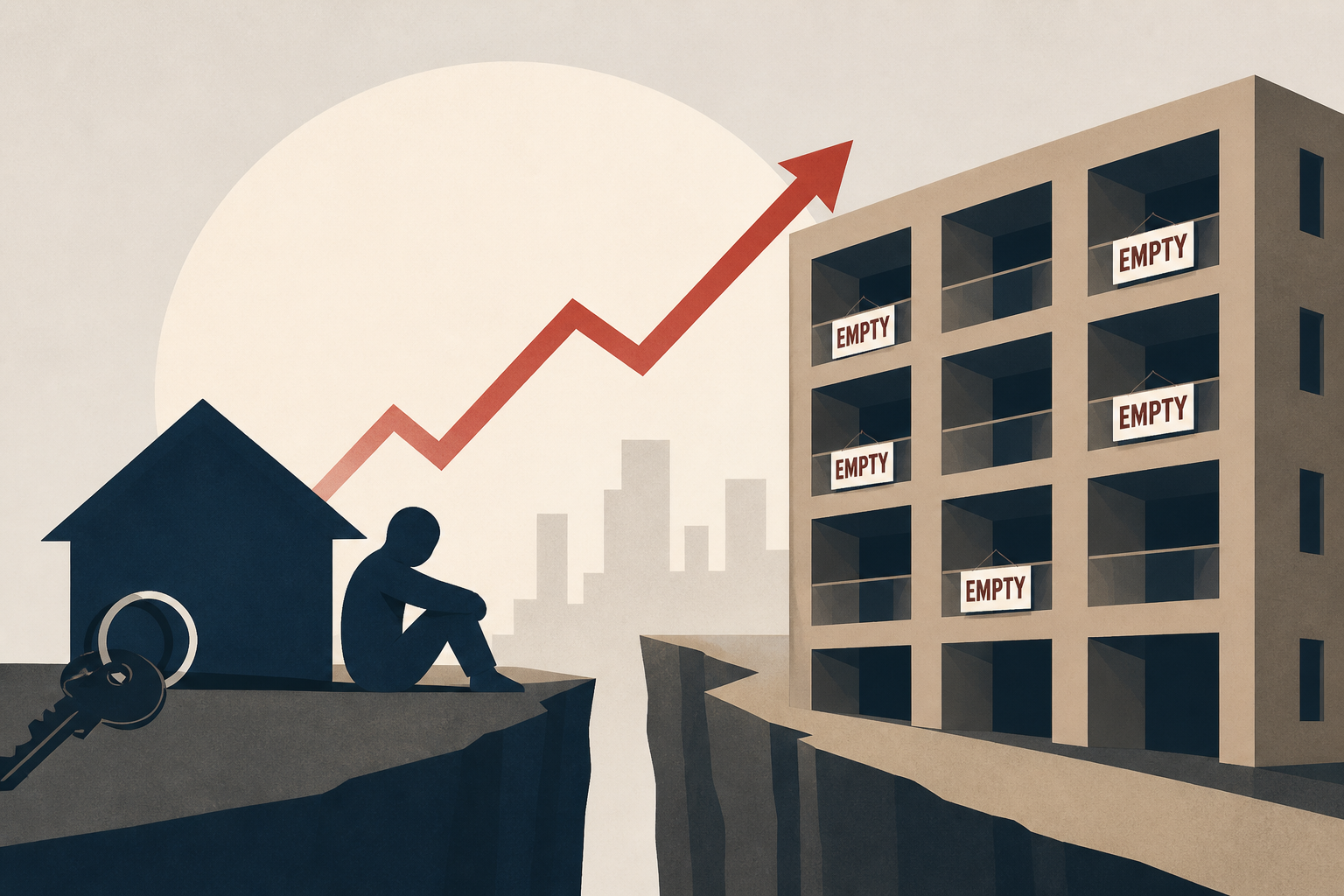
- Most newly financed affordable housing targets individuals earning 50% or more of AMI, leaving the poorest unable to afford these units, which often sit vacant as rents approach market rates.
- The Low-Income Housing Tax Credit program, while funding nearly 4 million units over 40 years, is criticized for complexity and inefficiency, and experts suggest direct housing vouchers might better serve the lowest-income renters.
- Cities like Austin, Denver, and Portland report rising vacancies in affordable housing units due to competition with market-rate apartments that offer faster approval and less stringent income verification.
- Efforts to build housing for extremely low-income residents lag behind targets, as seen in Austin where only a small fraction of planned units for this group have been completed, exacerbating homelessness and housing insecurity.


