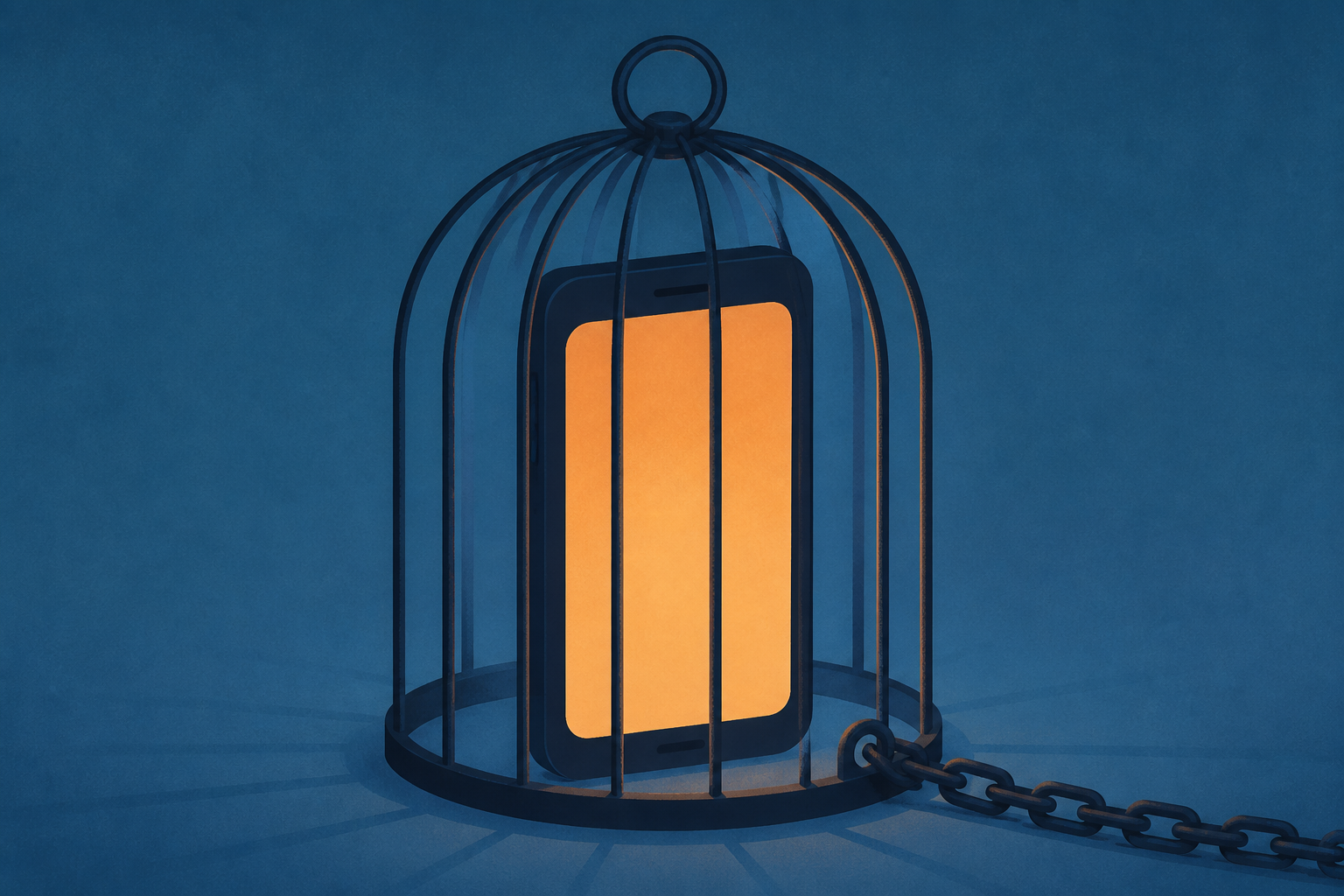
AI Generated Image
The smartphone trap we built for ourselves
vox.com • • technology
Key Points:
- Over the past decade, smartphones have become essential for everyday activities such as reading menus, entering events, parking, receiving packages, and accessing services, making it difficult to live without one.
- Heavy smartphone use has been linked to negative effects on well-being, attention spans, and relationships, prompting some to seek digital detoxes and simpler "dumb phone" alternatives.
- Meta recently agreed to a $12.1 billion settlement over claims it designed addictive features targeting children, introducing new restrictions for younger users, but broader systemic changes are needed beyond algorithm reforms.
- The shift to smartphone-dependent services has been driven by convenience, cost-cutting, data collection, and control, but it disproportionately harms vulnerable groups like the elderly, disabled, and low-income individuals who may lack access.
- Advocates call for preserving non-smartphone options to ensure accessibility and agency, citing examples like laws banning cashless establishments and European efforts to maintain offline access to essential services.


![[Spoilers] Persona 6 Achievement List Potentially Revealed](https://media-cdn.cashwalklabs.io/https%3A%2F%2Fs3.us-west-2.amazonaws.com%2Fimages.cashwalklabs.io%2F0_admin%2Fnews-ai-images%2F01a083ea-11ea-710b-b249-3599ed72a42f.webp?format=webp&w=120&h=80)


