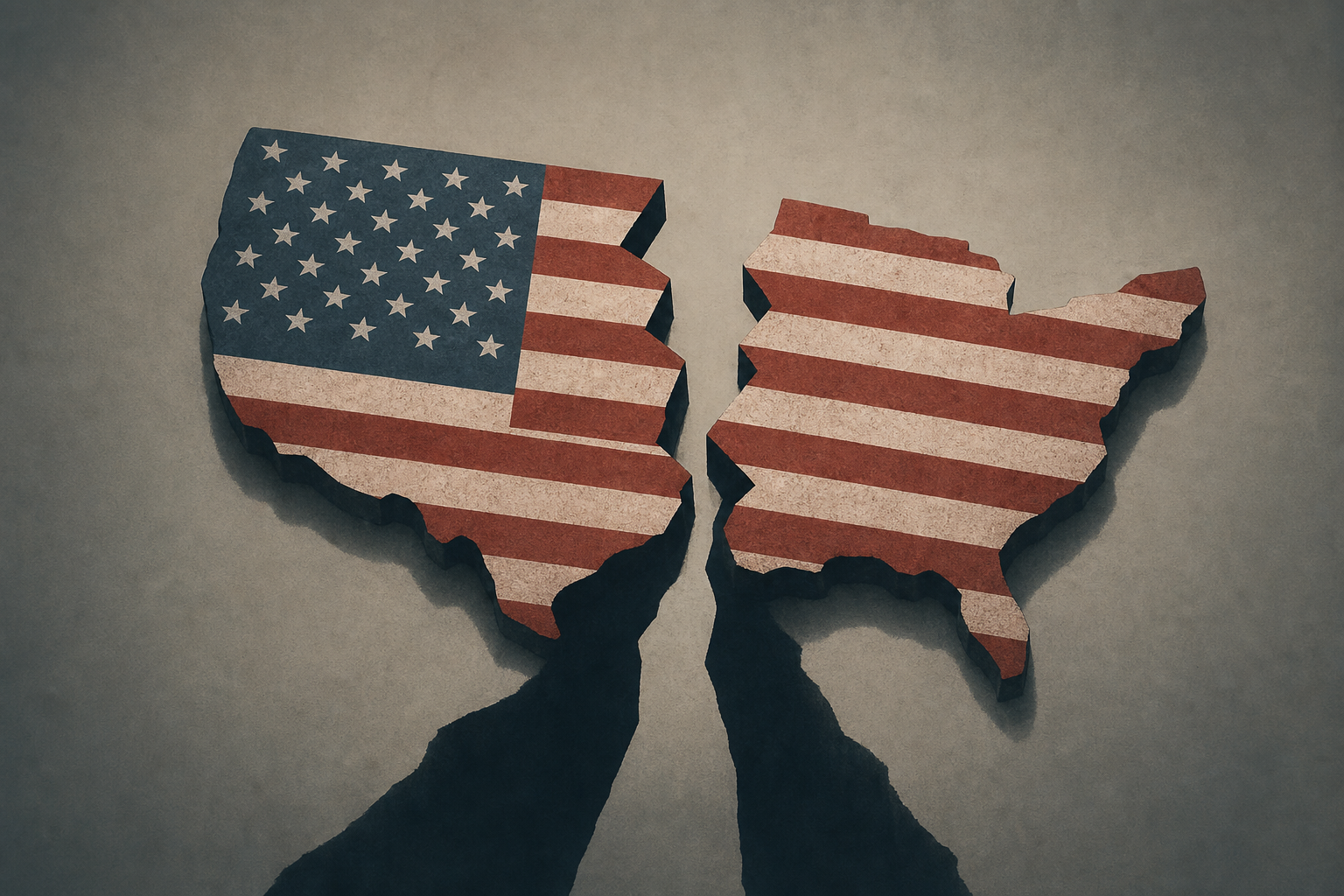
AI Generated Image
The United States of Betrayal
The Intercept • • world
Key Points:
- President Trump’s 2023 call for Iranians to rise against their regime was a hollow promise, reflecting a longstanding pattern of U.S. betrayal of allies rather than genuine support for freedom.
- Historically, the U.S. has repeatedly abandoned allies, including Native American tribes after the Revolutionary War, Filipino veterans post-World War II, and Vietnamese and Cambodian forces during and after the Vietnam War, often leading to devastating consequences for those allies.
- The U.S. also betrayed Kurdish allies multiple times throughout the 20th and 21st centuries, notably abandoning them after they helped dismantle ISIS and failing to support uprisings against oppressive regimes, resulting in significant Kurdish losses and suffering.
- Other examples include the U.S. failing to support the Hungarian uprising in 1956, the Bay of Pigs invasion in 1961 where Cuban exiles were left unsupported, and the chaotic withdrawal from Afghanistan in 2021 that left many local allies behind to face persecution.
- This pattern of betrayal underscores a broader theme that the U.S. often uses smaller or weaker allies as disposable proxies in its geopolitical strategies, raising skepticism about American promises of support and friendship worldwide.


