AI Image
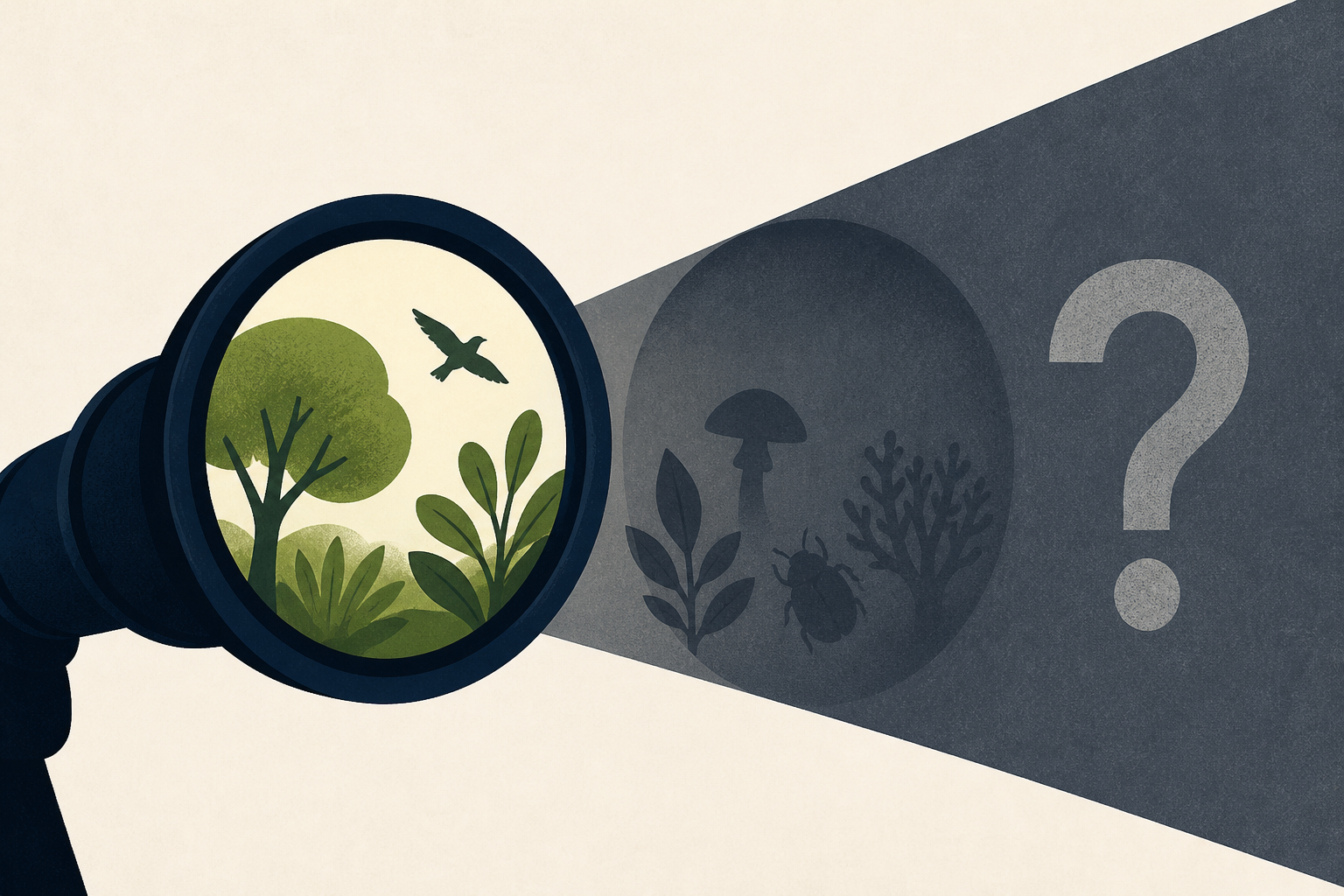
There’s a hidden bias affecting what we know - and don’t know - about nature
The Conversation • • world
Key Points:
- Research in ecology and evolution shows a significant bias toward studying vertebrates, which make up only 5% of animal species, while the majority of species— invertebrates—are underrepresented despite their abundance.
- This bias has persisted and even worsened over the past two decades, influenced by scientists' emotional preferences and societal perceptions of animals, often favoring "cute" or familiar species like birds and mammals over less popular groups such as arachnids.
- Scientists’ choices are shaped by early-life perceptions and reinforced by social media and news coverage, leading to a cycle where popular animals receive disproportionate attention from both researchers and the public.
- The undervaluation of less charismatic species is problematic, as many overlooked organisms have led to major scientific breakthroughs and hold potential benefits for humanity, yet many invertebrates face rapid declines and extinction before being studied.
- Increasing exposure and familiarity with neglected species can improve appreciation and research interest, but addressing biases requires more support from governments and institutions to fund research on understudied and neglected animal groups.


