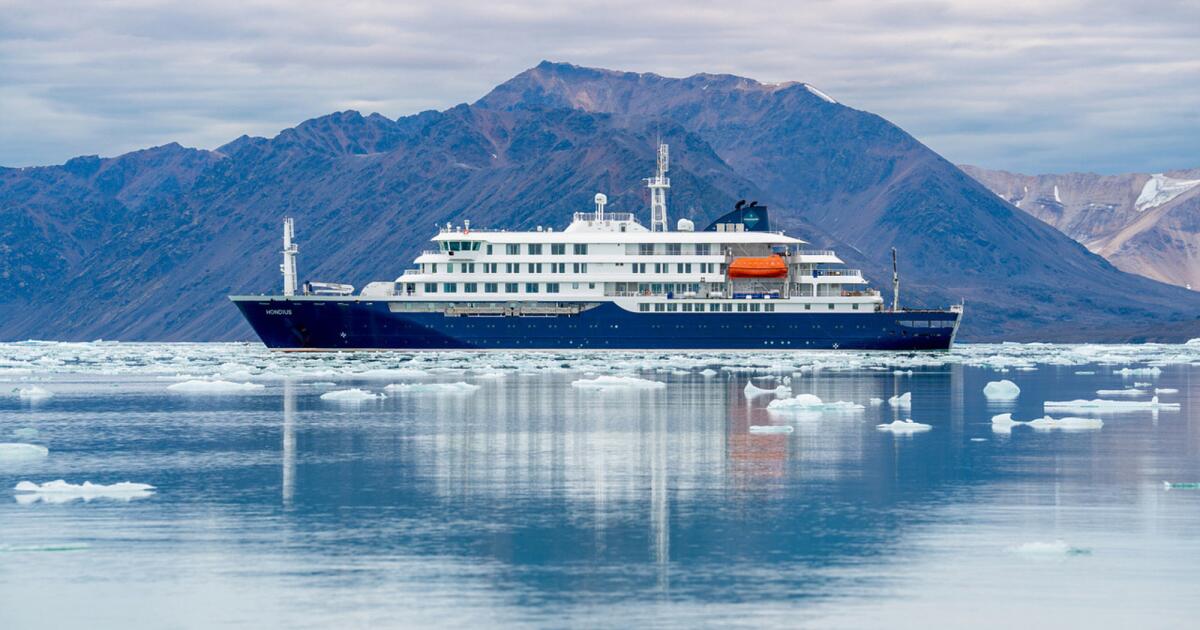
They boarded a luxury cruise ship. Then hantavirus took a deadly toll
Los Angeles Times • • world
Key Points:
- Three passengers aboard the luxury cruise ship MV Hondius have died from suspected hantavirus infections, with additional crew members and a passenger hospitalized, raising concerns about the disease's spread on board.
- Hantavirus, which has a high fatality rate in the Americas (up to 50%), is typically transmitted through inhalation of virus-contaminated rodent excretions, but the Andes virus strain can also spread human-to-human; the specific strain involved in this outbreak remains unknown.
- The MV Hondius, operated by Oceanwide Expeditions, was en route from Antarctica to Cape Verde when the outbreak occurred, and investigations are ongoing to determine whether transmission was due to rodent exposure on the ship or person-to-person contact.
- There is no vaccine or specific antiviral treatment for hantavirus, and severe cases require intensive care such as extracorporeal membrane oxygenation (ECMO); climate change may increase hantavirus risk by expanding rodent populations and habitats.
- While hantavirus cases in the U.S. average around 30 annually, the recent cruise ship outbreak highlights the potential for rare but deadly diseases to impact global travel and public health.


