'They could spend 4 or 5 hours per day underwater': How humans adapted to the most challenging environments
Live Science • • general
Key Points:
- Humans have adapted biologically to diverse environments worldwide, with localized adaptations such as those enabling survival at high altitudes driven by sustained environmental pressures.
- The uniquely low position of the human larynx, which increases choking risk, evolved as a trade-off to enable complex speech, a key advantage for social communication despite its dangers.
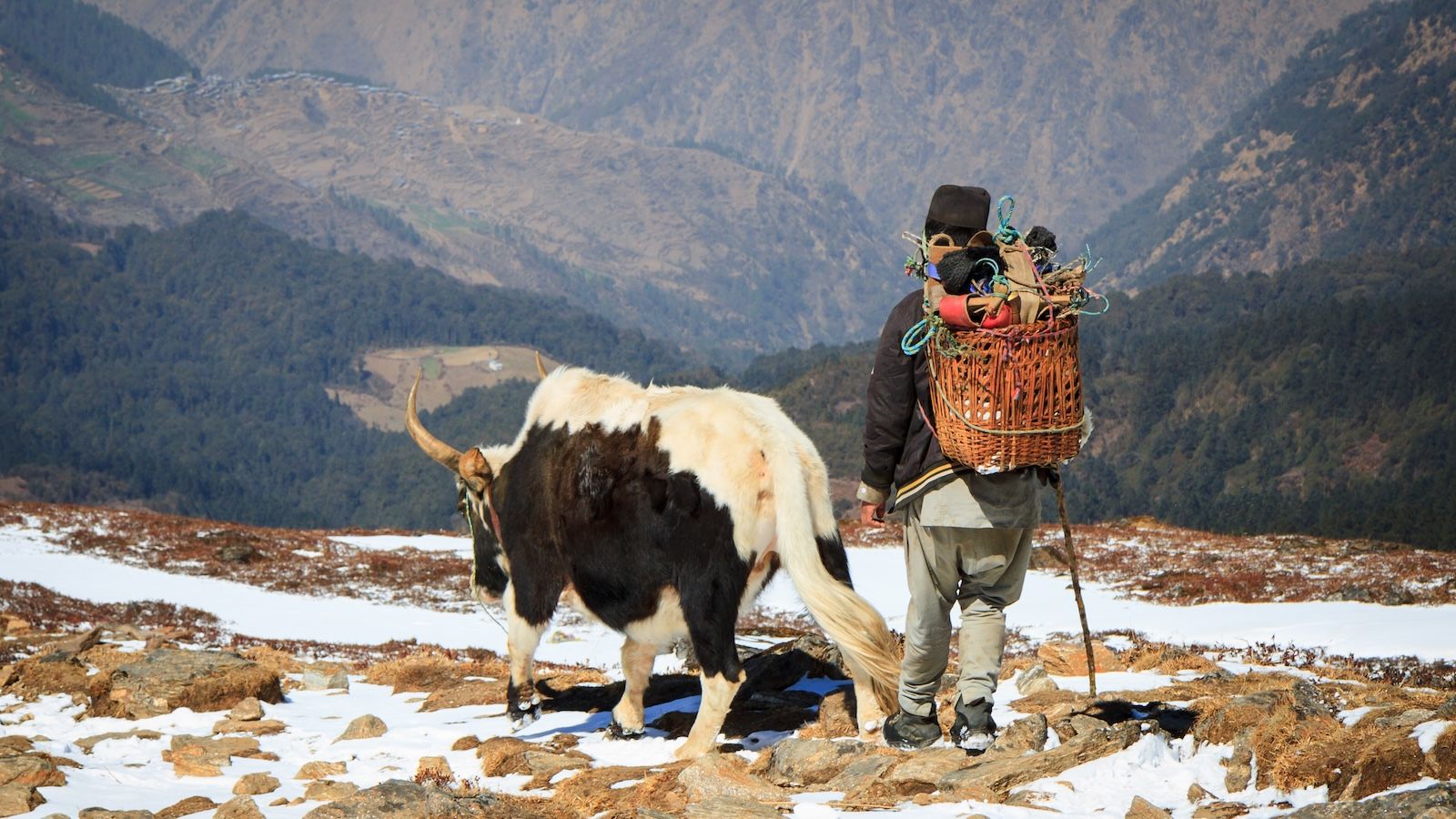
- High-altitude adaptations vary by population: Andean natives have increased red blood cells and larger lungs but still suffer altitude sickness, while Himalayan populations possess a Denisovan-derived EPAS1 gene variant that reduces red blood cell production, preventing sickness.
- Genetic interbreeding with archaic human species like Denisovans introduced beneficial alleles, such as the EPAS1 variant in Himalayan populations, illustrating how ancient gene flow contributed to modern human adaptability.
- The Sama people of Southeast Asia exhibit genetic adaptations for diving, including a PDE10A gene variant that enlarges the spleen to enhance oxygen storage, demonstrating evolutionary responses to prolonged underwater foraging.


.png?format=webp&w=120&h=80)


