AI Image
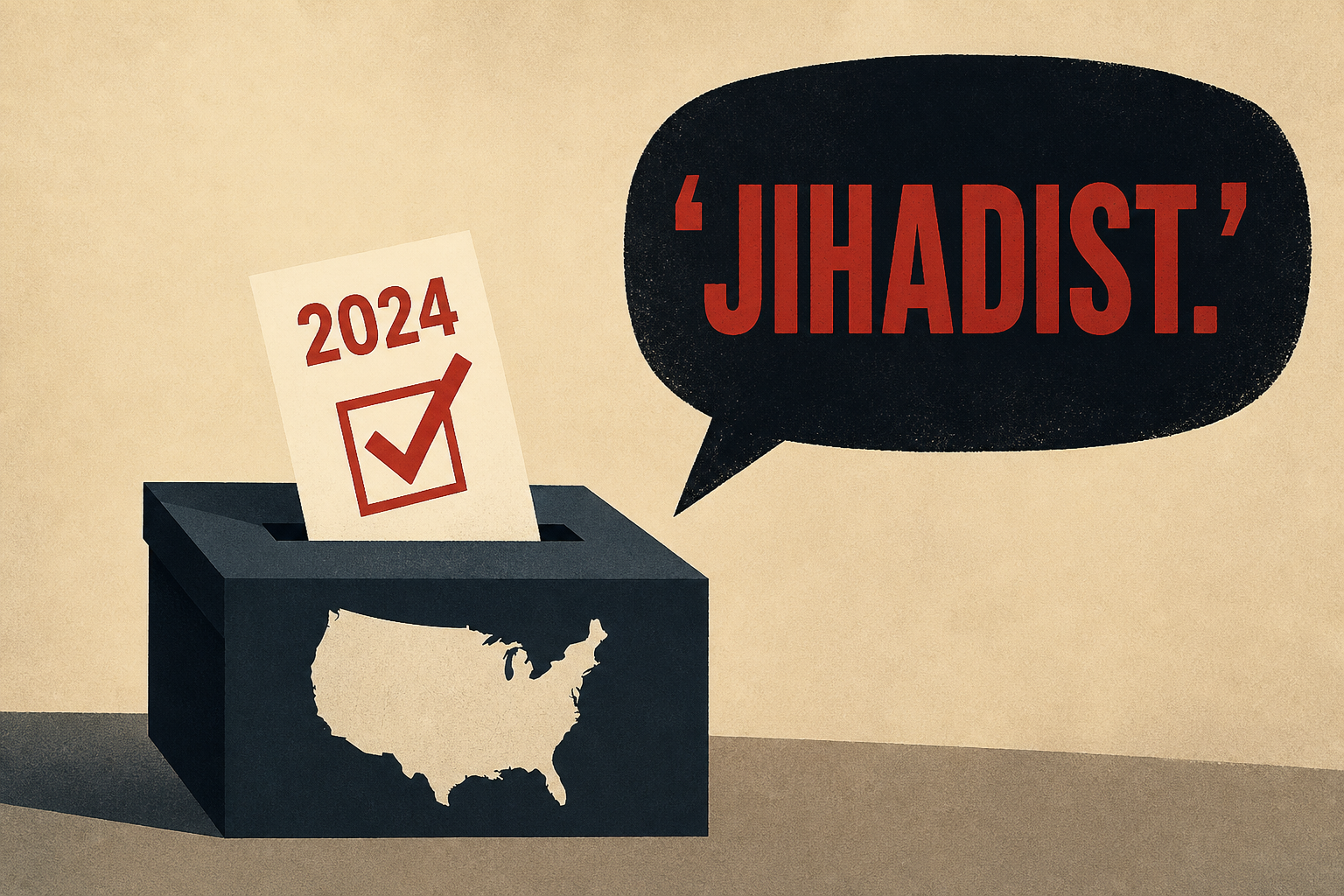
They voted for Trump in 2024. Now he’s calling their Senate candidate a ‘jihadist.’
MS NOW • • nation
Key Points:
- Abdul El-Sayed faces intense attacks from Republicans, who accuse him of extremist ties, with the National Republican Senatorial Committee spending $1.5 million on ads labeling him a national security threat.
- El-Sayed and his supporters condemn these attacks as Islamophobic and harmful to Arab and Muslim voter engagement, fearing long-term negative effects on these communities' political participation.
- Republican officials deny Islamophobia accusations, emphasizing outreach efforts to Muslim voters and distancing their campaign from faith-based attacks, though some acknowledge challenges in engaging these groups.
- The race between El-Sayed and his Republican opponent Rogers is tight, with significant implications for how parties engage Arab and Muslim voters depending on the election outcome.
- El-Sayed criticizes the focus on his religion and name as distractions from economic issues like rising gas and grocery prices, highlighting broader voter concerns beyond identity politics.


