AI Image
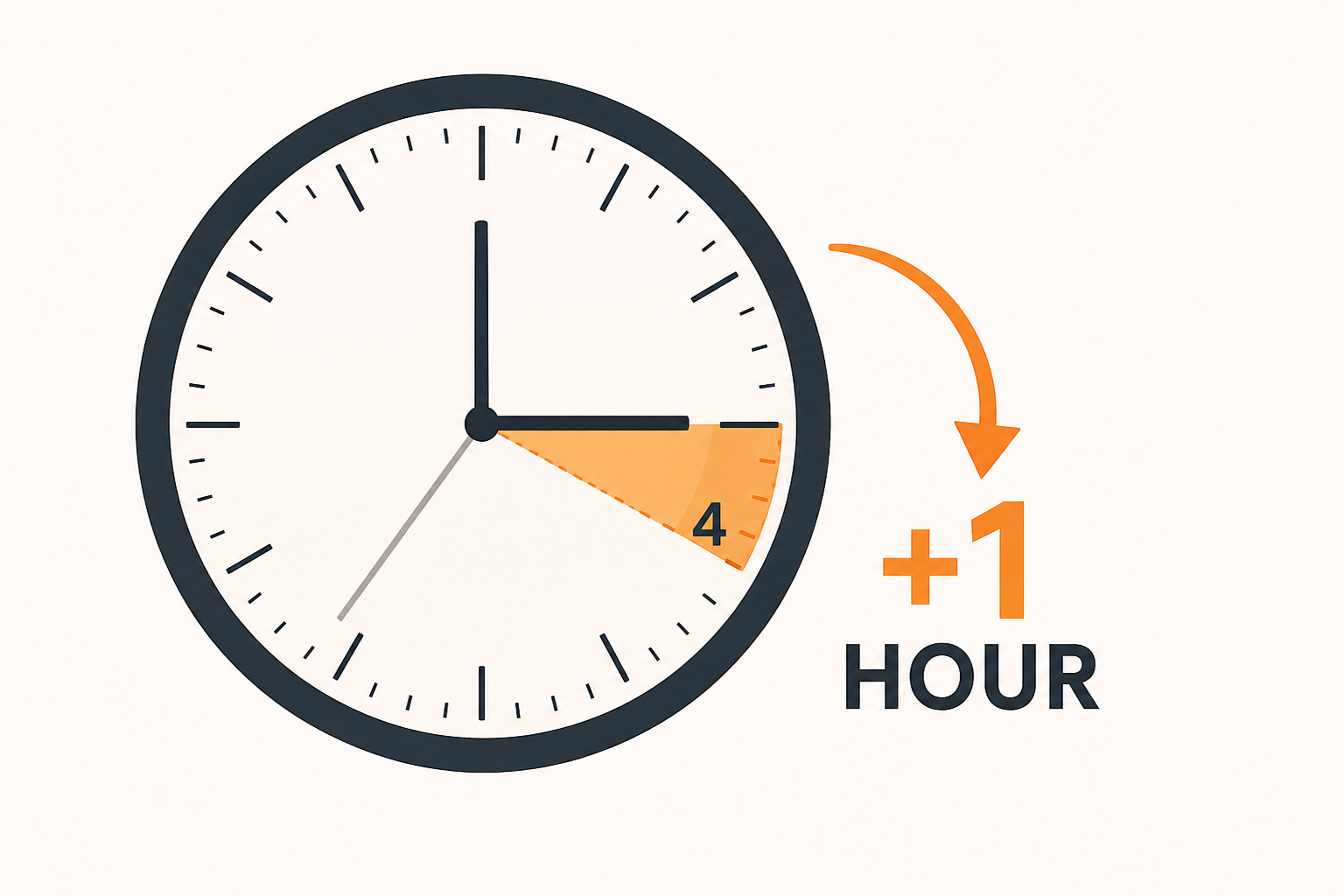
Time’s up for the leap second as scientists swap it for the leap hour
The Guardian • • general
Key Points:
- The International Bureau of Weights and Measures voted to replace the leap second with a leap hour starting next year, aiming to reduce technical issues caused by irregular minute lengths in computer systems.
- Leap seconds, introduced since 1972 to keep atomic time aligned with Earth's rotation, have caused software failures and network outages, including incidents affecting Reddit, LinkedIn, and Qantas flights.
- The Earth's rotation variability, including recent speeding up, raised concerns about the need for negative leap seconds, which pose even greater risks to untested systems.
- The leap hour allows coordinated universal time (UTC) to drift up to an hour from astronomical time, a discrepancy unlikely to require correction for thousands of years, effectively postponing the problem.
- While some countries like the UK and Russia opposed the change due to historical and technical reasons, experts view the decision as a practical step to safeguard modern infrastructure and defer complex timing adjustments to the distant future.


