To save salmon, a tribe near Seattle is flooding farmland : NPR
NPR • • nation
Key Points:
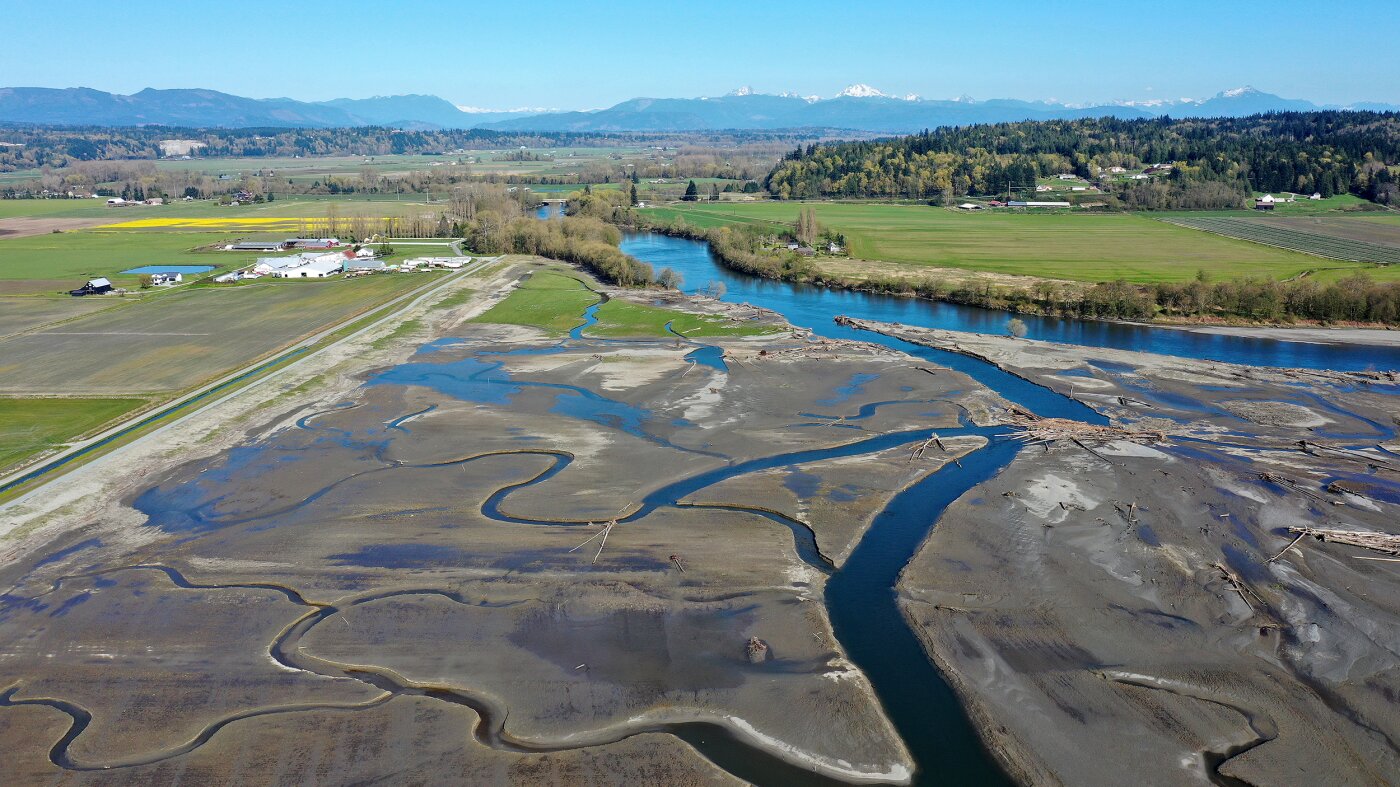
- The Stillaguamish Tribe removed two miles of earthen levee at the mouth of the Stillaguamish River, restoring 230 acres of tidal marsh to support Chinook salmon habitat, a species federally listed as threatened in Puget Sound.
- This restoration project, named zis a ba 2, reconnects the river to its floodplain for the first time in 140 years, enhancing ecological benefits such as shorebird populations and improving flood management by allowing floodwaters to spread out.
- The tribe has purchased 2,000 acres over 15 years to restore fish and wildlife habitat, despite limited reservation land and historical land losses from the 1855 Treaty of Point Elliott.
- Local farmers express concerns about land use tradeoffs between agriculture and habitat restoration, emphasizing the importance of levees for protecting farmland and communities from flooding.
- The tribe’s new levee is taller and set farther back to reduce flood damage, aiming to balance salmon recovery efforts with protecting farms and infrastructure amid increasing flood risks due to climate change.


 { path { fill: %23EEEFE9 } })