AI Image
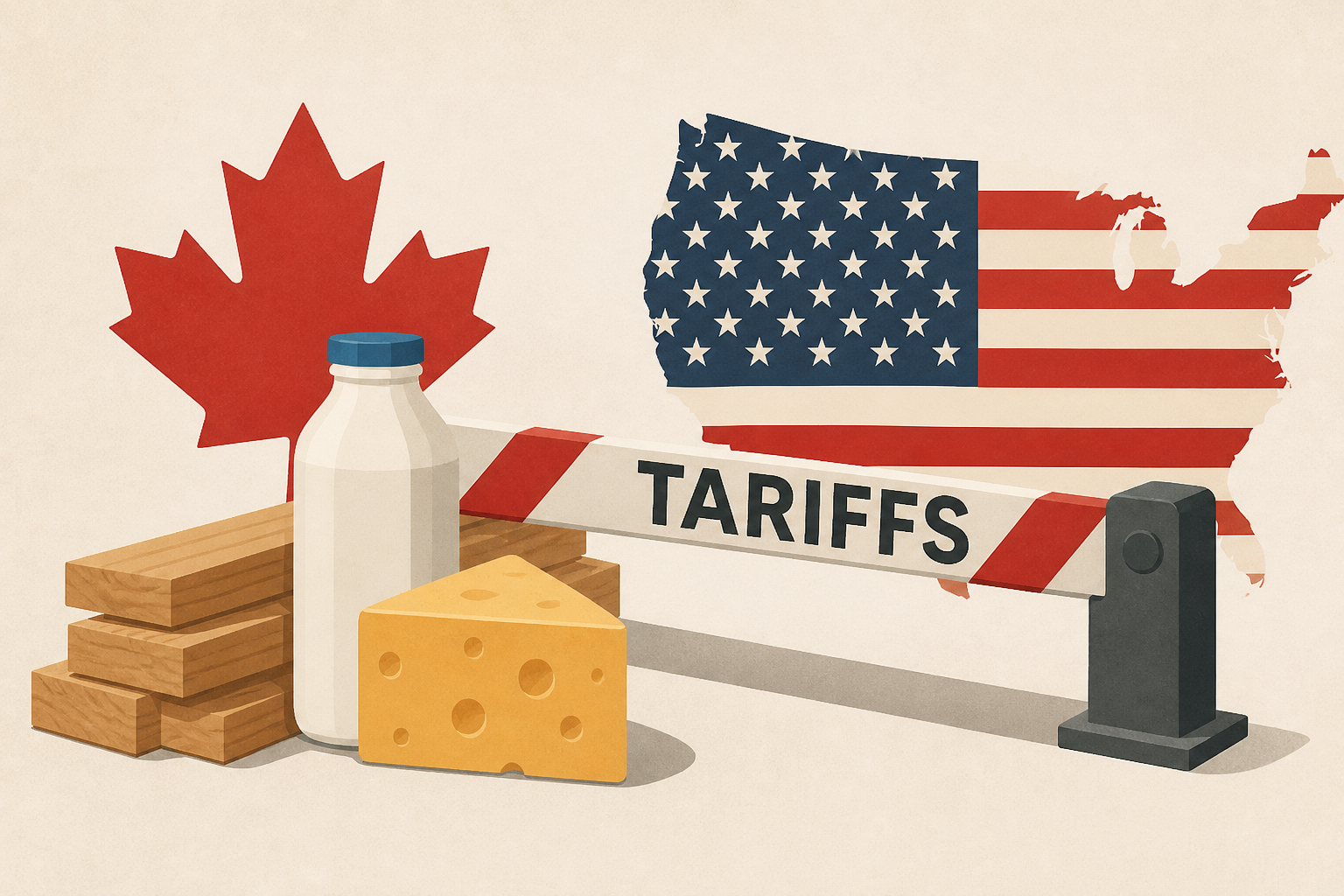
Trump's Canada tariffs put dairy, lumber and market access at risk
Fox News • • nation
Key Points:
- U.S. tariffs on about $20 billion of Canadian goods, including steel, aluminum, lumber, and automobiles, have significantly reduced Canadian exports and hurt production and jobs in affected industries.
- Canadian consumers face rising costs, with overall prices 3% higher than the previous year, and tariff-impacted goods experiencing price increases roughly 6% above similar non-tariffed products.
- The trade dispute largely centers on U.S. complaints about Canadian dairy tariffs, which are higher than those on other products, though dairy makes up a small portion of the overall U.S.-Canada trade relationship.
- Experts note that most U.S.-Canada trade was duty-free before 2025 and that the Trump administration has so far refused to resolve politically sensitive disputes, despite the broader benefits of free trade in sectors like fertilizer, energy, and lumber.
- The trade tensions coincide with rising energy prices, partly due to the Iran conflict, compounding economic pressures on consumers and businesses by increasing costs across transportation and production.


