AI Image
UC study finds pancreatic cancer tumor differences in Black patients
Fox News • • health
Key Points:
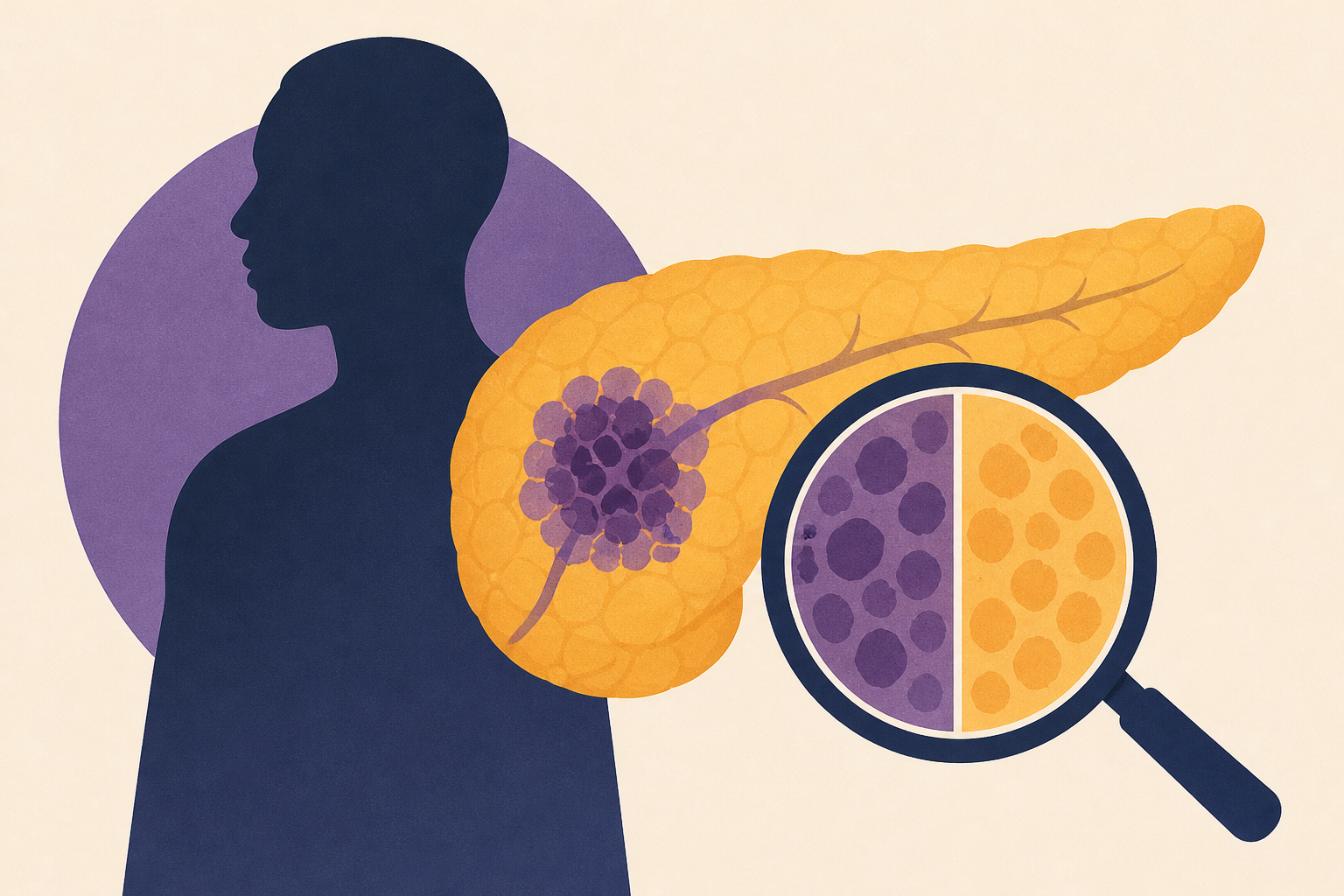
- A University of Cincinnati study found differences in pancreatic tumors between Black and non-African American patients, including variations in cancer cell types and immune cell presence, which may influence treatment responses.
- Tumors from Black patients had fewer common pancreatic cancer cells but more mixed-characteristic cells linked to drug resistance, as well as increased B cells that might suppress immune response, though the impact on outcomes remains unclear.
- The study found no significant racial differences in major genetic mutations driving pancreatic cancer, but highlighted the complexity of tumor behavior influenced by immune cells and surrounding tissue.
- Researchers emphasize the importance of including diverse patient populations in cancer research to better understand disparities and develop personalized treatments, while noting that current findings are preliminary and require larger studies.
- Experts advise that hereditary genetic testing be offered to newly diagnosed patients to identify inherited mutations, and stress the need for clinical trials that represent all affected populations to improve treatment efficacy.


