AI Image
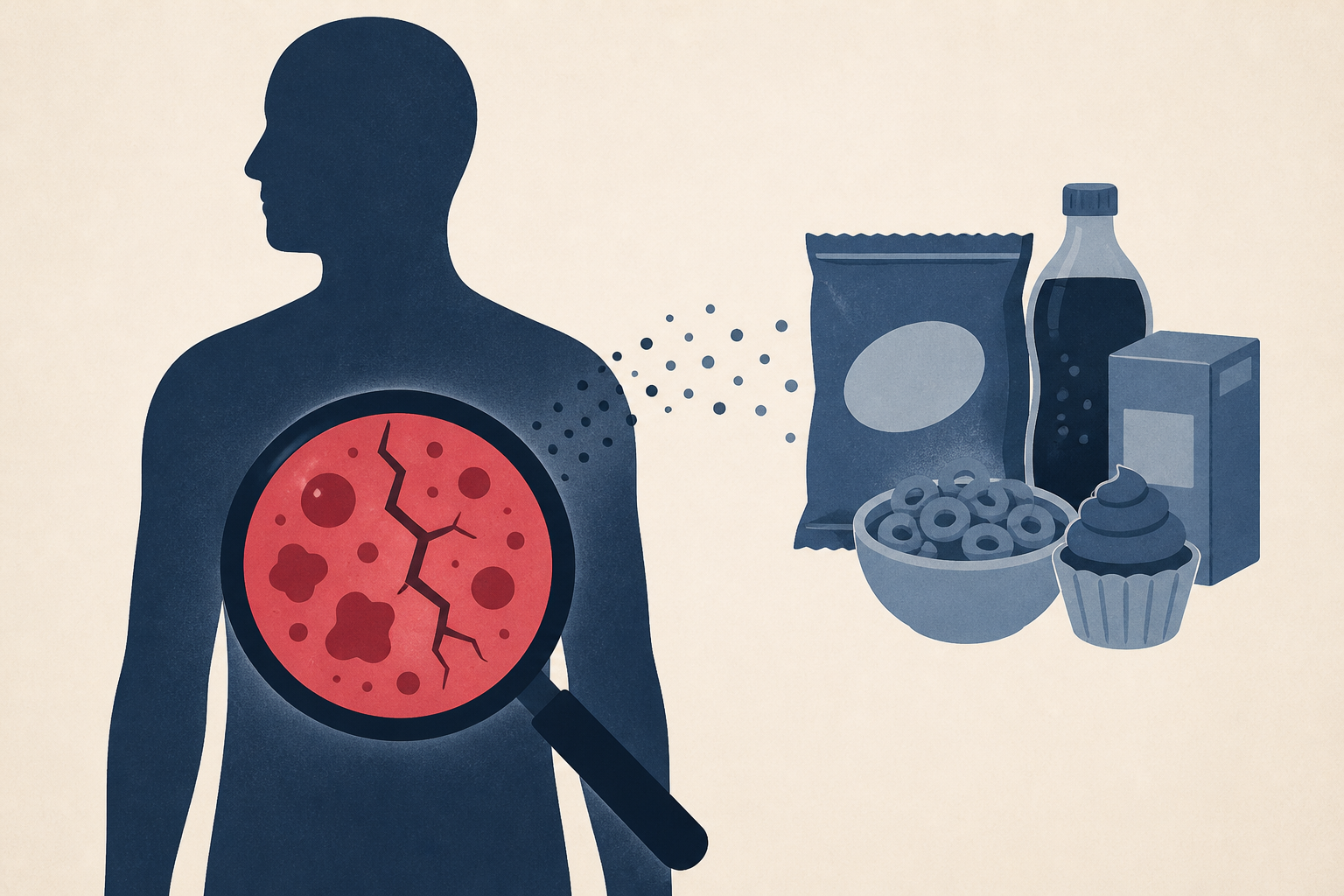
Ultra-processed foods causing hidden damage in healthy adults, researchers caution
New York Post • • health
Key Points:
- A Canadian study involving about 9,000 healthy adults found a correlation between high consumption of ultra-processed foods and small areas of brain damage detectable by MRI, which may precede stroke and memory problems.
- Participants with the highest intake of ultra-processed foods, including soft drinks and packaged snacks, were 40% more likely to show brain changes, with women showing nearly twice the likelihood compared to those with the lowest intake.
- The study also noted that higher consumption of ultra-processed foods was associated with increased body and visceral fat, and a decrease in nutrient-dense whole foods like fruits and vegetables.
- Researchers caution that the study’s cross-sectional design cannot confirm causation, highlighting the need for long-term studies to assess whether reducing ultra-processed food intake can prevent brain changes.
- Ultra-processed foods, which are high in sodium, saturated fats, and added sugars but low in essential nutrients, accounted for about 25% of daily intake among study participants, reflecting a widespread dietary pattern linked to potential brain health risks.


