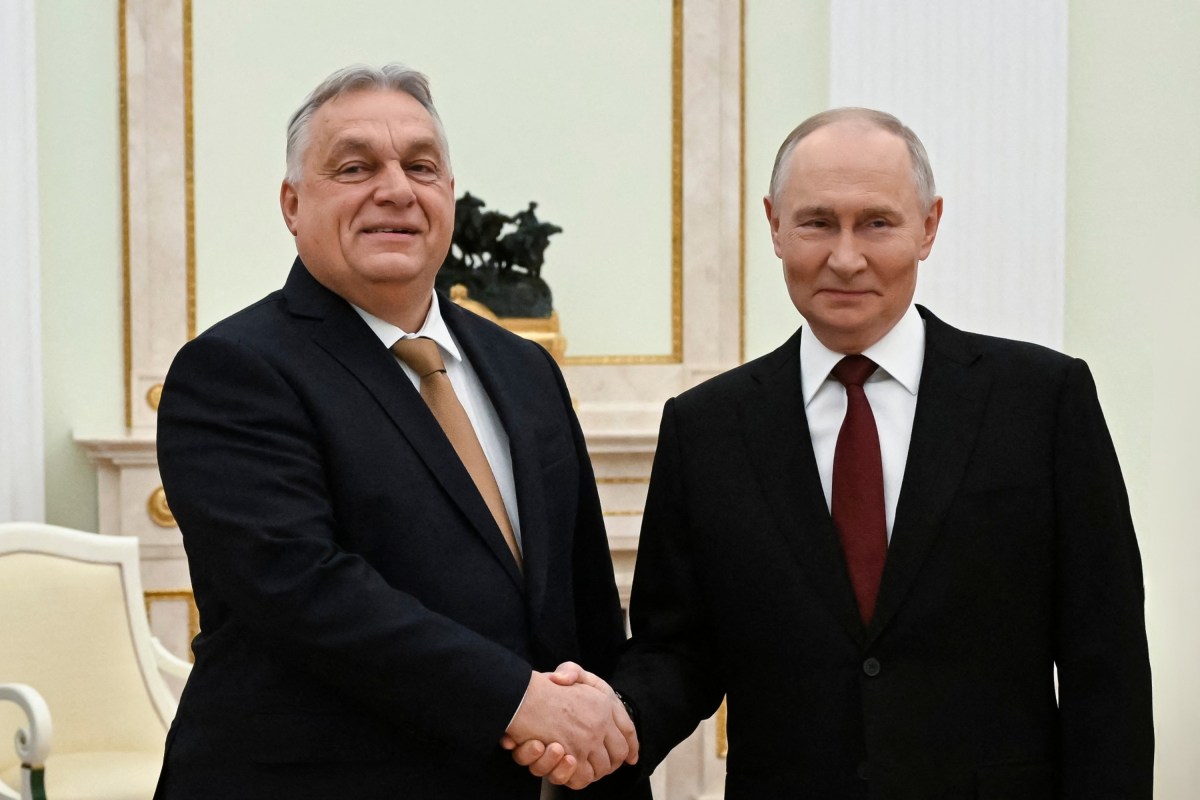
Uncommon Knowledge: Even With Orbán Gone, Hungary Can’t Cut Russian Ties
Newsweek • • world
Key Points:
- Viktor Orbán’s electoral defeat in Hungary was celebrated by Kyiv and European NATO capitals as a potential pivot away from pro-Russian policies, with Péter Magyar promising a pro-EU, anti-Kremlin stance.
- Despite Orbán’s departure, Hungary remains heavily dependent on Russian energy, with Russian crude oil accounting for over 92% of Hungary’s imports in 2025, reflecting deep structural and logistical ties beyond political leadership.
- Hungary’s natural gas dependency on Russia remains around 97.6%, supported by a 15-year Gazprom contract and infrastructure that cannot be quickly altered, limiting immediate strategic shifts.
- The country’s electricity system also relies significantly on imports, with about 20% of electricity coming from abroad, underscoring Hungary’s constrained energy sovereignty and the complexity of disentangling from Russian supply.
- While Magyar may adopt a more cooperative diplomatic tone with the EU and the West, the entrenched energy infrastructure and contracts mean Hungary’s relationship with Russian energy is unlikely to change rapidly or dramatically.


