AI Generated Image
Unpaid wages and deadly risk: Why health workers are threatening to abandon the Ebola response
cnn.com • • health
Key Points:
- The Democratic Republic of Congo (DRC) is facing its largest Ebola outbreak ever, with 3,874 infections and 1,751 deaths since mid-May, primarily in Ituri province's capital, Bunia, where health workers like nurse Micheline Kayimpa are on the front lines.
- The outbreak involves the less common Bundibugyo strain, lacking proven vaccines and with limited treatment options, and is exacerbated by ongoing conflict, weak health infrastructure, and deep community mistrust, leading to attacks on Ebola treatment centers.
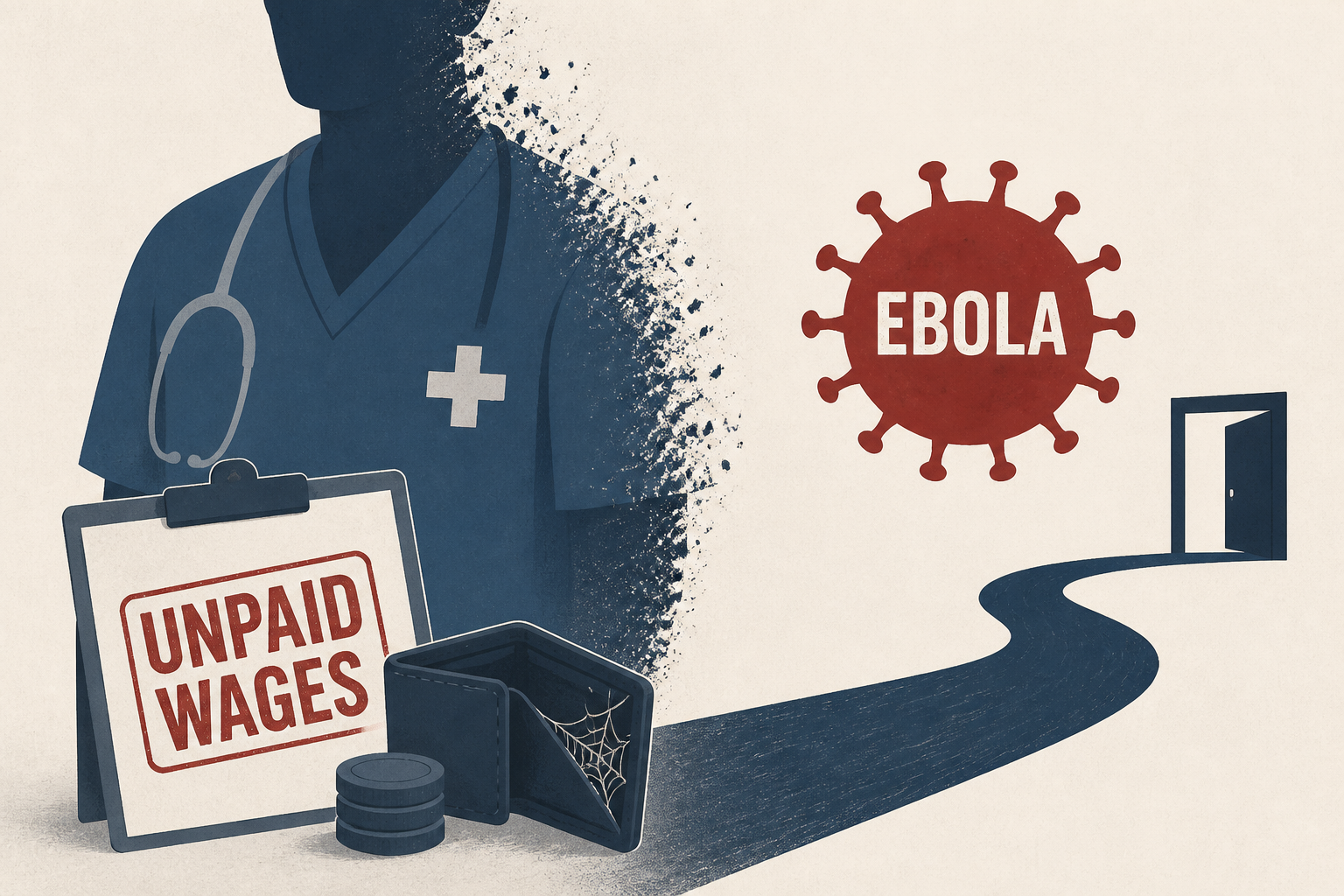
- Health workers face not only the risk of infection but also delayed government wages, with many, including Kayimpa, protesting unpaid salaries, which threatens to disrupt the response effort amid growing case numbers.
- Aid organizations emphasize the critical role of frontline workers and the need for timely payment, adequate protective equipment, and support to prevent interruptions in care that could allow the virus to spread further.
- The situation highlights the complex challenges of managing an Ebola outbreak in conflict-affected areas, where mistrust, misinformation, and logistical hurdles hinder containment efforts and endanger both patients and health personnel.


