AI Generated Image
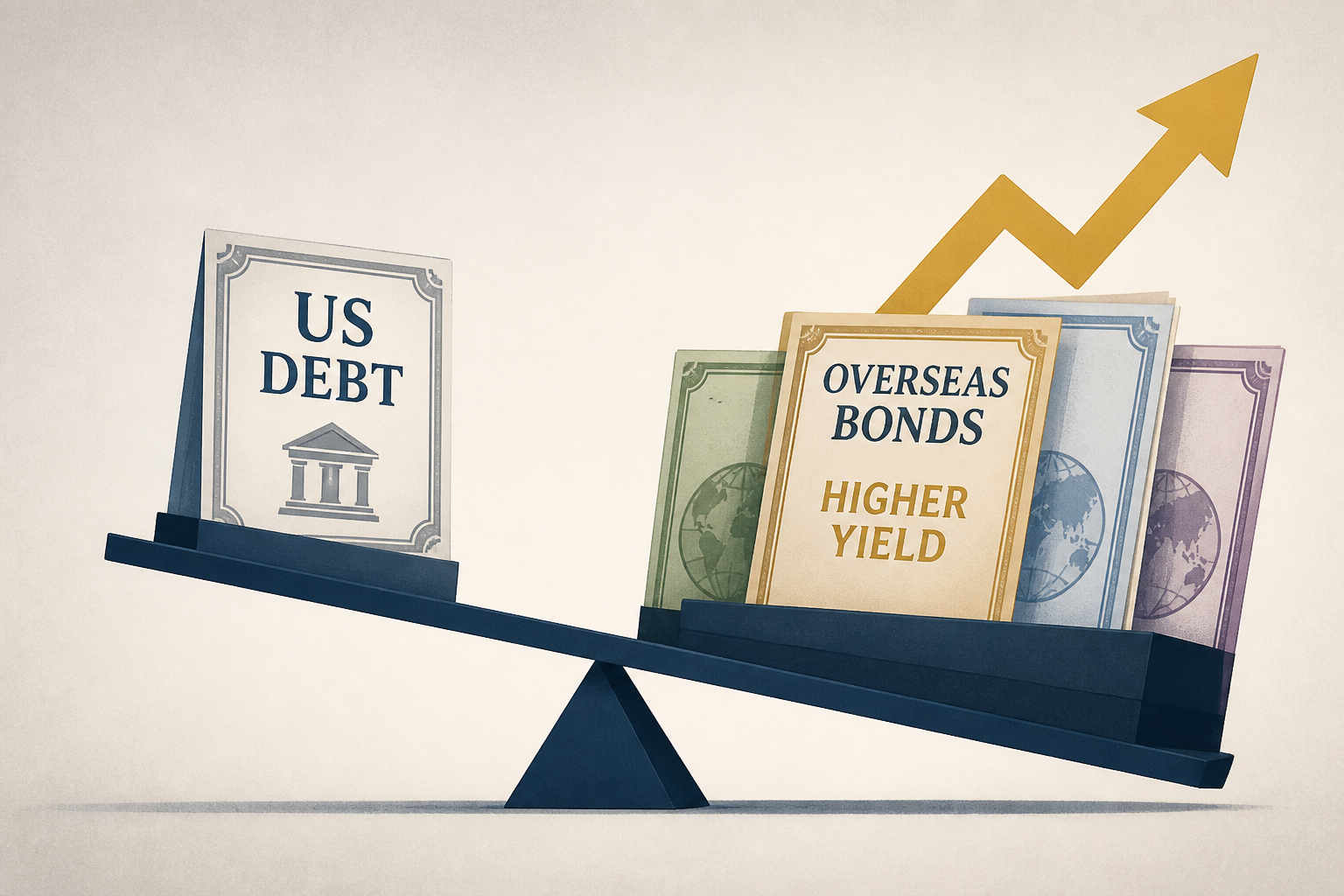
US debt faces more competition from higher-yielding bonds overseas than in recent decades
Fortune • • business
Key Points:
- Rising U.S. Treasury bond yields have prompted an unusual government intervention to curb borrowing costs, raising concerns about potential slowdowns in consumer spending and government financing.
- The U.S. bond market, the largest globally at $31.5 trillion, faces increased competition from higher-yielding foreign bonds, pushing U.S. yields higher as investors seek better returns abroad.
- Higher Treasury yields have directly impacted mortgage rates, making home loans more expensive and potentially discouraging homebuyers, while also influencing borrowing costs for credit cards, auto loans, and savings rates.
- Increased yields mean the U.S. government must pay more interest on its growing $40 trillion debt, with interest expenses already surpassing major budget categories like health and defense.
- Despite rising yields and ongoing debt concerns, there is no current evidence of a market panic or tipping point, as global bond yields are climbing broadly and default risk measures remain stable.


