AI Generated Image
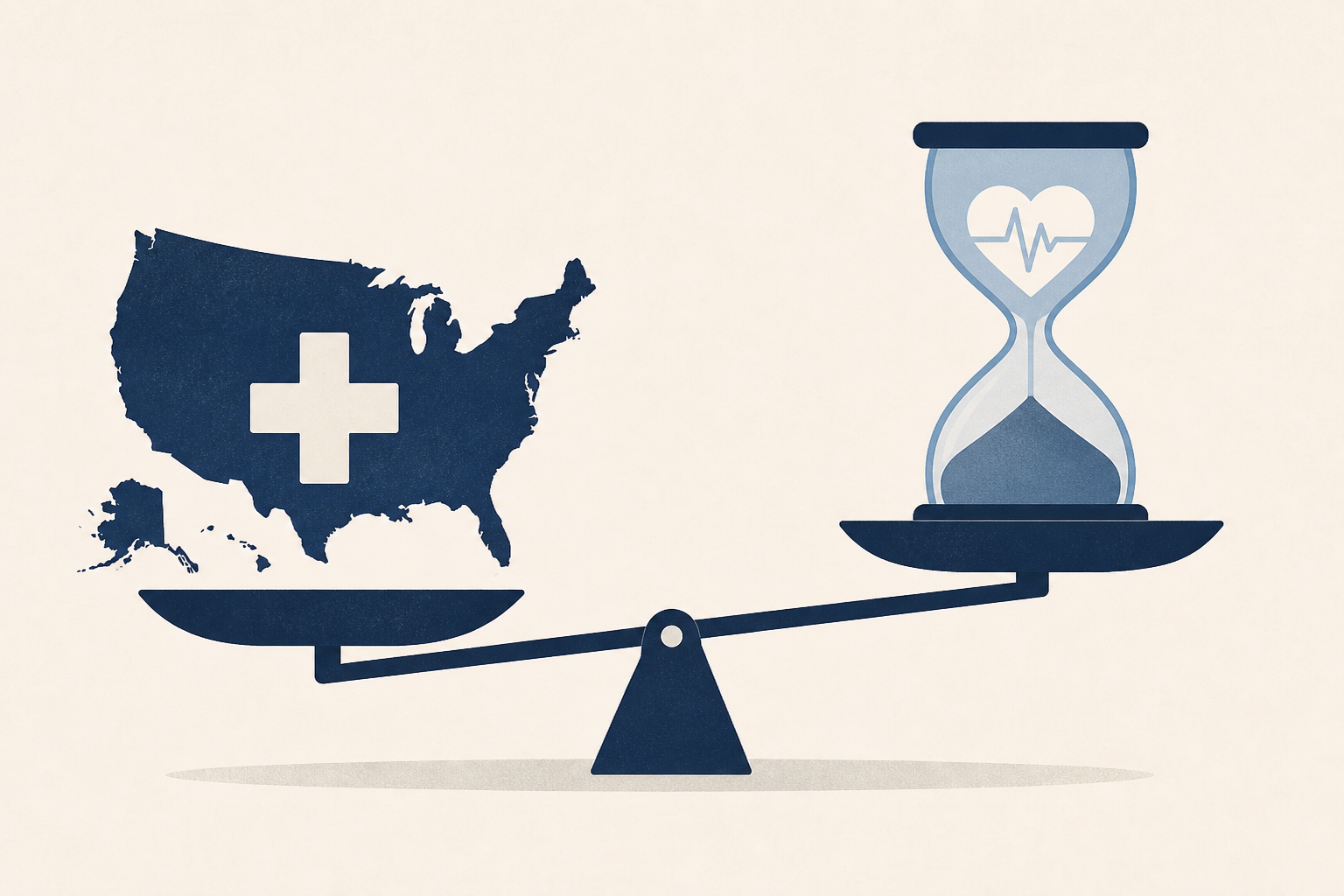
US has the widest morbidity gap as people live longer in poor health
Fox News • • health
Key Points:
- A global study found that while life expectancy has increased from 64.6 years in 1990 to 73.8 years in 2023, the number of years spent in poor health, or the "morbidity gap," has also widened, with people living longer but facing more chronic health issues.
- The morbidity gap is most pronounced in wealthier countries like the United States, where it averages about 14 years or 17.8% of the expected lifespan, largely due to chronic conditions such as low back pain, hearing loss, depression, and other non-communicable diseases.
- Researchers emphasize the need to focus on increasing "healthspan"—the years lived in good health—through prevention, long-term disease management, and addressing functional decline early, rather than solely extending lifespan.
- Experts highlight the importance of preserving physical function, mental health, and social connections in healthy aging, noting that interventions like resistance training, fall prevention, and addressing loneliness and depression can improve quality of life and independence.
- Cultural and social factors also play a significant role in healthy aging, with active community involvement and a sense of purpose potentially protecting against isolation and mental decline, especially in contrast to the social isolation often experienced by older Americans.


