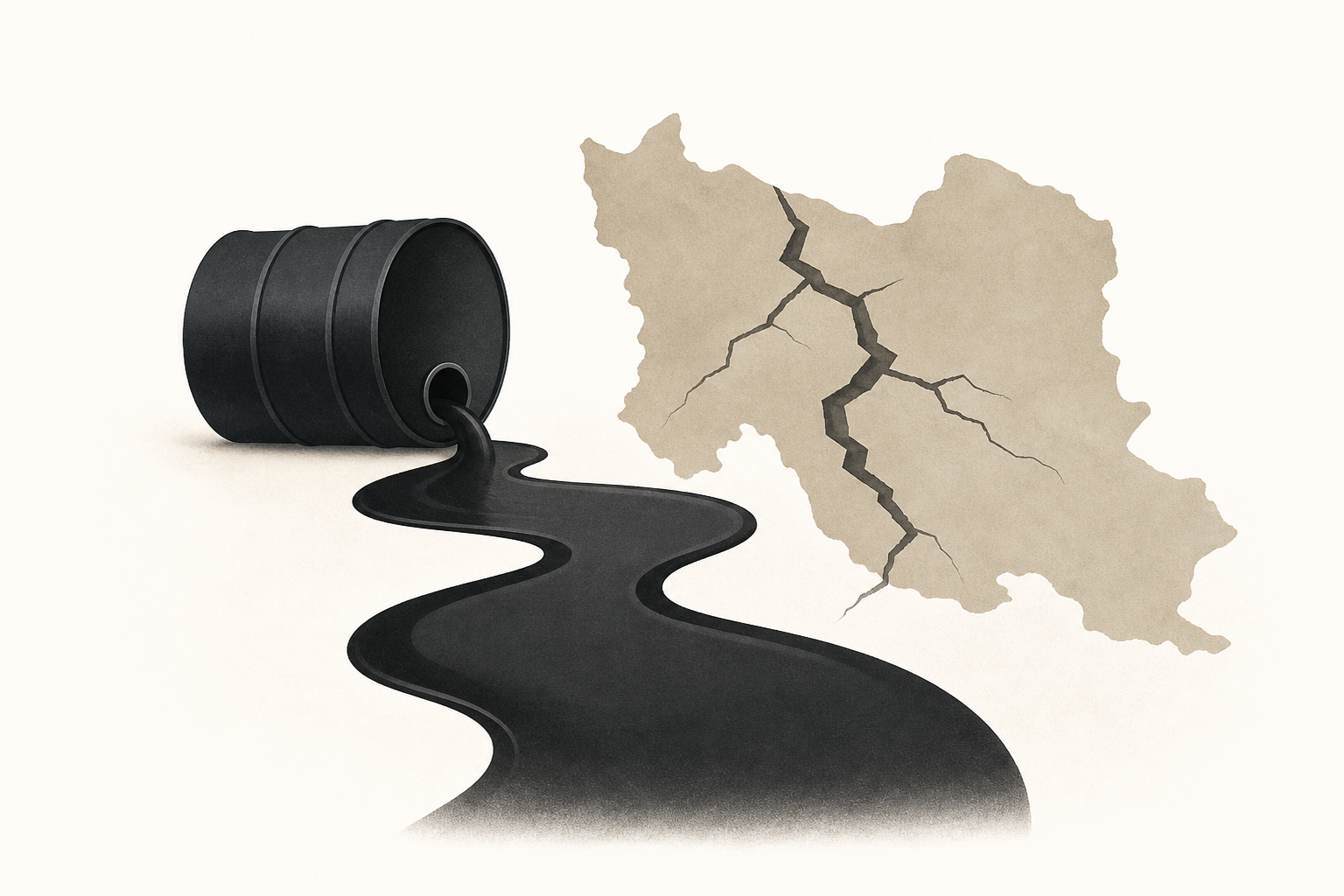
AI Generated Image
US-Iran deal may get oil flowing again, but region’s root problems are unsolved
The Guardian • • general
Key Points:
- The recent fragile US-Iran agreement has been met with cautious relief across the Middle East, but experts widely view it as a temporary measure unlikely to resolve deep-rooted regional conflicts or prevent future wars.
- The 60-day ceasefire focuses on addressing key issues like Iran’s nuclear program, sanctions, and frozen assets, but analysts doubt a final resolution will be achieved within this short timeframe.
- Past ceasefires, such as those in Gaza, have failed to address underlying problems, and similar concerns exist about the current deal’s ability to tackle Iran’s ballistic missile capabilities and support for militant groups in the region.
- Gulf states, heavily affected by Iranian drone strikes, feel uncertain about relying on US protection and anticipate efforts to contain a more assertive Iran, while Israel remains dissatisfied with the deal’s limited scope on security threats.
- Experts predict the agreement will temporarily ease tensions and restore oil flow through the Strait of Hormuz, but warn that Iran’s capacity to disrupt the region remains intact, signaling continued instability ahead.


