AI Generated Image
US nixes protections for imperiled species
AP News • • nation
Key Points:
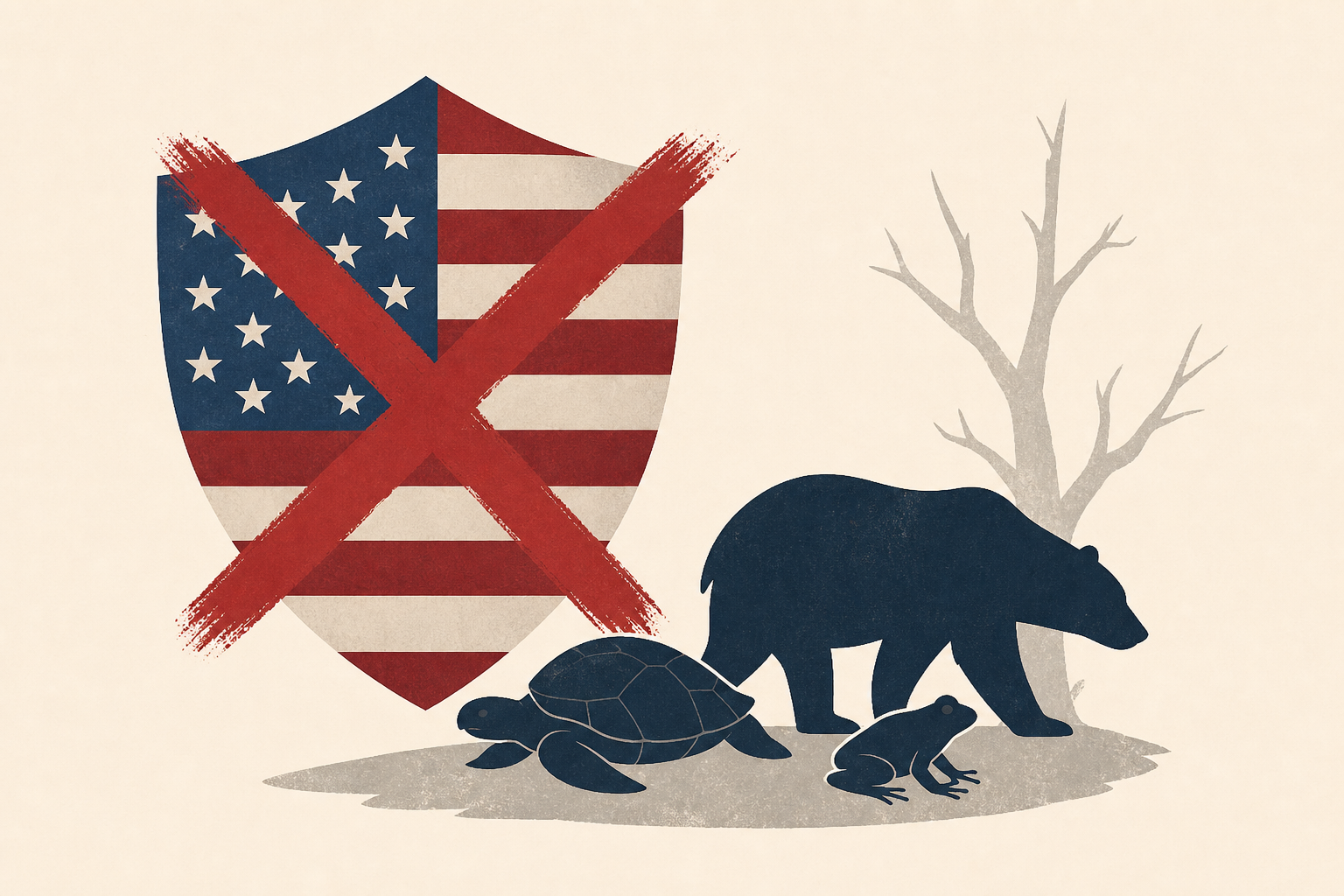
- The U.S. Interior Department, under the Trump administration, canceled a rule that provided automatic protections for threatened species, requiring instead case-by-case protection plans that could allow exemptions for industries like oil, gas, and mining.
- Critics argue this change makes it harder to protect vulnerable species such as monarch butterflies and alligator snapping turtles, while supporters claim it encourages conservation progress and reduces regulatory burdens on development projects.
- A second policy change mandates economic impact analyses when designating critical habitats, which opponents say may enable corporations to influence decisions to allow development in areas vital for species survival.
- These moves reverse Biden-era restorations of protections and reflect a broader pattern of the Trump administration weakening Endangered Species Act provisions, including exempting Gulf of Mexico drilling and narrowing definitions of harm to wildlife.
- The Endangered Species Act has historically helped recover species like the bald eagle and American alligator, but the current administration emphasizes delisting recovered species more rapidly to reduce restrictions on landowners and industries.


