AI Generated Image
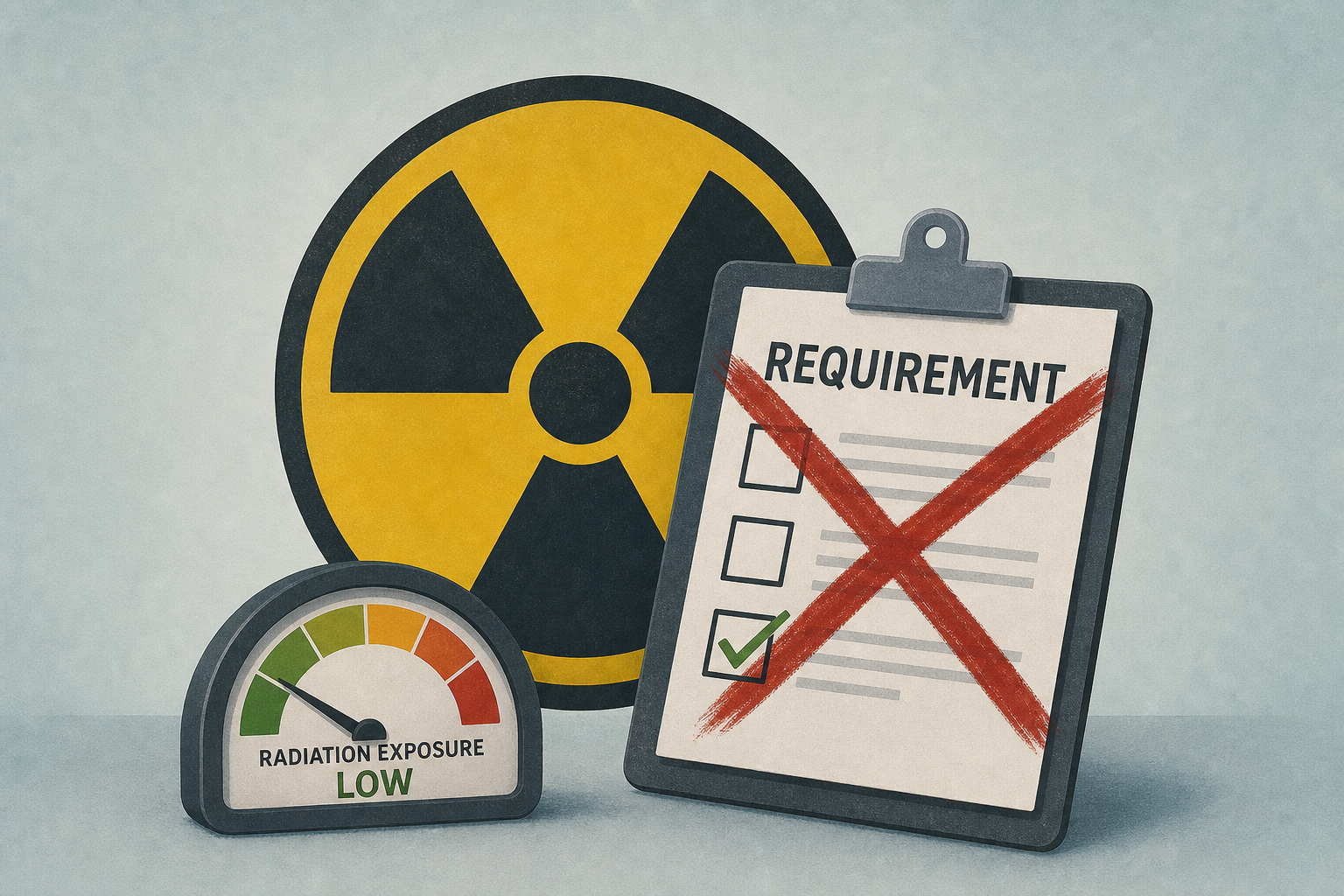
US nuclear regulators want to nix a requirement that keeps exposures to radiation low
AP News • • nation
Key Points:
- The Nuclear Regulatory Commission (NRC) proposes eliminating the ALARA (As Low As Reasonably Achievable) principle, a 50-year-old safety standard that minimizes radiation exposure, while maintaining current maximum radiation dose limits.
- The NRC plans to replace ALARA with a "graded approach" requiring varying levels of radiation protection based on potential exposure, aiming to clarify regulations and expedite new nuclear reactor development amid increased domestic nuclear energy goals.
- Critics, including safety experts and advocacy groups, warn that removing ALARA could lead to higher permissible radiation exposures in some cases, particularly with proposed increases in radionuclide emission limits from 10 to 25 millirem per year.
- Industry representatives and some consultants support the change, arguing it removes regulatory ambiguity and maintains incentives to keep radiation doses well below limits due to operational costs and safety concerns.
- Independent experts suggest the NRC should improve rather than eliminate ALARA to ensure public and worker safety, and caution that the U.S. may need to align occupational dose limits more closely with international standards if ALARA is discarded.


